
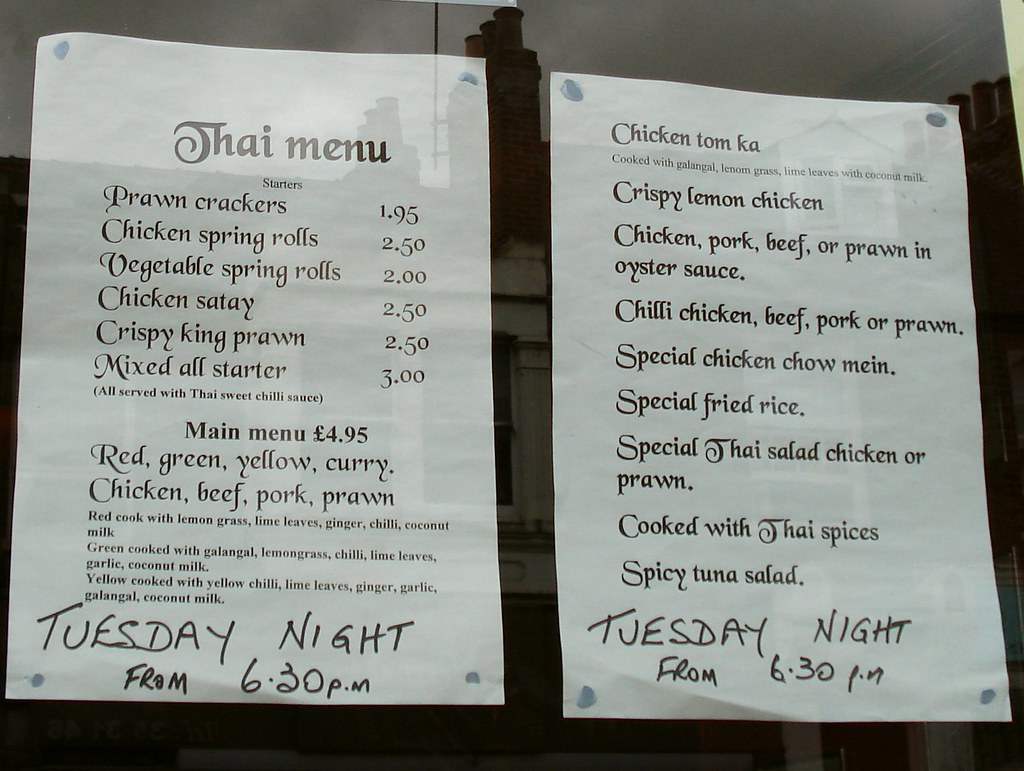
Creating a Thai menu for your restaurant that speaks directly to the appetites of your customers, while offering a journey into Thai culture, can seem daunting. However, by understanding the nuances of Thai cuisine and mindset of your target clientele – Thailand diaspora, expat Thai, and food enthusiasts – the task becomes simpler. This guide will explore the know-how and tips on creating an incredible menu that pays homage to authentic Thai gastronomy.
Start by recognizing the essence of Thai cuisine. Variety and balance are the cornerstones of Thai culinary art, known for its simultaneous blend of sour, sweet, salty, bitter, and spicy flavors. Keep this in mind when constructing your menu, ensuring it offers a broad selection of dishes covering meat, seafood, vegetables, and sauces embedding these five fundamental flavors.
Next, it’s crucial to cater to your expat Thai community. In addition to the classic Pad Thai or Gaeng Daeng (Red Curry), your menu should feature dishes that evoke homesickness. These can be regional dishes like Isaan’s Som Tam (Green Papaya Salad) or Southern Thailand’s Gaeng Tay Po (Water Spinach Stew). Local residents will appreciate these less common, unique dishes, which can become the distinguishers that set your restaurant apart from the rest.
Don’t overlook the importance of vegetarian options. In many Thai restaurants, a common pitfall is neglecting to provide a substantial vegetarian range. Offer a rich selection of dishes that are not just afterthoughts but use the full range of diverse Thai ingredients. Popular options include Pad Pak Ruam (Stir-fried Mixed Vegetables) and Tao Hoo Song Kreung (Mixed Tofu).
Furthermore, intriguingly designed menus are important for marketing your Thai restaurant. Menus should bring visuals of Thai culture to the table, giving the customer a sense of being transported to Thailand. Emphasize on warming earth tones like orange, teak brown, and green, which hint at the lush Thai landscapes and sunsets. Also, consider formatting your menu in Thai and English, adding a note of authenticity.
Pairing Thai food with drinks is another essential point. The spiciness of Thai food often demands a sweet, refreshing counterbalance. Traditional Thai Iced Tea (Cha Yen) is a must-have on the menu, paralleled by a collection of Thai-inspired cocktails and a diverse wine list to cater to all palates.
Lastly, don’t forget the ultimate sweet finish. From Mango Sticky Rice to Coconut Ice Cream, Thai dishes satisfy every sweet tooth. Promote these desserts not just as a meal finisher, but also as a snack, appealing to those craving for a midday treat.
Remember, your Thai restaurant’s menu is not just a list of dishes; it’s a powerful marketing tool that showcases your culinary services. When curated thoughtfully in alignment with the Thai diaspora, expat Thai, and food enthusiasts, your restaurant can become a haven of Thai delicacies, celebrating the unique culture of Thailand.


0 Comments