Juggling two cultures, celebrating customs from two homelands, and dealing with the complexities of dual identity: it’s all in day’s work for Thai diasporas. From the lush landscapes of Thailand to bustling arenas of Western homelands, the journey of Thai emigrants has been both challenging and inspiring. Whether these global nomads have moved for education, employment, or love, they bring a fascinating mosaic of cultures, a fusion of East and West, creating a unique phenomenon we’ll call Binationhood.
Google any thriving western city, and chances are you’ll find a thriving Thai community. The aroma of mouthwatering Thai dishes, the enchanting rhythm of traditional Thai music, and the vibrant tapestry of Thai culture are increasingly becoming part and parcel of the western landscape. From Seattle to Sydney, Thai expatriates are weaving the riches of their heritage into their adopted societies, making the ordinary lives of Thai diasporas anything but ordinary.
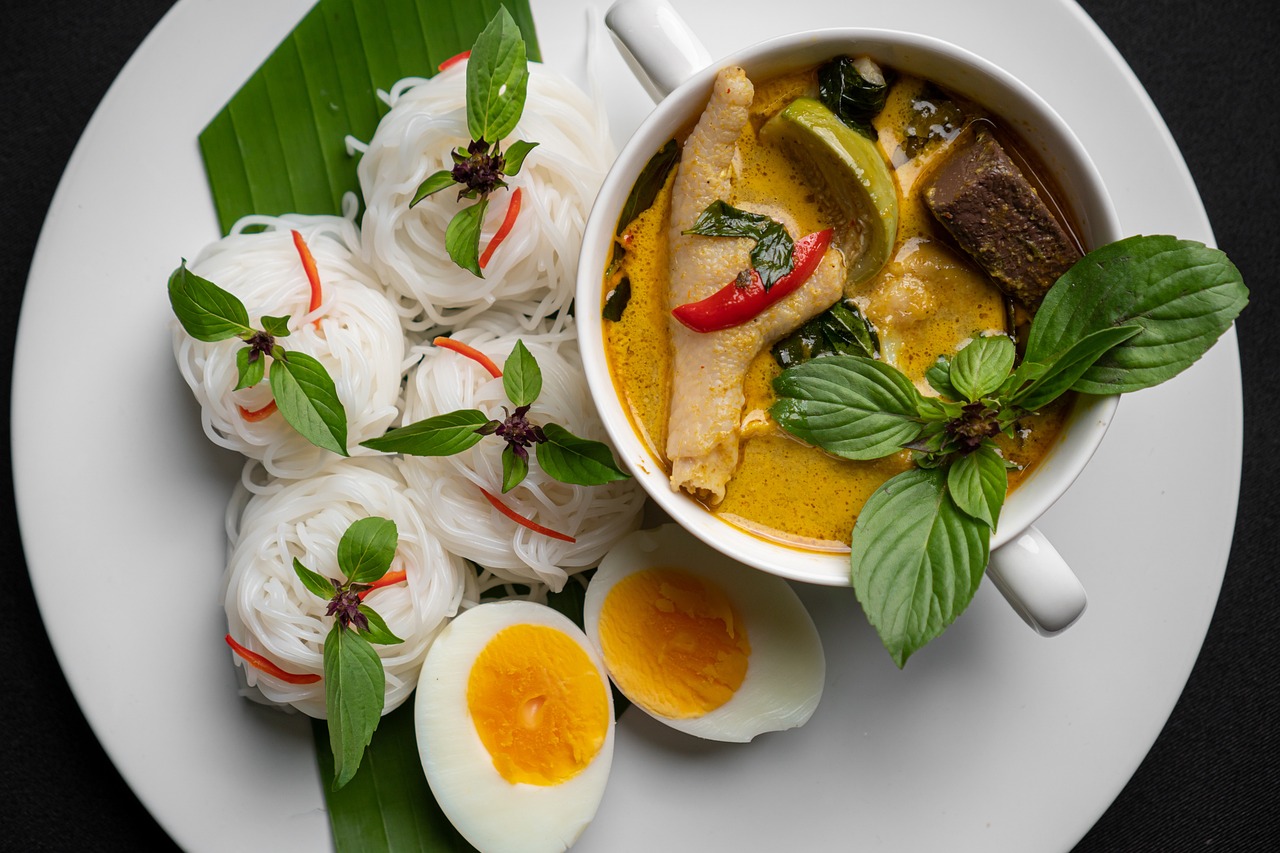
A big component of Binationhood is, of course, food. Thai cuisine, known globally for its bold and aromatic dishes, has become a vital link to the homeland for Thai expats. Clustered around Thai restaurants, these expat communities don’t just find solace in their cherished Pad Thai or Tom Yum Gung. These gastronomic havens have transformed into their socio-cultural hubs, a magnet around which the diasporas orbit. Beyond offering familiar, comfort food, these establishments serve as places of congregation, reunion, and celebration.
Stepping into the marketing shoes of these Thai restaurants, one appreciates the genius behind their success. It isn’t just about marketing ethnic food. It’s about marketing a piece of Thailand and making it resonate with diverse demographics. Thai restaurants do not just cater to Thai diasporas looking for a taste of home. They also attract global foodies curious about the exotic flavours, adventurous eaters seeking to satiate their spice lust, and even locals looking to try something different.
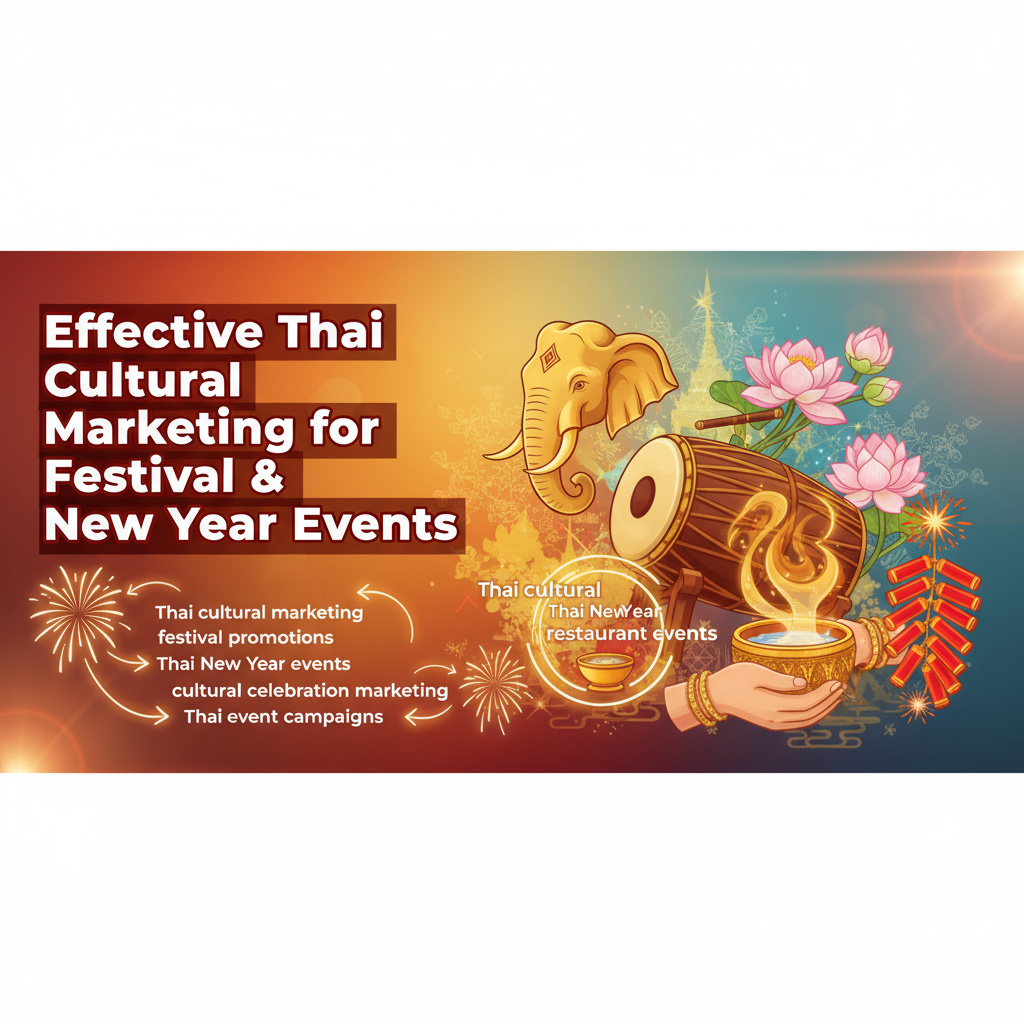
While food continues to be a significant aspect of Thai Binationhood, other facets of Thai culture also contribute to the dynamism of Thai diasporas. Thai communities often organize Thai festivals, cultural performances and celebrations, allowing the diasporas to remain connected with their home culture and share it with their adopted communities. From Songkran, the water festival welcoming the Thai New Year, to Loy Krathong, the festival of lights, diasporas seize every opportunity to add a Thai touch to their Western lives.
In conclusion, the ordinary lives of Thai diasporas tell a story of resilience and adaptation, of holding onto one’s roots while embracing new cultures. It’s a tale of balancing two different worlds while savoring the best of both. Thai diasporas, in their own, nondescript ways, are changing the sociocultural landscape of their adopted countries.
Over the years, the Thai diaspora community has continually grown and evolved. But at the core of it all, the spirit of Binationhood remains boldly unchanged – proudly Thai, dynamic, and adaptable, infusing the world with the rich essence of Thailand’s vibrant culture.

0 Comments