
From the bustling night markets of Bangkok to the tranquil beaches of Phuket, Thai cuisine is a remarkable fusion of vibrant flavors and unique ingredients that has captured the hearts and taste buds of food enthusiasts around the globe. Yet, despite its popularity, there exists a vast array of lesser-known dishes and regional specialties that are waiting to be discovered and appreciated. As the global diaspora of Thai people continues to grow, there’s an exciting opportunity to celebrate and share the full richness of Thai cuisine internationally.
Thai food is universally adored for its exquisite balance of sweet, sour, salty, and spicy flavors. Classic dishes like Pad Thai, Green Curry, and Tom Yum soup have become staples in restaurants worldwide. However, many expat Thai communities are working diligently to introduce international audiences to a more diverse spectrum of Thai culinary offerings. By doing so, they are not only broadening people’s palates but also preserving and promoting Thai cultural heritage.
One of the fundamental steps in promoting Thai cuisine abroad is education. Informative campaigns aimed at demystifying Thai ingredients and cooking methods can play a significant role in helping international audiences appreciate the nuances of Thai cooking. For instance, explaining the significance of herbs like lemongrass or galangal in Thai food can lead to a deeper understanding and appreciation for these flavors. Thai cooking classes and workshops hosted by local Thai communities can also serve as interactive and engaging ways for people to immerse themselves in the culinary arts of Thailand.
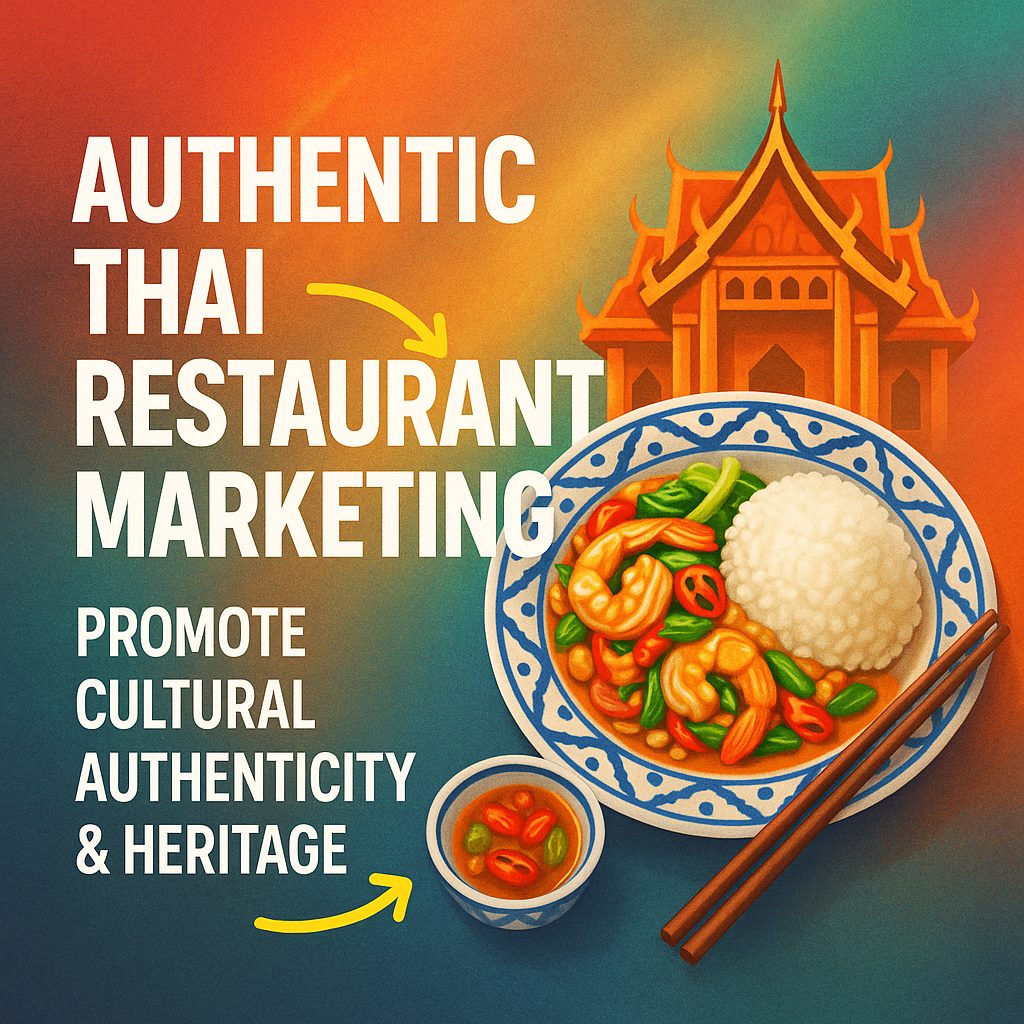
Marketing for Thai restaurants should emphasize authenticity while also embracing creativity. With the help of the Thai diaspora, restaurateurs can craft menus that not only highlight beloved classics but also introduce diners to lesser-known delicacies from various Thai regions. For instance, Northern Thai specialties such as Khao Soi, a coconut curry noodle soup, or Sai Oua, a spicy Northern sausage, can offer diners new and exciting flavor profiles.
Digital marketing and social media offer powerful platforms for bringing attention to the richness of Thai cuisine. By sharing stories about the origins of recipes, their cultural significance, and even the journey of Thai ingredients from farm to table, restaurants can engage their audience on a deeper level. Collaborations with food bloggers, influencers, and content creators from the Thailand diaspora can enhance these efforts, providing authentic voices that resonate with both expat Thai communities and new audiences.
Pop-up events and Thai food festivals can serve as live showcases for the extraordinary expanse of Thai gastronomy. These events provide a vibrant, multisensory experience that not only highlights food but also emphasizes the cultural stories behind each dish. For Thai expatriates, these events can evoke a profound sense of nostalgia and pride in their culinary heritage, reinforcing their connection to their homeland while sharing it with the world.
In conclusion, pioneering palates through the promotion and celebration of Thai food richness is a multi-faceted endeavor that benefits both expat Thai communities and international audiences. By focusing on education, authenticity, and creative marketing initiatives, we can ensure that Thai cuisine continues to thrive and inspire food lovers worldwide. As we savor each bite, we come to appreciate not just the taste, but the cultural tapestry it represents, bridging continents and hearts with every delicious mouthful.

0 Comments