
Bringing the vibrant and tantalizing flavors of Thailand into your home kitchen can be a deeply rewarding culinary adventure. Whether you’re an expatriate seeking a taste of home or a food enthusiast yearning to experience the World Heritage-level cuisine, crafting homely Thai dishes doesn’t need to be daunting. Let’s explore how you can seamlessly infuse authentic Thai gastronomy into your cooking routine.
**Understanding Thai Ingredients**
The cornerstone of Thai cuisine is its ingredients. Key staples include fish sauce, shrimp paste, Thai basil, kaffir lime leaves, and lemongrass. These ingredients can sometimes be elusive outside Thailand, but Asian markets often stock them. When those options are scarce, online specialty stores can be invaluable.
A deep understanding of each ingredient will effectively replicate its distinct flavors. For example, if Thai basil is unavailable, you might substitute it with a combination of Italian basil and a pinch of anise for a similar aroma. Such swaps can help maintain authenticity while accommodating local availability.
**Basic Kitchen Necessities for Thai Cooking**
To authentically recreate Thai dishes, certain kitchen tools are beneficial, such as a mortar and pestle for grinding spices and herbs, a wok for frying and tossing, and a rice cooker for steaming jasmine rice to perfection. These tools are integral to achieving the genuine texture and flavor profiles found in Thai cuisine.
**Mastering Signature Thai Dishes**
The essence of Thai home cooking is balance. Dishes like Tom Yum Goong (spicy shrimp soup) and Pad Thai encompass sweet, sour, salty, and spicy notes. Start your journey by perfecting these classics. They are not only beloved but are also foundational in understanding Thai cooking principles.
Here’s a simple recipe to try:
**Green Thai Curry (Gaeng Keow Wan)**
Ingredients:
– 400 ml coconut milk
– 2 tbsp green curry paste
– 200g chicken breast, sliced
– 1 cup eggplants, cubed
– 1 tbsp fish sauce
– A handful of Thai basil
– Kaffir lime leaves
Instructions:
1. Heat 1/3 of the coconut milk in a wok over medium heat; simmer until oil surfaces.
2. Stir in the curry paste, add chicken, and cook until it’s halfway done.
3. Pour in the rest of the coconut milk, add eggplants, and simmer until tender.
4. Add fish sauce, lime leaves, and basil. Adjust flavors to your taste.
5. Serve with fragrant jasmine rice.
**Cultivating the Thai Experience Abroad**
For expatriates and the Thai diaspora, integrating traditional routines, such as group cooking or shared meals, can enrich the experience of Thai food abroad. Hosting a Thai dinner party or taking part in cultural festivals can fortify community connections and preserve cultural roots.
**Marketing Ideas for Thai Restaurants in Foreign Lands**
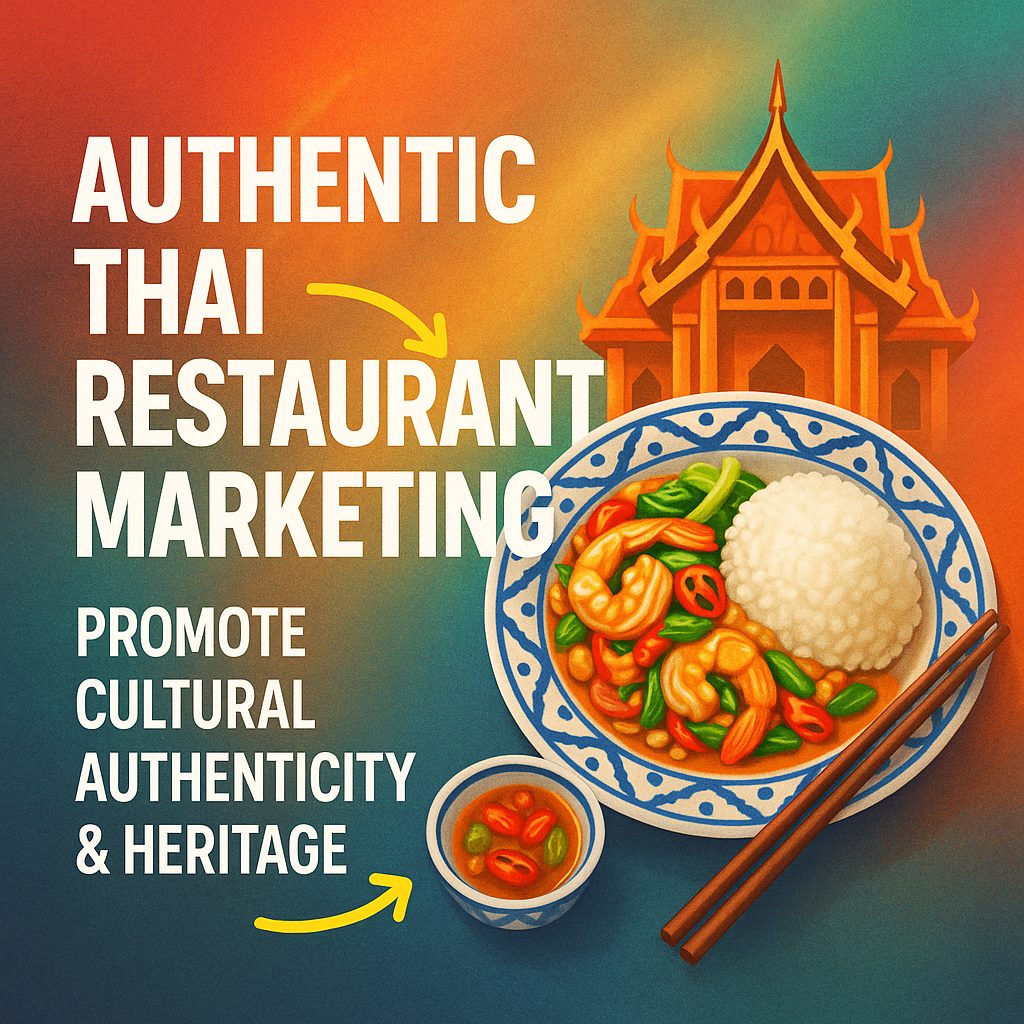
Thai restaurants amidst foreign cultures possess a unique opportunity to offer a homely, authentic Thai experience. To stand out in the market:
– Embrace storytelling in marketing material to convey the cultural importance of dishes.
– Offer cooking classes or tasting sessions to engage with locals and attract Thai food enthusiasts.
– Use local ingredients creatively in traditional recipes to promote sustainability without sacrificing authenticity.
Additionally, many expatriate communities seek familiar comforts. By aligning your restaurant with expatriate forums or cultural organizations, you’ll draw Thai food aficionados looking for a taste of home. Word-of-mouth, propelled by satisfied taste buds and authentic flavors, can be a potent marketing tool in foreign territories.
**Final Thoughts**
Whether you’re rekindling memories of Thailand or discovering this beautiful cuisine for the first time, bringing these flavors home is more achievable than you’d imagine. Explore local markets, invest in a few critical kitchen tools, and most importantly, embrace the adventure of recreating and sharing the taste of Thailand.

0 Comments