
Bringing the flavorful authenticity of Thai cuisine to the global stage is an art, especially when catering to the Thai diaspora and expats, as well as introducing new palates to traditional tastes. Marketing a Thai restaurant overseas requires a nuanced understanding of both cultural nuances and modern marketing techniques. Here, we unveil the secrets to creating successful marketing strategies tailored for Thai restaurants abroad.
# Understanding Your Audience
The first step in building a successful marketing strategy is understanding your audience. Thai restaurants overseas often serve diverse clientele, including the local population, tourists, the Thai diaspora, and expats. Understanding their unique preferences will help tailor your marketing efforts effectively. For instance, the Thai diaspora may seek nostalgia through authentic flavors, whereas local customers might be more adventurous, looking to explore signature Thai dishes.
# Authenticity is Key
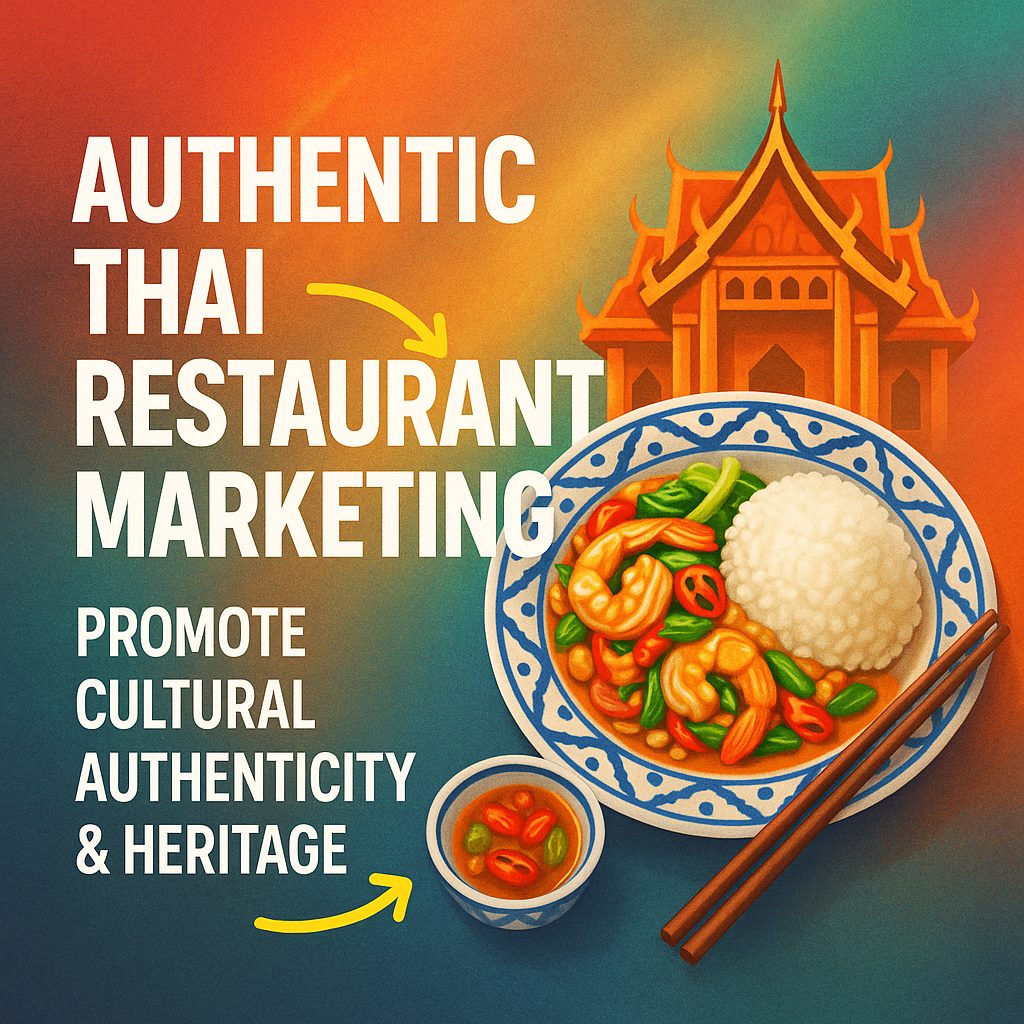
Authenticity should be at the core of your marketing message. Highlight genuine Thai ingredients, traditional recipes, and cooking techniques. Consider offering cooking classes or demonstrations featuring native Thai chefs to boost authenticity and attract diners keen on learning about Thai culture. Storytelling can also play a significant role—share the origins of your recipes or the journey of your chefs from Thailand to your restaurant. This builds a narrative that not only resonates with the Thai diaspora but also piques the curiosity of new customers.
# Leverage Local Influencers and Networks
Partner with influencers who are either part of the Thai community or those who have a passion for Thai cuisine. Influencers can provide your restaurant with access to local and expat communities, giving you the visibility needed to thrive. Additionally, joining local business networks and participating in community events can help spread the word about your restaurant and build goodwill among potential customers.
# Create a Community Hub
Position your restaurant as a center for cultural exchange by hosting Thai-themed events, festivals, or cultural days. These events can engage both the Thai diaspora and locals, making your restaurant a known entity in the community. Celebrations during Thai festivals such as Songkran or Loy Krathong can attract enthusiasts of Thai culture and create an authentic experience for all attendees.
# Online Presence and Local SEO
Enhance your online presence with a robust, multilingual website and active social media accounts. Prioritize SEO strategies with targeted, low-competition keywords to capture online searches related to Thai restaurants in your area. Consider incorporating Google My Business to improve visibility and customer engagement through reviews and photos. Use tools like Facebook and Instagram to share vibrant images and videos of your dishes, staff, and events, captivating audiences from all walks of life.
# Menu Customization and Taste Testing
While authenticity is important, flexibility can ensure success in new markets. Conduct taste tests to gather feedback from different demographics and make adjustments where necessary. Introducing fusion dishes without compromising on quality can cater to local tastes, making your offerings more approachable.
# Loyalty Programs and Customer Engagement
Implement loyalty programs to encourage repeat visits, particularly among local customers and expats who might frequent your restaurant. Offering discounts, exclusive deals, or membership perks not only helps in retaining customers but also in converting occasional diners into regular patrons.
# Sustainability and Corporate Responsibility
Emphasize sustainable practices in your business operations. Highlighting efforts to source food responsibly, reduce waste, or participate in community clean-ups can endear your restaurant to environmentally-conscious consumers. Aligning your brand with sustainable practices not only attracts a selective audience but also enhances your restaurant’s reputation.
Incorporate these strategies to build a resonating brand that not only celebrates Thai cuisine but also thrives in the competitive landscape of international dining scenes. By understanding your audience and employing a mix of traditional and modern marketing approaches, your Thai restaurant can become a culinary landmark admired both by the local community and the global Thai diaspora.
0 Comments