In the bustling tapestry of international culinary spaces, the flavors of Thai cuisine often emerge as vibrant gems that captivate and intrigue palates worldwide. Yet, beyond the aromatic allure and complex balance of flavors that characterize Thai dishes, lies a rich culture waiting to be embraced and amplified by restaurateurs eager to offer authenticity amidst globalization. For Thai expatriates and restaurateurs operating abroad, particularly in markets less saturated with Thai dining options, capitalizing on this uniqueness can create not just a thriving business, but also a bridge between cultures.
To begin with, understanding the essence of Thailand’s diverse regional cuisines can serve as the foundation upon which a restaurant’s menu is built. From the fiery curries of the south to the herbaceous fare from the north, embracing this diversity offers patrons an in-depth taste of Thailand’s culinary landscape. Implementing traditional cooking techniques and ingredients isn’t just a nod to authenticity, but a lesson in culture and history that can be seamlessly interwoven into the dining experience.
For Thai restaurateurs and members of the Thai diaspora, marketing represents a crucial step in amplifying Thai culture. In particular, the concept of storytelling, both in a culinary and cultural context, is a powerful tool. Sharing anecdotes and narratives about the origin of dishes, the significance of ingredients, or the festive nature of dining customs allows for a deeper, more engaging connection with customers. This can be implemented through interactive dining experiences, themed events celebrating Thai festivals, or simply through vibrant, informative menu descriptions.
Furthermore, social media platforms stand as formidable allies in this endeavor. With visually striking dishes that encapsulate the vibrancy of Thai cuisine, platforms like Instagram or Facebook offer perfect stages to showcase offerings while engaging with a wider audience. By consistently posting captivating images, behind-the-scenes content, or short educational clips about Thai dining etiquette, restaurant owners can spark curiosity and draw in patrons who seek authenticity.
Another aspect worth considering is community involvement and collaboration. Connecting with local Thai communities can not only enhance the support system for Thai expatriates but also introduce the restaurant to people who are already familiar with the nuances and joys of Thai cuisine. Collaborating with Thai cultural associations for events or participating in local food festivals can expand the restaurant’s visibility and establish it as a cultural touchstone for both Thai nationals and locals alike.
The strategic use of keywords and search engine optimized content is another efficient method for Thai restaurant owners to employ in their online marketing efforts. Incorporating low-competition keywords related to Thailand’s diaspora, Thai cuisine, and more can boost an online presence, attracting a dedicated audience curious about both authentic Thai food and culture.
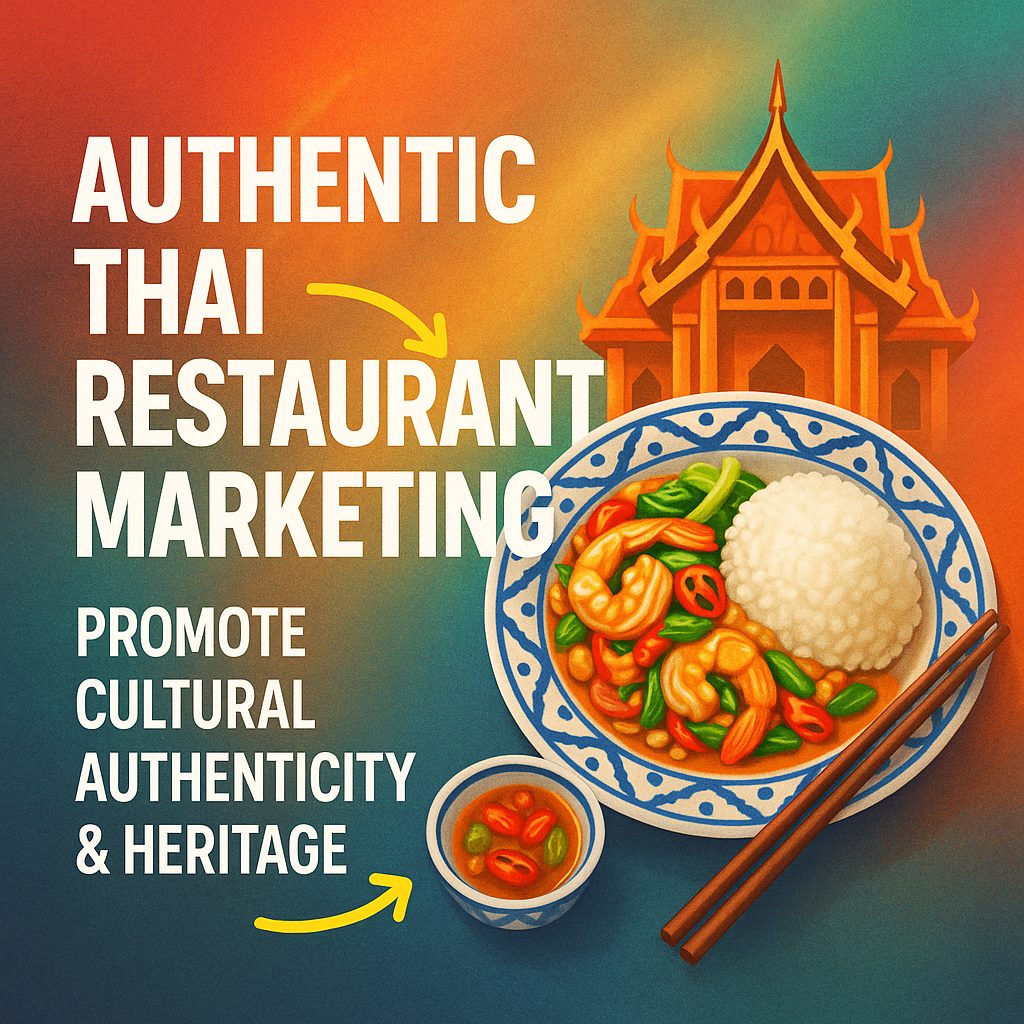
As the international culinary space continues to evolve, the opportunity for Thai restaurateurs to carve out a niche by embracing cultural authenticity is immense. Through a thoughtful blend of traditional culinary practices, intricate storytelling, strategic marketing, and community involvement, the rich tapestry of Thai culture can be effectively amplified. Not only will this approach delight diners, but it will also serve to educate and bridge cultural divides, one flavorful dish at a time.

0 Comments