
In the bustling kitchens of world-renowned restaurants, where culinary precision meets creative artistry, a group of chefs is quietly yet potently making their mark. These are not just chefs; they are cultural ambassadors bringing the rich and diverse flavors of Thailand to the global stage. This article delves into the inspiring journeys of Thai immigrant chefs and how they have transformed high-end gastronomy with the authenticity and allure of Thai cuisine.
The journey of a Thai chef often begins long before their first international gig. Many of these culinary artisans learn the foundations of their craft in the bustling street markets of Bangkok or the quieter provinces, where the aroma of lemongrass and galangal is as familiar as the morning air. This deeply ingrained knowledge of traditional flavors and techniques becomes the bedrock on which they build once they step into the cosmopolitan culinary scene.
When Thai immigrant chefs arrive at prestigious international kitchens, they don’t just bring their skills—they carry their culture, their stories, and their determination. These chefs embrace the challenge of presenting dishes that not only appeal to global palates but also honor the authenticity of Thai cuisine. They navigate the delicate balance between staying true to traditional ingredients and adapting to locally available produce. For instance, a signature green curry may see a subtle tweak—using a slightly different eggplant or a variation of fresh herbs—yet it remains rooted in the essence of its Thai origins.
For these chefs, the stakes are high. They not only compete in the highly demanding world of international gastronomy but also act as representatives of Thai culture. Each dish served is an opportunity to educate and entice diners, inviting them to experience Thailand through taste. This food journey often sparks a fascination with the country’s culture, landscape, and history, contributing to cultural tourism—a valuable form of soft power that benefits Thailand economically and culturally.
A key part of their success in international kitchens is their ability to blend traditional Thai culinary principles with modern gastronomic techniques. Thai chefs leverage the universal appeal of Thai flavors—spicy, sour, sweet, and salty—and apply them innovatively. By doing so, they craft unique culinary experiences that can set a restaurant apart. The successful integration of these flavors has even inspired non-Thai chefs and restaurants, driving the evolution of Thai-inspired dishes globally.
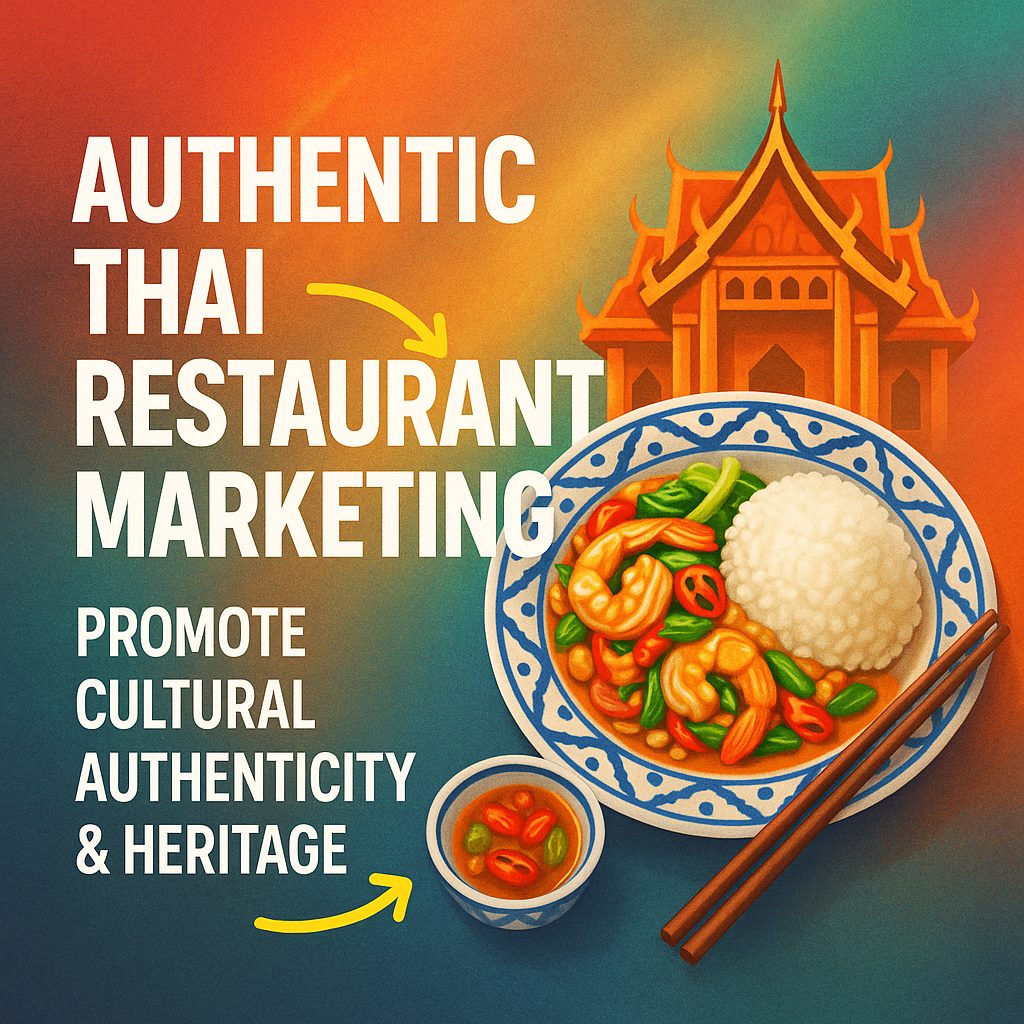
Interestingly, marketing plays a crucial role in highlighting the stories behind these talented chefs and their culinary creations. Restaurants that pay homage to their chefs’ Thai heritage not only attract diners interested in an authentic experience but also tap into the expat Thai community who seek a taste of home. Savvy marketing strategies include storytelling, where the chef’s personal journey is just as compelling as the menu, and engaging diners with thematic events focused on Thai festivals or specialties.
Moreover, the growing interest in sustainability and farm-to-table practices aligns seamlessly with traditional Thai cooking’s fundamental principles, which emphasize freshness and seasonality. This alignment has only widened the appeal of Thai cuisine, positioning these chefs as leaders in sustainable culinary practices.
The influence of Thai immigrant chefs reaches beyond the confines of the kitchen. By succeeding in their culinary endeavors, these chefs become bridges between cultures, fostering greater understanding and appreciation for the Thai diaspora. Their work sparks dialogue about cultural identity, the immigrant experience, and how cuisine continues to evolve without losing its roots.
In conclusion, the story of Thai immigrant chefs in world-renowned restaurants is one of innovation, resilience, and cultural celebration. Their ability to craft tradition through inventive yet authentic cuisine exemplifies the profound impact of Thailand’s culinary heritage on the global stage. As these chefs continue to rise, so too does the recognition and appreciation of Thai cuisine worldwide, cementing its place in the cultural and gastronomic fabric of international food culture.

0 Comments