Living overseas can sometimes feel like walking a tightrope between embracing new cultures and maintaining one’s own traditions. For many Thai expats, the experience is no different. The delicate balance of preserving cultural identity abroad necessitates keen strategies, especially in the diverse realms of cuisine and community building. In finding home abroad, many Thai communities have taken remarkable steps to re-establish their cultural roots and share their rich heritage with others.
# Thai Diaspora: A Tapestry of Culture Across Borders
For the Thai diaspora, re-establishing cultural roots begins with community. From New York to Melbourne, Thai communities abroad have blossomed through cultural associations and social clubs, which often serve as vital hubs for networking and fostering a sense of belonging. These organizations frequently host cultural events, language courses, and traditional festivals such as Songkran and Loy Krathong. These gatherings not only rekindle memories of home but also invite others to experience Thailand’s rich traditions firsthand.
Moreover, expatriate media has become a powerful tool for cultural preservation. Thai-language newspapers, radio stations, and online platforms provide expatriates with news from their homeland and serve as a bridge across the miles. They help keep the diaspora informed and connected, encouraging a shared identity despite geographical distances.
# Thai Cuisine as a Cultural Ambassador
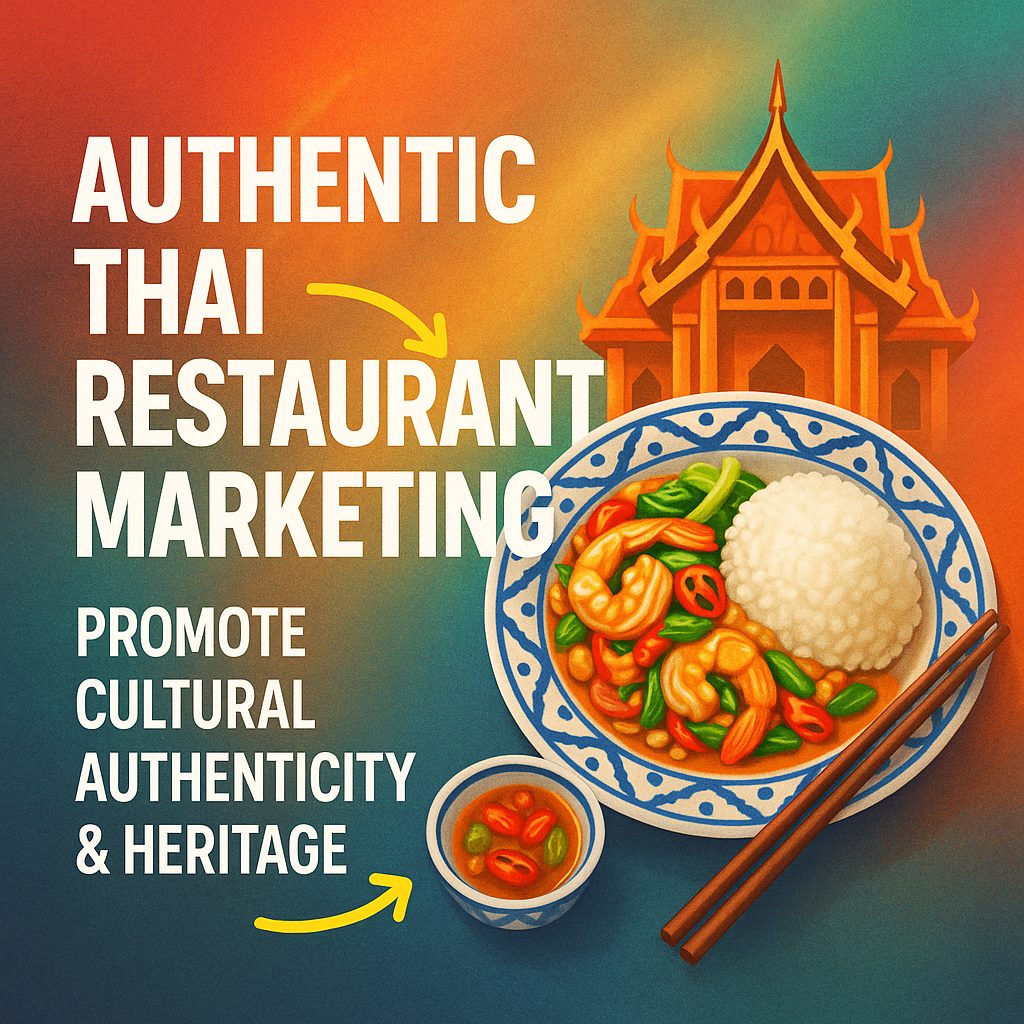
Thai cuisine is perhaps the most prominent cultural export, often serving as the first point of contact with Thai culture for many around the world. Thai restaurants have sprouted in major cities globally, ranging from small family-owned eateries to hip, modern bistros. For many Thai expats, these culinary establishments represent more than just business ventures; they’re havens of cultural preservation and innovation.
Successful marketing for Thai restaurants often combines authenticity with adaptation. While traditional dishes like Pad Thai, Green Curry, and Tom Yum are staples, contemporary Thai chefs are increasingly experimenting with fusion cuisines, integrating local ingredients while preserving authentic Thai flavors. To stand out, many restaurants highlight unique regional dishes, less known internationally, offering patrons a taste of Thailand’s culinary diversity.
Social media and online review platforms play crucial roles in spreading the word. Personal stories about each dish, behind-the-scenes glimpses into kitchen life, and interactive cooking classes are effective strategies. These efforts not only advertise the culinary offerings but also narrate the broader story of Thai culture and its nuances.
# Celebrating Thai Heritage Through Arts and Crafts
Beyond cuisine, Thai arts and crafts serve as another medium through which cultural roots are nurtured and shared. Thai temples, with their intricate architecture and spiritual significance, often organize traditional arts and crafts workshops. From intricate wood carving to silk weaving, these crafts reflect centuries-old traditions that are cherished by Thai expatriates and admired by others.
Moreover, art exhibitions showcasing Thai contemporary artists and traditional performers help to spread awareness and appreciation for Thai culture. These events often create dialogues between various cultures and inspire a deeper understanding of Thailand’s artistic landscape.
# Creating Cultural Bridges
While re-establishing cultural roots abroad can be challenging, it is also an opportunity to form deep cultural bridges. By embracing and sharing Thai traditions, whether through food, festivals, or the arts, Thai communities abroad not only maintain their cultural identity but also enrich the cultural tapestries of their host countries.
Ultimately, finding home abroad is about community, creativity, and connection. Thai expats, by cherishing their heritage and reaching out with hospitality and openness, create vibrant nodes of cultural exchange that benefit both themselves and the broader society.

0 Comments