
For food enthusiasts around the world, the allure of Thai cuisine is both irresistible and compelling. Its unique blend of vibrant colors, aromatic spices, and contrasting flavors creates a culinary experience that tantalizes the senses. As Thai dishes gain popularity globally, understanding the regional specialties is crucial for an authentic dive into the wonder that is Thai gastronomy.
One of the most exciting aspects of Thai cuisine is its diversity, rooted deeply in the regional preferences across the country’s landscape. From the bold and spicy dishes of the North to the sweet and sour delights of the Central plains, each region contributes its unique touch to the tapestry of flavors.
The North, home to the charming city of Chiang Mai, offers dishes like “khao soi,” a rich coconut curry noodle soup with a medley of spices that reflect Burmese and Chinese influences. This dish, with its soothing coconut base and crispy fried noodles, is a must-try, particularly suited for those chilly nights. Northern Thai cuisine typically features grilled or steamed meats, with an emphasis on sticky rice which is served as a staple at every meal.
Traveling southward, you’ll encounter the Northeast, known as Isan, where the dishes are surprisingly different. Here, food is often much spicier, showcasing the locals’ love for robust and tangy flavors. Popular dishes include “som tam,” a fiery papaya salad with a pungent fish sauce dressing, and “larb,” a spicy meat salad that will leave a lasting impression with its intricate spice profile.
Central Thai cuisine is perhaps the most globally recognized, offering familiar dishes like “pad thai” and the royal-inspired “tom yum goong,” a spicy shrimp soup that balances heat with a fragrant blend of lemongrass and kaffir lime leaves. These dishes highlight the region’s knack for achieving perfect harmony between sweet, sour, and spicy elements.
The Southern region introduces dishes with pronounced coconut milk and turmeric use, contributing to their creamy texture and vibrant color. Here, seafood takes center stage with dishes like “gaeng som,” a sour curry known for its potent tamarind base, giving it a tangy twang. Other southern curries are richer and spicier, often utilizing fresh coconut cream.
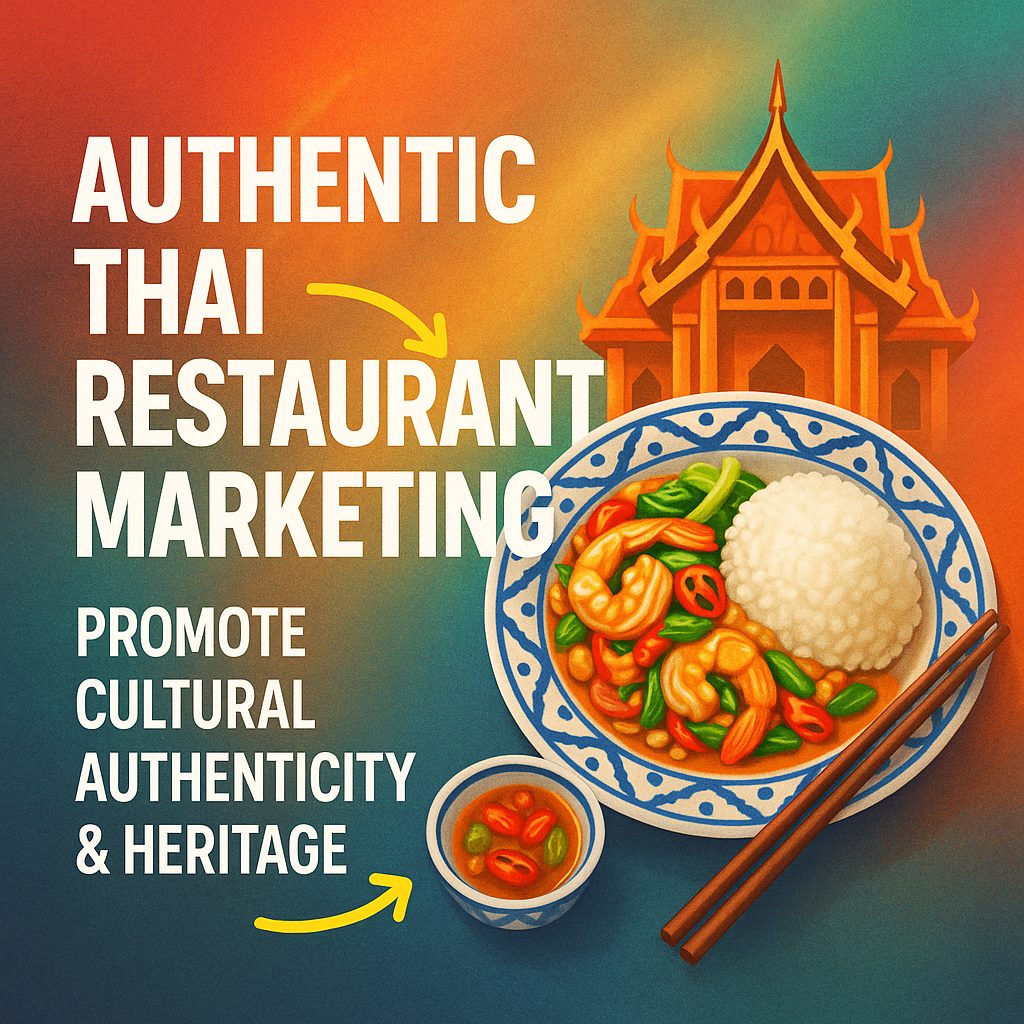
For members of the Thai diaspora and expats residing around the world, sharing these regional specialties is a way to remain connected to their roots while also introducing an authentic taste of Thailand to their new communities. Restaurants owned by Thai expatriates can leverage these unique regional offerings as part of their marketing strategy, positioning their establishments as authentic cultural experiences rather than just another Asian eatery. By emphasizing the heritage and distinct flavors of each dish, they can create a unique dining allure that captivates customers seeking genuine Thai flavors.
Marketing for Thai restaurants, especially in areas with less exposure to authentic Thai cuisine, can benefit immensely from storytelling. Highlighting the history and regional significance of particular dishes not only educates but also entices diners who are interested in expanding their culinary horizons.
Moreover, collaborations with local businesses and participation in food festivals can create an opportunity for Thai restaurants to showcase the authenticity of their offerings. Providing cooking classes for popular regional dishes can also foster community engagement and enthusiasm for Thai cuisine.
In embracing and promoting regional specialties, Thai restaurants around the world can significantly enhance the global appreciation for Thai cuisine, turning intrigued diners into lifelong enthusiasts of authentic Thai flavors.

0 Comments