
Exploring the Origins and Global Influence of Thai Cuisine
Thai cuisine, with its invigorating aromas and vibrant flavors, has captured the interest and appetite of food enthusiasts worldwide. Its roots are deeply entrenched in the rich history and diverse cultural tapestry of Southeast Asia. Understanding Thai cuisine’s origins and its subsequent global influence provides valuable insights, especially for those involved with the Thailand diaspora, expat Thai communities, and marketing strategies for Thai restaurants seeking to expand their reach.
# The Origins of Thai Cuisine
The origins of Thai cuisine are a fascinating amalgamation of historical influences and indigenous practices. At its core, Thai food is a reflection of the country’s geography and the various cultural exchanges it has experienced over centuries. From Chinese stir-frying and Indian curry spices to the aromatic herbs and indigenous ingredients like lemongrass and kaffir lime, Thai cuisine represents a harmonious blend of bold flavors and aromatic complexity.
Historically, the ancient Thai people were greatly influenced by their neighboring regions, borrowing culinary techniques and ingredients from India, China, and Malaysia. The introduction of chili, a now quintessential element of Thai cooking, was brought by Portuguese traders in the 16th century. These influences were not merely absorbed but rather adapted and transformed to create a distinctive culinary identity that maximizes the balance of spicy, sweet, salty, and sour flavors.
Rice, a staple in Thai dining, signifies the agrarian lifestyle of Thailand and is a clear indicator of the country’s abundant rice paddies. Whether it’s Jasmine rice served alongside spicy dishes or sticky rice paired with grilled meats, rice underscores the central role of agriculture in Thai culinary practices.
# The Global Influence of Thai Cuisine
As Thai people began migrating across the globe in greater numbers, they brought their culinary traditions with them. This exodus saw the establishment of Thai expat communities worldwide, from North America to Europe and Australia. Each of these communities contributed to the global diffusion of Thai gastronomy, making dishes like Pad Thai and Green Curry household names internationally.
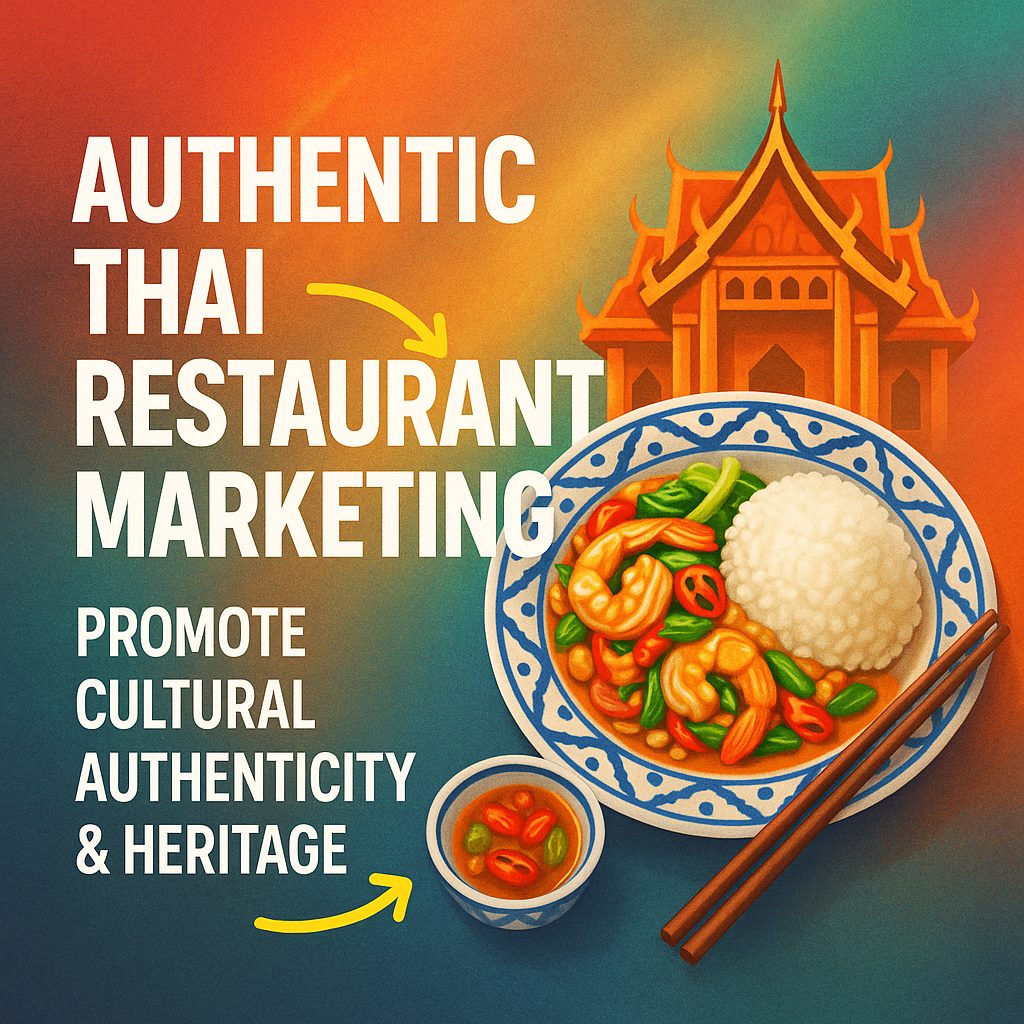
Thai restaurants have embellished cityscapes around the world with their hallmark flavors, thanks to savvy marketing efforts. Understanding local palettes and incorporating a touch of authenticity has been a key strategy. This distinct combination appeals not just to the tastebuds but also to those seeking a cultural and culinary experience.
For Thai restaurateurs and marketers, capturing the essence of authentic Thai cuisine while catering to a diverse global audience is essential. Online marketing strategies, particularly through social media and SEO, have been instrumental in promoting unique Thai dining experiences. Given the increased interest in health and wellness, emphasizing the healthy aspects of Thai food — its use of fresh herbs, spices, and nutrient-rich vegetables — has also attracted a more health-conscious clientele.
# Conclusion
The allure of Thai cuisine lies in its ability to embody a rich cultural heritage while continually evolving to meet the tastes and preferences of a global audience. Whether enjoyed by Thai expats or international diners, the unique flavors and dishes evoke a sense of Thailand’s history, culture, and lifestyle. For those looking to enhance their marketing strategies for Thai restaurants, it’s essential to highlight the authenticity, diversity, and health benefits of Thai food.
In embracing these aspects, the story of Thai cuisine becomes a captivating narrative of tradition, innovation, and global resonance. The continued success of Thai cuisine worldwide is a testament to its timeless appeal and distinctive culinary excellence.

0 Comments