
Before embarking on a journey through Thai cuisine, many of us might envision a table adorned with steaming plates of Pad Thai. While this quintessential noodle dish is undeniably delicious, the depth and diversity of Thai culinary traditions extend far beyond its borders. For those applying the nuances of Thai culinary traditions to marketing ventures, especially in Thai restaurants catering to the Thai diaspora or expat communities abroad, tapping into these depths can provide an authentic and rich experience.
# The Lesser-Known Gems of Thai Cuisine
One of the most beautiful aspects of Thai cuisine is its regional diversity, offering a plethora of dishes and flavors that remain largely overshadowed by their global counterpart, Pad Thai. Delving into the kitchens of Northern Thailand, we encounter “Khao Soi,” a creamy curry noodle soup bursting with spices, coconut milk, and topped with crispy noodles. This dish encapsulates the influence of Myanmar and Laos, showcasing the historical blend of cultures.
In Southern Thailand, the cuisine takes on a spicier and richer flavor profile. Dishes such as “Gaeng som,” a sour curry that tantalizes the taste buds, are popular. Rich in turmeric and tamarind, this dish is usually accompanied by fresh seafood, capturing the essence of coastal Thai communities.
# Cultural Influence and Culinary Adaptation
The tapestry of Thai culinary traditions is also woven with the threads of Indian, Chinese, and Malay influences. Dishes such as “Massaman Curry,” often hailed as one of the world’s most delicious foods, illustrates an Indian influence with its blend of Persian spices, peanuts, and tamarind.
Thai food has adapted over the centuries, embracing new ingredients and techniques. This makes it perfect for showcasing to expatriate communities and tourists alike, often longing for a taste that epitomizes their home, yet remains approachable for foreign palates.
# Strategies for Marketing Thai Cuisine
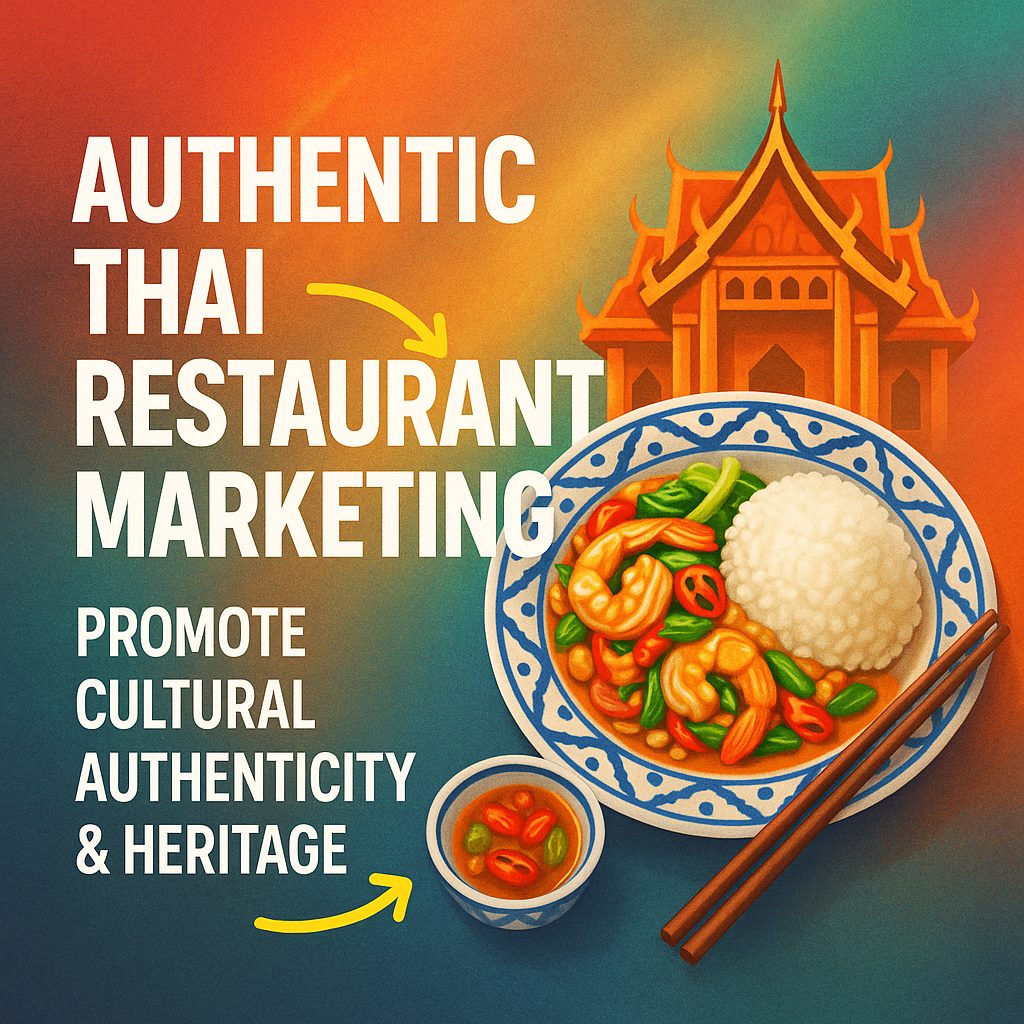
For restaurants aiming to capture the hearts (and palates) of both the Thai diaspora and adventure-seeking foodies, emphasis should be placed on educating and introducing these lesser-known dishes. Highlighting the cultural stories and regional specialties not only boosts engagement but taps into a yearning for authenticity within expatriate communities.
1. **Cultural Storytelling:** Engage your audience by sharing the backstories of dishes. Highlight the regions they come from and their significance. These narratives create an emotional connection, especially for those in the Thai diaspora, bridging gaps between continents with familiar tastes.
2. **Community Involvement:** Host events that cater to the Thai community. Festivals, cooking workshops, and regional taste tours can foster a sense of belonging while introducing broader audiences to diverse dishes beyond traditional favorites.
3. **Online Platforms and SEO:** Utilize online platforms not only to showcase your dishes but also to educate about Thai culinary traditions. Write blog posts, share video content, and ensure that your SEO is optimized for terms like “expat Thai” and “regional Thai dishes.”
# The Culinary Expedition Continues
As the world grows more interconnected, harnessing the full spectrum of Thai culinary traditions presents both a challenge and an opportunity. By going beyond Pad Thai and tapping into the storied past and vibrant present of Thai cuisine, restaurants can offer a genuine taste of Thailand to those near and far.
For expatriate Thai communities, these offerings are not just about dining but about reconnecting with a piece of their heritage. For others, it’s a delicious adventure, connecting flavors to unfamiliar yet fascinating histories. The adventure awaits!

0 Comments