
Thai cuisine, with its vibrant flavors and aromatic ingredients, is much more than a collection of dishes; it’s a bridge between cultures and communities. Its roots are deep within Thailand but have spread globally, weaving a rich multicultural tapestry. As people move and settle across the world, Thai food has become a cherished staple in the international culinary landscape, often acting as a conduit for cultural exchange and understanding. Let’s delve into how this unique cuisine serves as a bridge between communities, particularly for the Thailand diaspora and expat Thai communities, while also exploring the marketing opportunities for Thai restaurants looking to broaden their reach.
At the heart of Thai cuisine is its unique balance of flavors—sweet, sour, salty, and spicy—which reflects the country’s geographical diversity and cultural interactions. Thai food bears the influence of Chinese, Indian, and Malaysian cuisines, yet maintains distinctive characteristics that are uniquely its own. For members of the Thai diaspora living abroad, food often serves as a comforting reminder of home, a powerful way to maintain cultural identity while integrating into new environments.
In cities with a significant Thai expatriate community, restaurants become critical cultural hubs. They are more than places to eat; they become gathering spots where members of the diaspora connect over shared tastes and traditions. Through dishes like Pad Thai, Tom Yum soup, and Green Curry, individuals relive personal memories and celebrate their heritage. These establishments play a vital role in preserving cultural legacies within multicultural societies.
Moreover, Thai cuisine has an extraordinary appeal among non-Thai individuals, who are drawn to its complex flavors and health benefits. This widespread appreciation helps foster intercultural understanding and acceptance. For instance, participating in a Thai cooking class or a community festival celebrating Thai food offers opportunities for different cultural groups to meet, interact, and forge lasting relationships.
For Thai restaurant owners, tapping into these cross-cultural connections presents a unique marketing opportunity. Understanding the multicultural appeal of Thai cuisine is crucial. Highlighting the health benefits, distinctive flavors, and cultural stories behind each dish can attract a broad audience, from food enthusiasts to individuals seeking new cultural experiences.
Digital marketing strategies can play an essential role in broadening the reach of Thai restaurants. Engaging content highlighting the stories behind popular dishes, the craftsmanship involved in preparation, and the cultural significance of certain ingredients can be distributed across social media platforms and websites, targeting both the local and broader ethnic communities. Collaborating with food bloggers and influencers who have a diverse following can also amplify the restaurant’s reach.
Hosting events like Thai food festivals, cooking workshops, and tasting nights can bring communities together, providing firsthand experiences of the richness of Thai culture. Additionally, developing partnerships with local cultural institutions and schools can deepen engagement and increase visibility within diverse community groups.
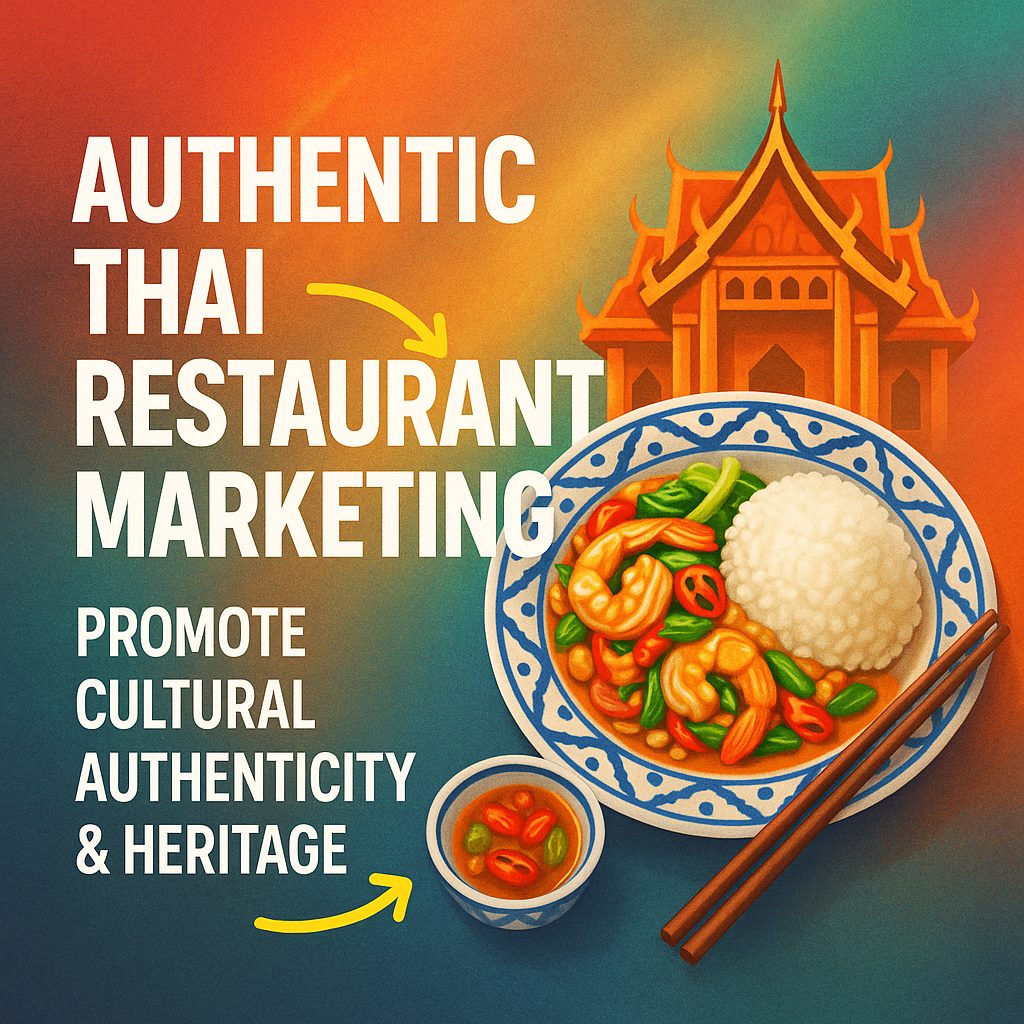
Emphasizing authenticity and a commitment to traditional techniques while also being open to innovation and fusion can appeal to a broad audience. This approach respects the traditional roots of Thai cuisine while welcoming modern interpretations that can cater to local tastes and preferences.
Thai cuisine truly acts as a culinary diplomat, fostering goodwill and deeper connections across communities. It stands as a testament to the power of food in bridging cultural divides, nurishing not just the body but also the soul, and facilitating mutual understanding and appreciation in our increasingly connected world.

0 Comments