
Nestled in the heart of Southeast Asia, Thailand is celebrated for its vibrant culture, stunning landscapes, and exquisite cuisine. Yet, an often-underappreciated aspect of its culinary culture is its rich tea heritage. This blog post delves deep into how Thailand’s tea culture has woven itself into the fabric of Thai society and beyond, especially within the Thai diaspora, expat communities, and marketing for Thai restaurants globally.
Tea in Thailand is more than just a beverage; it’s an experience, a tradition. Traditionally, Thai tea, or “cha yen,” often embodies a sweet, aromatic concoction blending robust black tea with sweetened condensed milk. Served over ice, this refreshing drink becomes a staple in many Thai households and street vendors, especially during the balmy afternoons.
One cannot mention Thailand’s tea culture without acknowledging its fusion of local and international influences. While the Indian and Chinese communities played foundational roles in introducing tea to Thailand, local creativity transformed it into something distinctively Thai through the use of ingredients like star anise, tamarind seed, and orange blossom water. Such influences not only highlight the country’s rich cultural tapestry but also represent the broader context of the Thai diaspora.
Thai communities worldwide, particularly in cities with a significant concentration of Thai expats, have played a pivotal role in popularizing Thai tea. As they establish roots in foreign lands, these communities bring along a bit of home through food and beverages, allowing others to experience a slice of Thailand. For many expats, sharing a cup of traditional Thai tea during gatherings is a nostalgic ritual that bridges their new home with the memories of the old world.
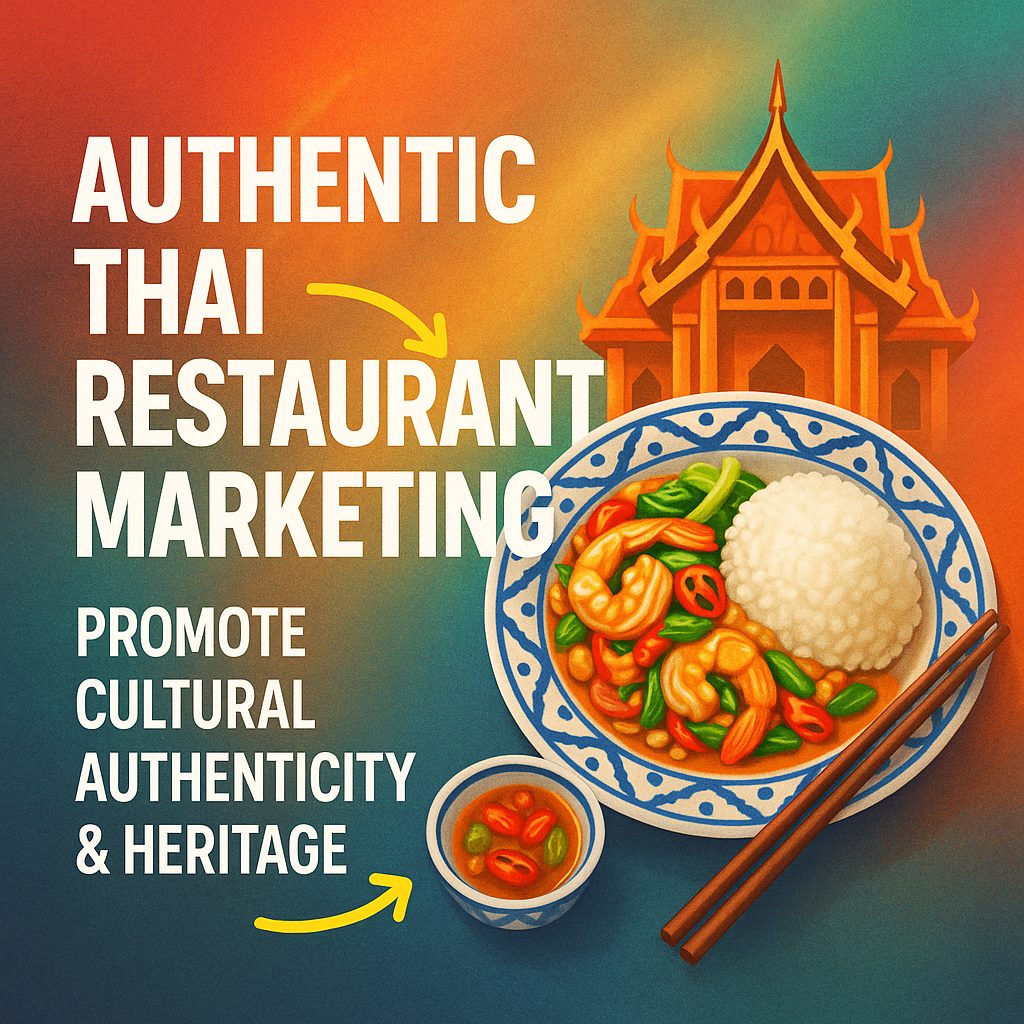
In the realm of Thai cuisine, the global marketplace presents both challenges and opportunities. For Thai restaurants abroad, incorporating traditional drinks like the infamous sweet Thai iced tea offers a unique marketing advantage. Not only do they provide an authentic taste, but they also cater to a growing segment of tea enthusiasts seeking novel experiences. Restaurants can leverage this by highlighting the stories behind these teas – the journey from leaf to cup and the cultural anecdotes associated with it. For instance, marketing strategies can include storytelling through menu descriptions, interactive tea tasting events, or even workshops led by tea artisans. This approach not only elevates the dining experience but also deepens the appreciation and understanding of Thai culture.
Moreover, the specific marketing angle for Thai restaurants in foreign locales could focus on the sustainability and ethical sourcing of their tea ingredients. By emphasizing connections with local farmers in Thailand and sustainable farming practices, restaurants can attract conscious consumers who prioritize ethical eating.
In conclusion, Thailand’s tea culture is not merely about liquid refreshment. It’s an intricate weaving of history, tradition, and innovation that captivates locals, diaspora, and international audiences alike. As Thai cuisine continues to enchant palates worldwide, its tea culture surely stands as an emblem of cultural exchange and evolution, promising an ever-expanding influence across borders.

0 Comments