
Embracing the aroma and fiery undertones of Thai cuisine isn’t just about the dishes that grace the table; it’s an intimate cultural journey that transcends taste. The secret to authenticity lies within the delicate balance of spices, a skill perfected over generations within Thailand and preserved by its diaspora around the world.
# Understanding Thai Spice Levels
To the uninitiated, Thai cuisine may seem dauntingly spicy. However, within every fragrant dish lies a symphony of flavors that require skillful orchestration. The “spice level” is not just about heat; it’s a multi-dimensional aspect of Thai dishes that conveys authenticity and tradition. Whether you’re an expat Thai chef in New York or a restaurateur in Bangkok’s international district looking to market your restaurant to locals and tourists alike, mastering spice levels can be your secret weapon.
Traditionally, Thai cuisine uses a wide variety of chilies—prik chee fa, prik kee noo, and prik kee noo suan—to create that signature heat. These chilies are meticulously paired with herbs like lemongrass, galangal, and kaffir lime leaves, which introduce aromatics that both enhance and temper the heat of the dish.
# Spice Level Customization for Diverse Palates
The adaptability of Thai spice levels provides a versatile culinary experience. For the expatriate Thai community, it’s paramount to maintain these authentic flavors as they adapt their meals to local tastes. This can be particularly challenging in areas where diners may not typically enjoy spicy food.
If you’re an expat Thai chef or restaurateur, consider the following tips to preserve authenticity while catering to a varied clientele:
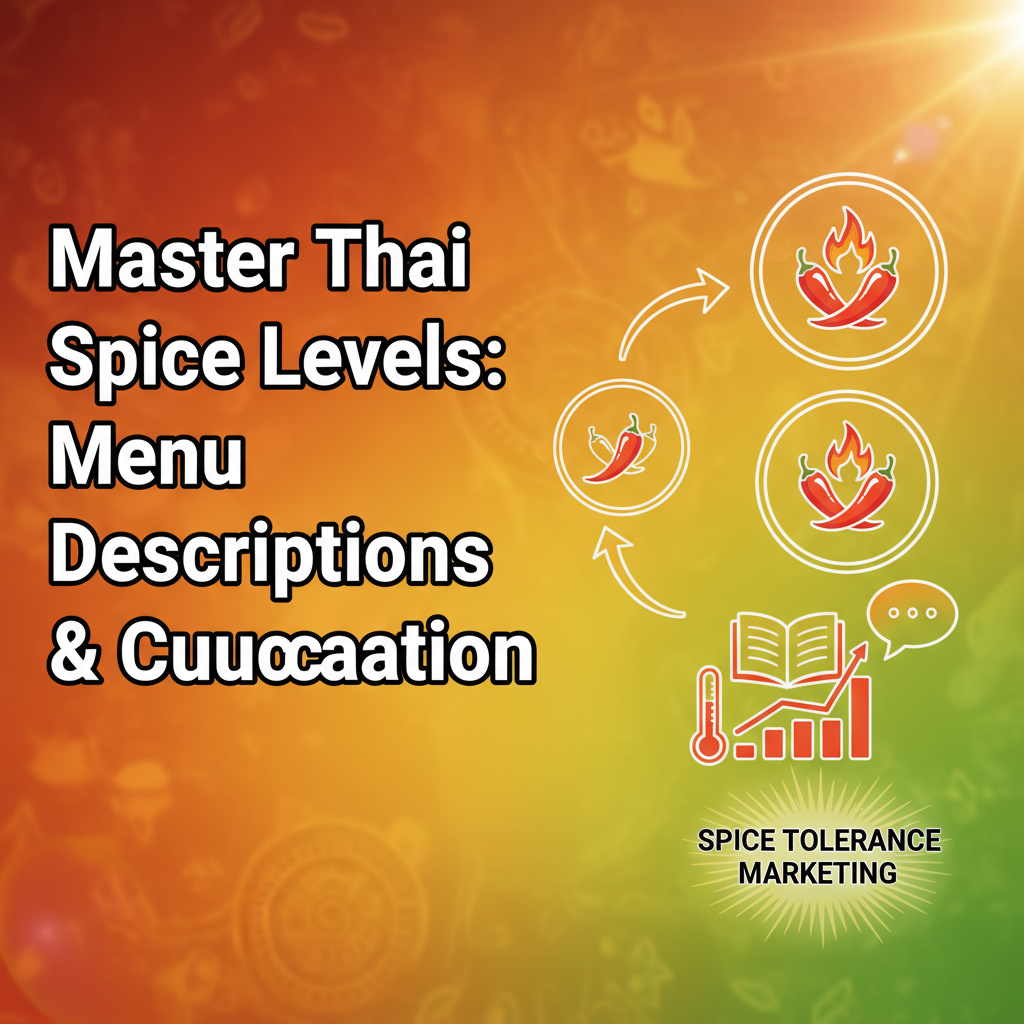
1. **Begin Mild and Offer Customization**: Introduce newcomers to Thai cuisine by starting with mild spice levels. Provide a spice meter or chili scale on your menu, giving diners the choice to increase the heat according to their comfort.
2. **Educate Your Customers**: Host cooking classes or tasting sessions. Educating your customers about the components of Thai spice blends can enhance their dining experience and make them regular patrons.
3. **Use Authentic Ingredients**: Source authentic Thai ingredients, even if it means a slightly higher expense. This ensures the genuine flavors of Thailand aren’t compromised and communicates dedication to authenticity to your Thai diaspora community and other committed patrons.
# Marketing Thai Spice Mastery
To stand out in the Thai restaurant market, utilize spice expertise as a unique selling proposition. Crafting a marketing strategy that highlights your ability to adjust spice levels can attract a broad audience:
– **Cultural and Food Events**: Participate in food festivals or host thematic nights with a focus on spice and flavor, showcasing the layers within traditional dishes. This not only draws attention to your culinary skills but also emphasizes cultural heritage.
– **Social Media Engagement**: Share behind-the-scenes videos of your chefs as they skillfully balance spices, offering tips and insights into creating authentic flavors at home. Highlight testimonials from both Thai expats and local fans praising your authenticity and accommodating spice levels.
– **Collaborate with Thai Diaspora Channels**: Partner with influencers or bloggers within the Thai diaspora and expat communities. Their endorsements can bring authenticity to your message and attract a niche yet loyal audience.
The art of mastering Thai spice levels isn’t merely about creating dishes that satisfy; it’s about honoring a rich culinary tradition and making it accessible to all. Whether by adjusting the heat or teaching the uninitiated, every carefully curated dish can be a bridge between cultures—a testament to the passion and flavor that define Thai cuisine.

0 Comments