
As the landscapes of diverse cities worldwide become dotted with a vibrant tapestry of cultures, communities, and flavors, the Thai diaspora stands as both a colorful thread and a testament to adaptability. Yet, for new Thai immigrants, acclimating and aligning with their new surroundings can prove to be both a deeply rewarding and immensely challenging journey. This article delves into these multi-layered challenges faced by new arrivals in the Thai expatriate community, and how they navigate a path rich with complexity and opportunity.
**Cultural Integration and Community Building**
For many Thai immigrants, the journey abroad is both an adventure and a step into the unknown. As they settle into their new homes, one of their primary challenges is cultural integration. Each city offers a unique mix of traditions, etiquette, and social norms. For example, while the traditional Thai “Wai” greeting—hands pressed together in a prayer-like fashion—may be a common gesture in Bangkok, newcomers often need to adapt to different forms of social interaction in their new communities.
Building connections within Thai expat communities offers solace and support. Many cities with significant Thai populations have established community centers or host cultural events, such as Songkran (Thai New Year) and Loi Krathong (Festival of Lights), providing opportunities to bond and share experiences.
**Employment and Professional Development Challenges**
Finding employment that matches one’s qualifications is frequently a hurdle for new Thai migrants. Language barriers and differences in professional standards can play a significant role. Many immigrants are compelled to accept jobs below their skill levels due to credential recognition issues. Programs fostering skill development and language proficiency become essential in opening doors to better employment opportunities for Thais seeking to integrate professionally.
Some Thai immigrants choose to capitalize on their rich cultural heritage by entering the growing market of Thai cuisine through restaurants or food stalls. While this path is promising given the occidental love for Thai flavors, newcomers must adeptly navigate local taste preferences and food regulations.
**Marketing Thai Cuisine in a New Market**
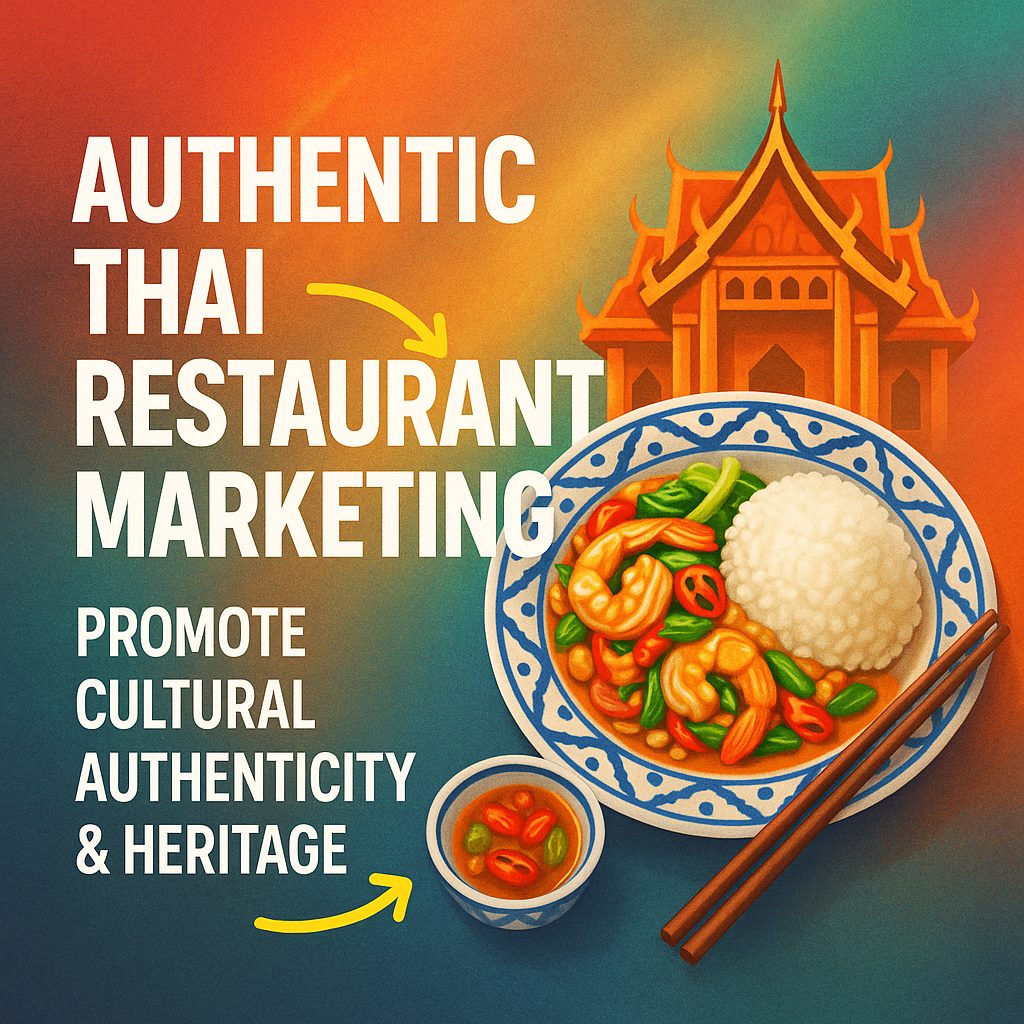
Thai cuisine, renowned for its balance of sweet, sour, salty, and spicy flavors, is globally adored. However, the challenge for Thai restaurateurs is not only to recreate authentic dishes but to effectively market them. Understanding local consumer behavior, taste preferences, and dining trends is essential for Thai restaurant owners looking to establish a foothold.
A Thai restaurant’s marketing strategy must blend authenticity with adaptation. Highlighting dishes that cater to local palates while introducing traditional Thai specialties can enhance appeal. Utilizing social media and collaborations with local influencers can also boost visibility. Additionally, hosting Thai-inspired cooking classes or cultural nights are effective strategies to draw a diverse clientele.
**Emotional Well-being and Adaptation**
Adjusting emotionally and psychologically also forms a significant part of the immigrant experience. The separation from family and the familiar comforts of home can take a toll on well-being. New Thai diaspora immigrants often experience a delicate dance between maintaining their cultural identity and embracing the aspects of a new culture.
Access to mental health services and community support networks is vital. Social media and digital communication platforms further enable new arrivals to maintain connections with family back home, easing the emotional burden of the transition.
**Conclusion**
The richly woven fabric of the Thai diaspora is one embroidered with both tradition and change. Each Thai immigrant brings with them unique challenges and aspirations. Through cultural integration, professional persistence, strategic marketing, and emotional resilience, these new arrivals contribute vibrantly not only to their communities but to the global narrative of migration. Understanding these challenges is the first step towards creating more inclusive and supportive environments for newcomers adapting to life in their adopted homelands.

0 Comments