In our ever-evolving global landscape, food continues to serve as a universal language, transcending borders and bridging diverse cultures. Particularly, the vibrant and aromatic flavors of Thai cuisine have a unique ability to unite the diverse mosaic of people who savor its dishes. For the Thailand diaspora and expat Thai communities scattered across the globe, food is more than sustenance; it is a vibrant thread that connects people to their roots while welcoming others to join in the experience. This cultural gastronomic bridge offers an enticing opportunity for Thai restaurants to market their offerings not just as meals, but as immersive cultural exchanges.
Rooted deeply in history, Thai food is a symphony of tastes where sweetness, sourness, bitterness, and spiciness meld into harmonious dishes. These flavors resonate deeply within Thai communities abroad, acting as nostalgic reminders of homeland traditions and family gatherings. For instance, a bowl of tom yum goong might evoke childhood memories of Bangkok street markets for an expat in New York. The profound emotional connection to these dishes helps expatriates maintain a sense of identity in a foreign land. For the wider community, these same dishes serve as a portal into the rich culture of Thailand, offering a culinary journey that bypasses geographical limitations.
Thai restaurants situated in multicultural cities often become vibrant hubs of intercultural exchange. Whether in a bustling corner of Los Angeles or a quaint neighborhood in Berlin, these establishments invite patrons to explore the magic of Thai culinary art. Marketing for Thai restaurants can exploit this interplay of culture and cuisine by highlighting not only the authenticity of dishes but also the shared experiences they offer. Emphasizing community events, collaborative dinners with other cultural cuisines, or even storytelling nights featuring tales from Thailand can set a restaurant apart as more than just a place to eat, but as a gathering point for cultural dialogue.
The distinct and diverse flavors of Thai food are well-suited for fusion, too, combining elements of different culinary styles to create something new and inviting. This adaptability allows Thai cuisine to interact with local flavors and ingredients unique to its geographic setting. Marketing strategies can effectively harness this by showcasing unique fusion dishes that marry traditional Thai recipes with local favorites, appealing to both adventurous eaters and those with a penchant for fusion dining.
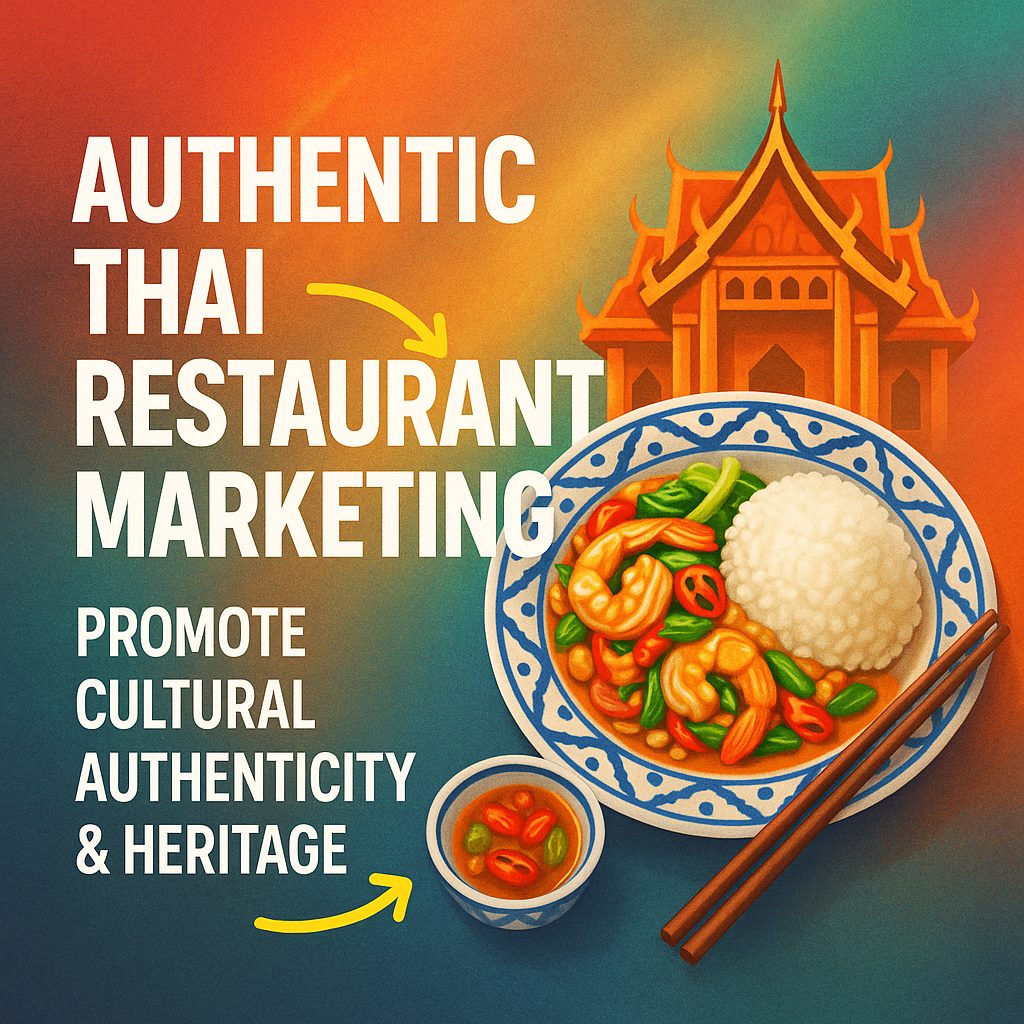
Beyond flavor, the presentation of Thai dishes—with their vivid colors and intricate designs—can be leveraged to entice patrons. Marketing approaches that utilize social media platforms, enticing visual campaigns, and engaging storytelling can help share these delightful visuals, inviting a wider audience to experience Thailand’s culture through its cuisine.
In conclusion, Thai cuisine acts as a cultural unifier in a world increasingly defined by diversity. For the Thailand diaspora and expat Thai communities, food is a connection to the past—a piece of home transported across the globe. For cultural explorers, it is an invitation to discover new tastes and stories. Thai restaurants, therefore, hold a unique position as ambassadors of cultural exchange, offering not just meals, but meaningful experiences that connect us all through shared flavors and stories.

0 Comments