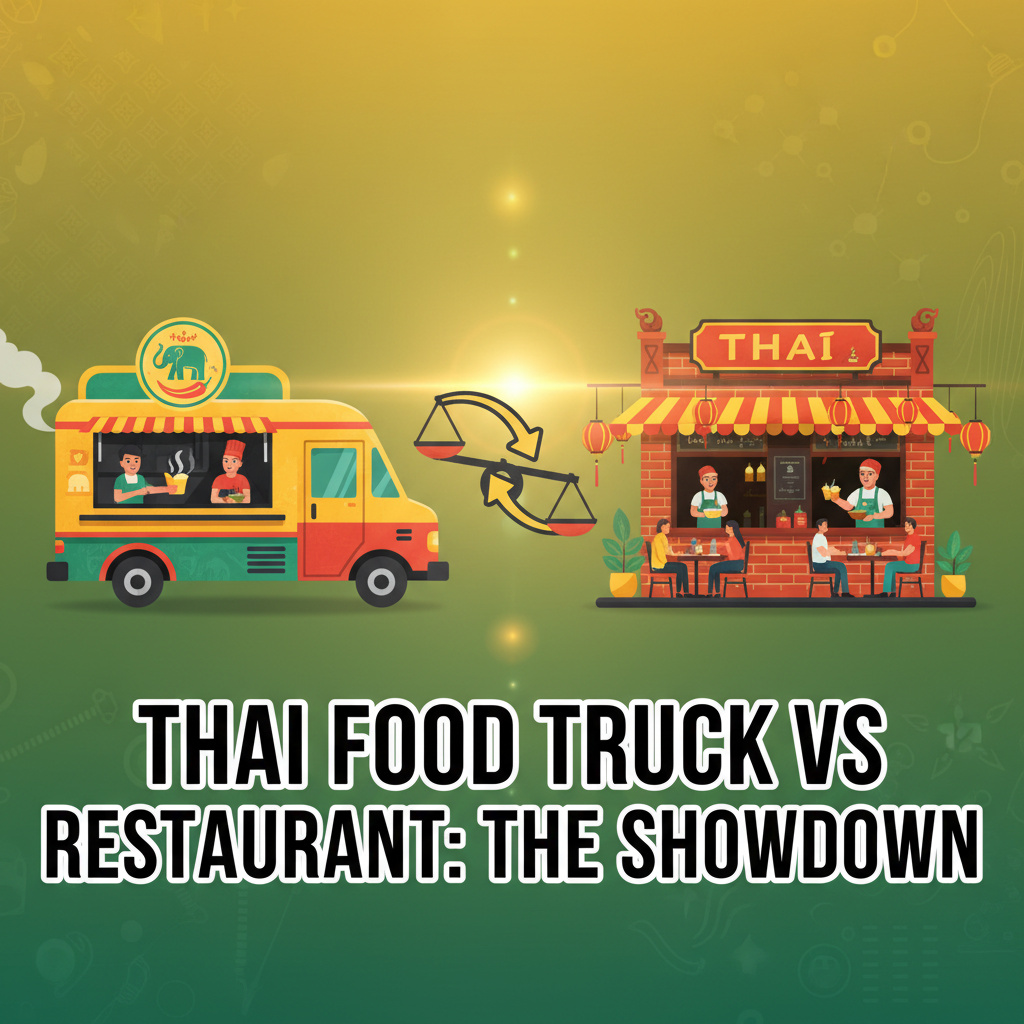
Mobile vs. Brick-and-Mortar: The Thai Food Truck Dilemma
As a Thai food truck owner, you face a unique challenge: how to balance the flexibility of a mobile kitchen with the stability of a brick-and-mortar restaurant. Both options have their pros and cons, and understanding them can help you make the best decision for your business.
The Advantages of a Food Truck
Food trucks offer a lower-cost entry into the culinary world compared to traditional restaurants. Here’s why:
- Lower Overhead: No rent or utility bills for a permanent location.
- Flexibility: Move to high-traffic areas or events to maximize sales.
- Brand Exposure: Your truck becomes a mobile advertisement for your cuisine.
Success Story: The Wandering Thai
The Wandering Thai started as a food truck, serving at festivals and markets. Within two years, they built a loyal customer base and expanded into a brick-and-mortar restaurant location.
Challenges of Operating a Food Truck
While food trucks have their perks, they also come with limitations:
- Seasonal Sales: Weather and events can significantly impact revenue.
- Limited Space: Smaller kitchen and storage areas restrict menu options.
- Regulatory Hurdles: Navigating permits and health codes can be complex.
The Case for a Brick-and-Mortar Restaurant
Opening a restaurant offers stability and a dedicated space for your culinary creations. Here’s why:
- Consistent Foot Traffic: Attract customers regardless of weather or events.
- Expanded Menu: More space allows for a diverse and creative menu.
- Enhanced Customer Experience: Create a welcoming atmosphere that keeps patrons coming back.
Challenges of a Brick-and-Mortar Restaurant
However, restaurants come with higher risks:
- Increased Overhead: Rent, utilities, and staff costs can strain your budget.
- Location Dependency: Success heavily relies on foot traffic and visibility.
- Longer ROI Period: It may take time to recoup your initial investment.
Making the Right Choice for Your Thai Food Business
Your decision should align with your business goals, target audience, and financial capacity. Consider these factors:
- Market Demand: Test your concept with a food truck before committing to a restaurant.
- Growth Strategy: Use the truck to build brand awareness and transition to a restaurant later.
- Financial Planning: Ensure you have a solid plan to manage costs and revenue.
Final Thoughts: Hybrid Models
Some businesses successfully combine both models. Start with a food truck to build a customer base, then open a restaurant while keeping the truck for catering and events.
What’s your next move? Share your plans below, and let’s discuss how to grow your Thai food empire.

0 Comments