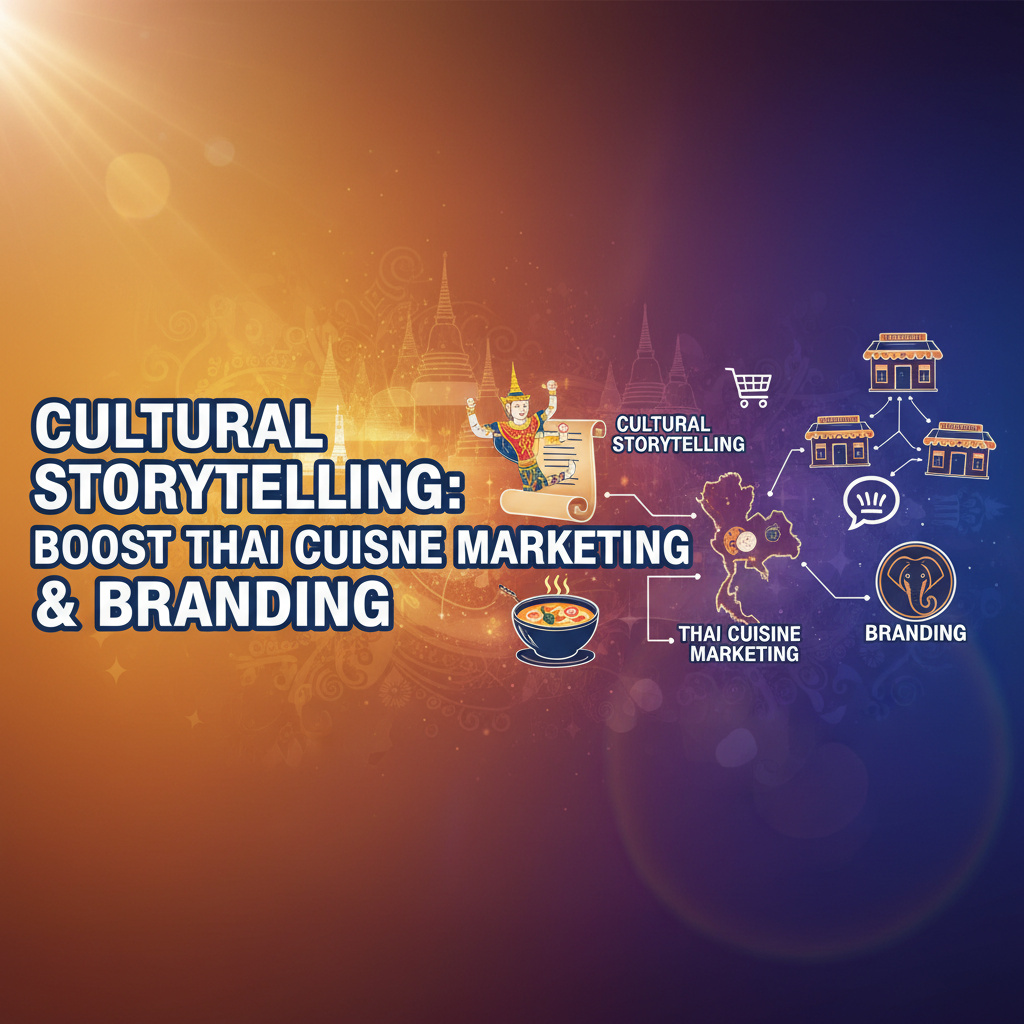
Cultural Storytelling: Boost Thai Cuisine Marketing & Branding
Thai cuisine is more than just food—it’s a celebration of culture, tradition, and community. By leveraging cultural storytelling, Thai restaurants can create deeper connections with customers, elevate their branding, and drive loyalty. Here’s how.
Why Cultural Storytelling Matters for Thai Restaurants
Cultural storytelling is the art of sharing the stories, values, and traditions that define your cuisine. For Thai restaurants, this means highlighting the rich heritage behind each dish, from family recipes to regional ingredients.
- Builds Authenticity: Customers crave genuine experiences. Sharing your story makes your restaurant feel more than just a place to eat—it’s a cultural journey.
- Differentiates Your Brand: In a competitive market, storytelling sets you apart. It transforms your restaurant into a destination, not just a dining option.
- Drives Customer Loyalty: When customers connect with your story, they’re more likely to return and share it with others.
How to Use Cultural Storytelling in Your Marketing
1. Highlight Signature Dishes with Their Stories
Every dish has a story. For example, Pad Thai isn’t just a meal—it’s a symbol of Thailand’s culinary evolution. Share the history and ingredients that make it special on your menu and social media.
2. Create Engaging Content Around Thai Traditions
Use blogs, videos, or social media posts to explore Thai festivals, cooking techniques, or the significance of herbs like lemongrass. This educates your audience and deepens their appreciation for your cuisine.
3. Feature Your Team’s Expertise
Your chefs and staff are cultural ambassadors. Share their stories, passion for Thai cuisine, and behind-the-scenes moments to humanize your brand and connect with customers.
Examples of Cultural Storytelling in Action
Let’s look at some Thai restaurants that excel at storytelling:
- Bangkok Bistro: Uses Instagram to showcase the art of making traditional dishes, complete with videos and chef interviews.
- Siam Spice: Features blog posts about Thai festivals, explaining their significance and how they inspire the restaurant’s menu.
- Lotus Leaf: Tells the story of its farm-to-table approach, emphasizing fresh, authentic ingredients sourced from Thailand.
Tips for Effective Cultural Storytelling
- Be Authentic: Share stories that reflect your true values and heritage. Authenticity resonates more than perfection.
- Use Visuals: High-quality photos and videos bring your stories to life. Invest in good visuals to enhance your message.
- Engage Your Audience: Encourage customers to share their experiences and stories. Feature user-generated content to build community.
Measuring the Impact of Your Storytelling
Track the success of your storytelling efforts by monitoring:
- Social Media Engagement: Likes, shares, and comments indicate how well your stories resonate.
- Website Traffic: Increased visits to your blog or menu pages show curiosity and interest in your culture.
- Customer Feedback: Positive reviews and repeat visits reflect the emotional connection you’ve built.
Transform Your Restaurant with Cultural Storytelling
Cultural storytelling isn’t just marketing—it’s a way to honor your heritage and create memorable experiences for your customers. By sharing the stories behind your Thai cuisine, you’ll build a brand that stands out and thrives.
Your Turn: What’s your favorite story behind a dish? Share it in the comments or tag us on social media. Let’s celebrate Thai culture together!
Your Turn: What’s your favorite story behind a branding? Share it in the comments or tag us on social media. Let’s celebrate Thai culture together!

0 Comments