
Thai curry is more than just a meal—it’s a vibrant experience that engages the senses and tells a story of culture, history, and the diverse influences that have shaped Thailand’s culinary landscape. For those living abroad—particularly among the Thailand diaspora and expat Thai communities—a bowl of Thai curry can evoke the warm familiarity of home. Its distinctive flavors and textures continue to capture imaginations and taste buds around the world, leading to a remarkable increase in its popularity, especially in international markets.
At the heart of every unforgettable Thai curry is its balance of flavors. The combination of sweet, sour, salty, and spicy creates a symphonic taste quality that’s distinctive and unparalleled. Each Thai curry, whether it’s the fiery red, the luscious green, or the subtle yet complex Massaman, tells its own story through its spice blends, herbs, and other ingredients. The foundations of any Thai curry dish are typically a mix of fresh herbs like lemongrass, kaffir lime leaves, and galangal—a cousin of ginger. These elements combine to form a rich paste, the soul of the curry, sautéed thoughtfully to release their essential oils and intensify their aroma.
One of the ingredients that sets Thai curry apart is coconut milk, which provides a creamy texture that tempers the heat of the chilies and complements the bold spices. This ingredient plays a crucial role in connecting Thailand’s cultural palate with Indian influences, which brought both curry and religion into Thai life centuries back. The resulting fusion, the genius of Thai culinary artistry, paves the way for anyone looking to celebrate Thai culture, even when halfway across the globe.
Expat Thai communities often use cooking as a means to stay connected to their roots and introduce Thai culture to their foreign counterparts. As they showcase authentic Thai curry recipes, they inadvertently take part in a unique form of culinary marketing, educating the world about their rich history and diverse flavors. Thai restaurants, especially, serve as cultural ambassadors, drawing in food enthusiasts eager for an authentic taste of Thailand, whether through the evocative aroma of a brewing Massaman or the vibrant chili punches in a delicious bowl of Penang curry.
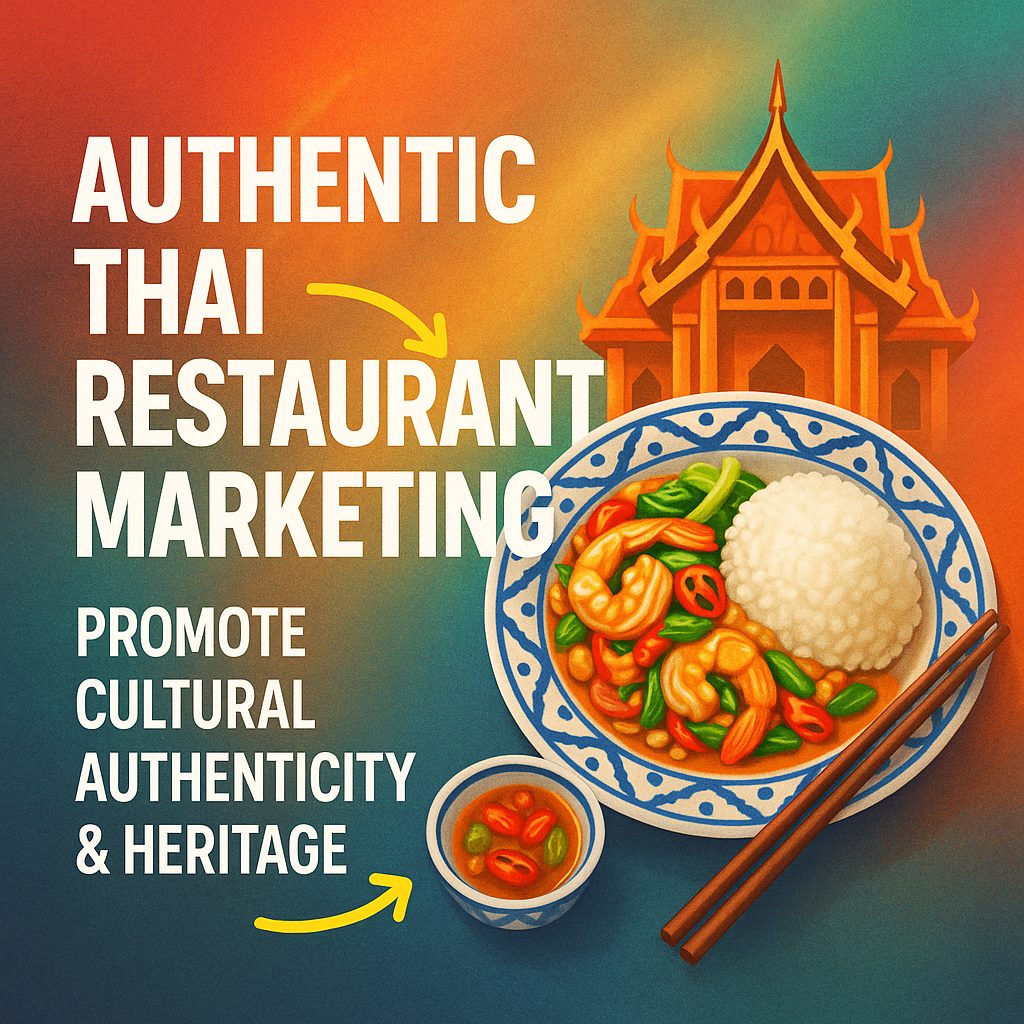
To effectively market Thai curry internationally, especially for those running restaurants outside Thailand, it’s crucial to underscore the artistry and heritage infused in each dish. Sharing the stories behind these flavors can further captivate curious taste explorers and inculcate a deeper appreciation for Thai cuisine. Consider highlighting the role of regional differences, from the Muslim-influenced curries of the south to the herb-forward iterations typical of northern Thailand, to offer a complete picture of this beloved dish’s versatility.
Furthermore, an authentic approach to Thai cuisine marketing fosters a sense of belonging among expat communities while inviting new followers to join a delicious journey where geography becomes less about location and more about finding a communal table shared over a steaming Thai curry. So, the next time you indulge in this flavorful dish, remember that it’s more than just a culinary delight; it is a bridge connecting cultures, a comforting reminder of home for many in the Thailand diaspora, and an enduring testament to the vibrant heritage of Thai cuisine.

0 Comments