
Imagine biting into a dish of som tum (green papaya salad) in Bangkok, with the perfect balance of spicy, sour, sweet, and salty flavors dancing on your tongue. Now, imagine having a similar dish in California, where the heat is toned down, and a hint of ranch dressing sneaks in to make it more palatable to the local tastebuds. This transformation of Thai food across different geographies is a fascinating example of culinary culture shock.
Adapting Thai recipes to suit overseas markets involves both the art of preserving authenticity and the science of market adaptation. This delicate balance is akin to a cultural dance, where chefs and restaurateurs must be astute listeners to both tradition and local preferences, blending them into a harmonious experience that respects origins while captivating the new audience.
The phenomenon of adapting Thai cuisine is particularly prevalent among the Thai diaspora, who are eager to share their vibrant culinary heritage while making a sustainable living in markets that may not be familiar with traditional Thai flavors. One notable challenge they face is addressing the local palate preferences, which might find the deep flavors of fish sauce, lemongrass, galangal, or the fiery intensity of Thai chilis as overpowering or exotic.
A strategic approach to this challenge involves tailoring recipes while maintaining the essence of Thai cooking. For instance, in areas with a lower tolerance for spice, a dish like tom yum soup could be adjusted by reducing chili content and ensuring that the sour and aromatic elements are enhanced to maintain its flavorful integrity. Similarly, substituting readily available local herbs for hard-to-find Thai herbs could be a practical way to adapt without losing essence.
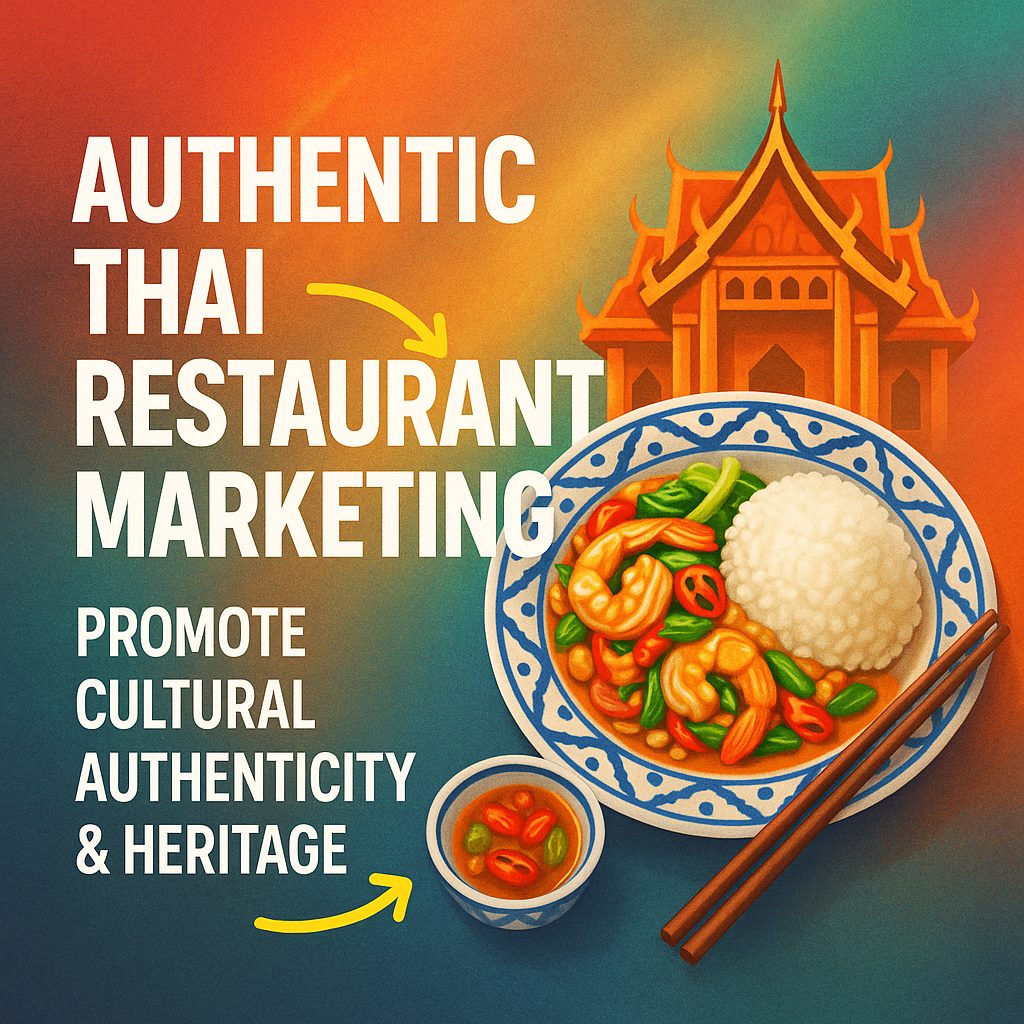
Marketing plays a crucial role in the success of any cuisine abroad, especially for Thai restaurants looking to establish themselves in foreign markets. It’s essential to connect with both the Thai expat communities, who yearn for authentic tastes from home, and broader audiences who might be experiencing Thai food for the first time. Digital marketing, with targeted content showcasing the exotic nature yet accessibility of Thai cuisine, can help pique interest. Storytelling that highlights the cultural significance and traditional roots of dishes can enhance their appeal, leading people not only to consume but also to appreciate the origins.
Moreover, engaging with the local community through events such as cooking classes or festivals can spread awareness about Thai culinary arts and foster a deeper connection. Such interactions create touchpoints that transition a one-time visitor into a loyal customer who values the authenticity of the experience.
One should also consider the role of feedback loops in this adaptation process. Restaurants pioneering in overseas markets can benefit from customer feedback to continuously refine their offerings. This kind of agile adaptation ensures that while the soul of Thai cuisine is retained, it evolves to pay homage to its new context.
In summary, the art of adapting Thai recipes in overseas markets is a nuanced process that embraces both authentic preservation and strategic innovation. By understanding local tastes, utilizing creative marketing strategies, and engaging with communities, Thai restaurateurs and chefs can successfully create a symbiotic culinary relationship that celebrates both Thai heritage and cross-cultural sharing.

0 Comments