In today’s increasingly interconnected world, the concept of “home” is more fluid than ever. The Thai diaspora, like many other expatriate communities, frequently finds itself at the intersection of cultures, teetering between maintaining a connection with Thailand and integrating into their host countries. This unique blend of identity can be observed in the myriad ways Thai expats express and explore their culture abroad.
# Finding Familiarity in the Foreign
For many Thai expats, the journey of identity exploration begins with the need for comfort and familiarity. One of the most immediate ways to achieve this is through Thai cuisine. Whether it’s a fragrant bowl of tom yum hot and sour soup or the comforting sweetness of mango sticky rice, food has an unparalleled ability to evoke memories of home. Establishing a connection through Thai food is paramount, as evidenced by the growing number of Thai restaurants popping up in global cities. These eateries serve as cultural havens, offering a taste of home amidst foreign landscapes.
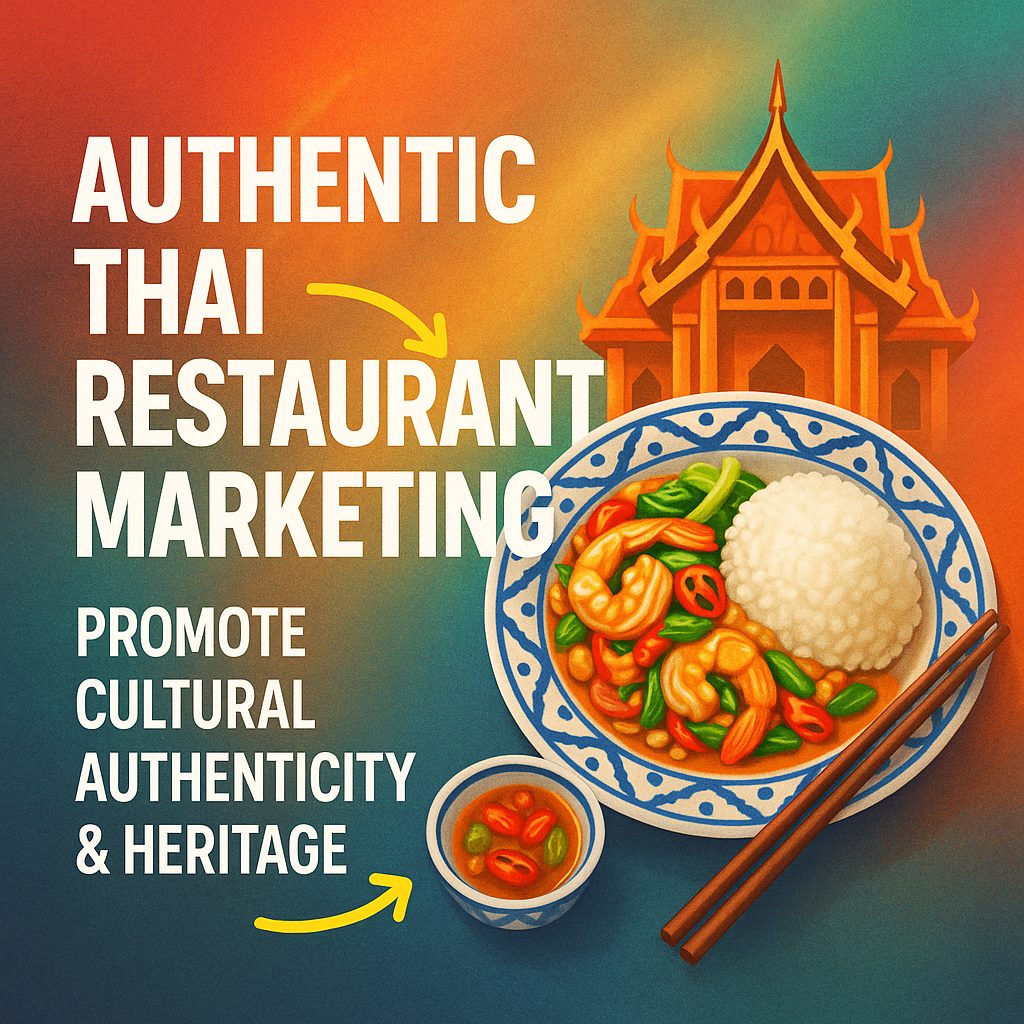
The success of these establishments often hinges on effective marketing for Thai restaurants. A distinct challenge presents itself: how to remain authentic while appealing to local palates. The key to overcoming this lies in smart, culturally sensitive marketing strategies that highlight authentic flavors while inviting fusion and localized adaptations. Digital marketing, including social media and influencer partnerships, often plays a pivotal role in drawing diverse clientele to experience the richness of Thai culinary heritage.
# Bridging Cultures through Community Engagement
Beyond the culinary scene, Thai expats engage in various activities to preserve and celebrate their heritage. Cultural festivals, such as Songkran (Thai New Year) and Loi Krathong, serve as platforms where the second-generation Thai diaspora can experience traditions that may be unfamiliar to their everyday experiences overseas. These events are a testament to the resilience of Thai culture and its adaptability in a globalized context.
Inside these communities, there’s a concerted effort to foster Thai education among younger generations who might not have spent much time in Thailand. Language classes, cultural workshops, and storytelling sessions play vital roles in maintaining cultural literacy. This cultural continuity is crucial for the Thai diaspora, as it helps younger generations understand their roots and feel a sense of belonging.
# Networking and Professional Growth
For professional Thai expats, navigating identity can also mean building networks within their fields that acknowledge and celebrate their background. Whether it’s through formal organizations, like Thai chambers of commerce or informal meet-up groups, these networks provide essential support structures. In professional settings, Thai nationals often find themselves acting as cultural ambassadors, sharing insights into Thai customs, etiquette, and business practices.
Conferences and business seminars provide platforms for Thai professionals to showcase Thailand’s rich history of innovation and creativity. This not only enhances career prospects but also ensures a greater representation of Thai narratives in global conversations, thereby enriching the cultural tapestry of the professional world.
# Embracing Hybrid Identities
For Thai expats, identity is not a static construct but a dynamic and ever-evolving journey. By celebrating their heritage while embracing cross-cultural experiences, Thai expats carve out hybrid identities that enrich both their host countries and their communities back home in Thailand. The art of belonging, therefore, becomes an ongoing dance of balancing authenticity with adaptation, rootedness with exploration.
As globalization continues to blur the boundaries of nationality, the experience of Thai expats offers valuable insights into how communities can thrive in diversity by celebrating their unique identities while contributing to the global mosaic.

0 Comments