
The vibrant world of Thai street food is more than just a culinary experience; it’s a cultural cornerstone, especially for Thai migrant communities around the globe. For many living outside Thailand, these flavorful dishes serve as a tangible connection to home, carrying the essence of Thai heritage across borders. In bustling cities with significant Thai populations, street food vendors and small family-run restaurants often form the nucleus of community life, offering both economic opportunities and cultural continuity.
Street food is a way of life in Thailand, defining its urban identities and serving as a community binder. When Thais migrate, whether as expats or members of a far-reaching diaspora, they carry this tradition with them. Within Thai migrant communities, these street vendors often become cultural ambassadors, offering tastes that transport their clientele back to the vibrant streets of Bangkok or the serene alleys of Chiang Mai. For expat Thais in particular, these food stalls become oases of familiarity, meeting places that break the isolation borne from distance from home.
The significance of street food in Thai migrant communities is manifold. Firstly, it offers opportunities for economic empowerment. Many Thai immigrants find their entrepreneurial start in their host countries through small food ventures, bringing authentic pad thai, som tam, and mango sticky rice to urban food markets. These enterprises not only serve as financial springboards but also help establish a sense of belonging in foreign cities.
Furthermore, street food plays an intrinsic role in preserving Thai culture abroad. The preparation and consumption of these dishes are steeped in cultural rituals and shared memories, reinforcing community bonds. The food becomes a way to maintain social ties and transmit heritage to the younger generations born outside Thailand. Through shared meals, traditional cooking methods, and the communal experience of eating together, the culture is both preserved and celebrated.
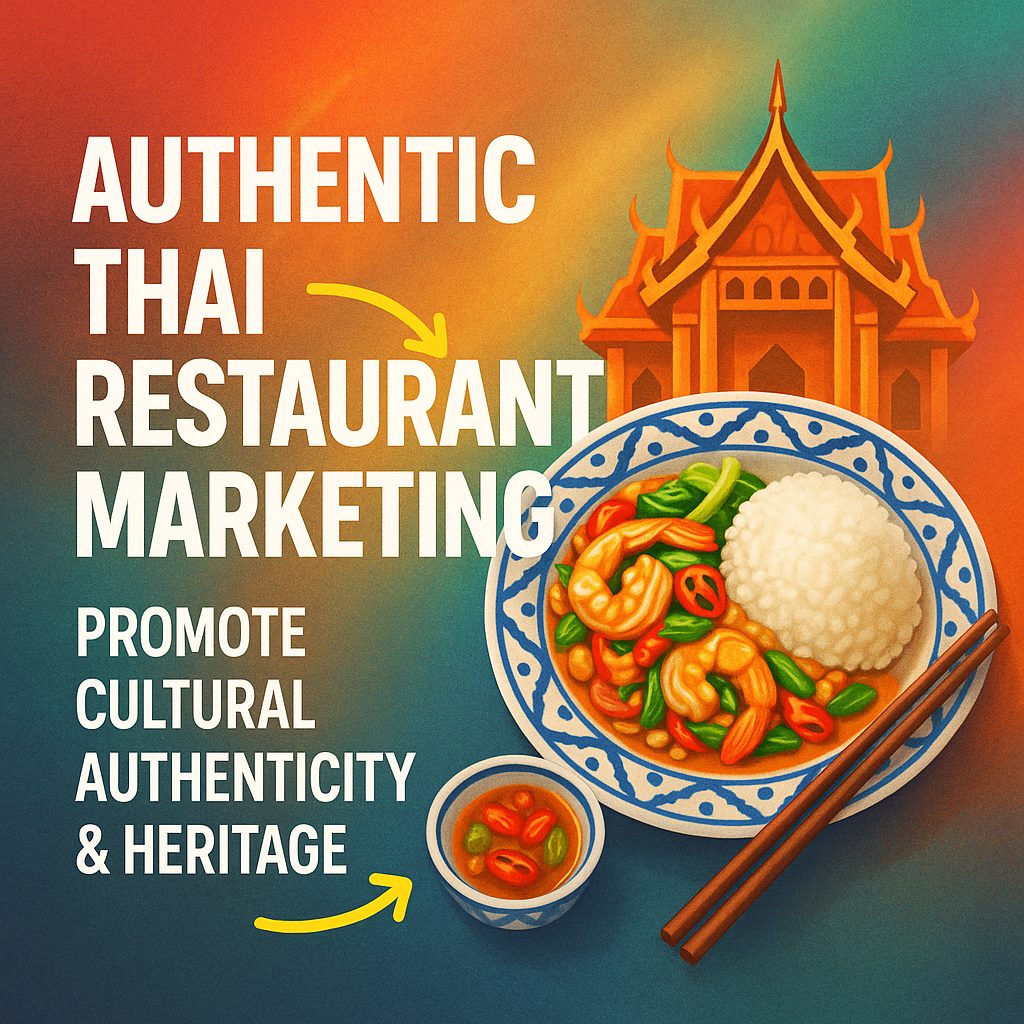
For Thai restaurants aiming to expand their reach within these communities, understanding the marketing of Thai street food is crucial. Authenticity is key, as consumers often seek genuine flavors reminiscent of those from home. This authenticity in taste and presentation is a powerful marketing tool that caters to both nostalgic Thais and curious food enthusiasts eager to explore beyond their usual culinary horizons.
Moreover, the marketing strategies should focus on storytelling, sharing not just recipes but the cultural narratives behind each dish. Engaging with the community through events, collaborations with local Thai artists, or cultural festivals can significantly enhance a restaurant’s visibility and reputation. In today’s digital age, leveraging social media to showcase these stories and the vibrant atmosphere associated with Thai street food can draw in both locals and tourists.
In addition, strategic partnerships with local businesses and participation in food tours or markets can heighten exposure and echo the communal spirit found in Thailand’s own bustling street food scene. These efforts not only attract diners but contribute to the rich tapestry of multicultural society by bringing people together through food, creating shared experiences and mutual appreciation.
In essence, the tale of Thai street food in migrant communities is one of resilience, connection, and celebration. It highlights the ability of simple ingredients to knit together a complex cultural fabric that resonates strongly, both within the confines of a tight-knit community and beyond, into the wider world.

0 Comments