
In an increasingly globalized world, food transcends borders, carrying with it the rich tapestry of cultural narratives. Few cuisines evoke sensory excitement quite like Thai food, with its treasured blend of flavors, scents, and textures. As the world becomes more interconnected, the Thai diaspora and expatriate communities have taken with them their country’s most prized possessions—their recipes. This blog post explores a selection of Thailand’s signature dishes and their journey beyond borders.
# Tom Yum Goong: A Bowl of Comfort and Complexity
Often just referred to as Tom Yum, this traditional Thai soup is a masterpiece of balance, marrying the warmth of spice with the refreshing tang of lime and lemongrass. The main ingredient, typically shrimp, dances in a bath of pungent herbs and spices, offering a feast for the senses. For Thai restaurant owners, Tom Yum Goong is a dish that anchors a menu, offering newcomers a gentle introduction to Thai flavors while transporting Thai expats back to the coconut groves and herb gardens of their homeland.
# Pad Thai: From Street Food to Global Staple
Pad Thai is arguably the most famous of Thailand’s culinary exports. Originating as a street food dish in the bustling streets of Bangkok, its combination of stir-fried noodles, crunchy peanuts, and a symphony of spices has since conquered palates worldwide. For Thai restaurateurs, marketing Pad Thai emphasizes its universal appeal while celebrating its roots. It’s no wonder that this dish frequently sits at the top of menus, effortlessly bridging cultural divides.
# Green Curry: A Colorful Symphony of Flavors
The verdant allure of Green Curry is as enticing as its taste. Known for its spice-laden coconut milk base, this dish embodies the bold yet harmonious nature of Thai cuisine. Home cooks from the diaspora often turn to Green Curry because of its adaptability, allowing for the use of various proteins and vegetables, making it both a comfort food and a culinary ambassador.
# Mango Sticky Rice: A Sweet Sunset
No exploration of Thai cuisine would be complete without mention of its most delightful dessert—Mango Sticky Rice. The lusciousness of ripe mangoes paired with sweet, creamy coconut-infused sticky rice provides a refreshing cap to a meal. In diasporic communities, this dish often appears at gatherings as a taste of home, connecting individuals to their roots in the sweetest way possible.
# Exploring Thai Flavors in New Lands
For Thai expats, food serves as a link to memories and traditions, a thread to the homeland that’s wrapped in flavors that remain unwavering. Other than savoring the nostalgia it brings, the Thai diaspora has a unique role in introducing their culinary heritage to wider audiences, often adapting and innovating amidst different ingredient availabilities.
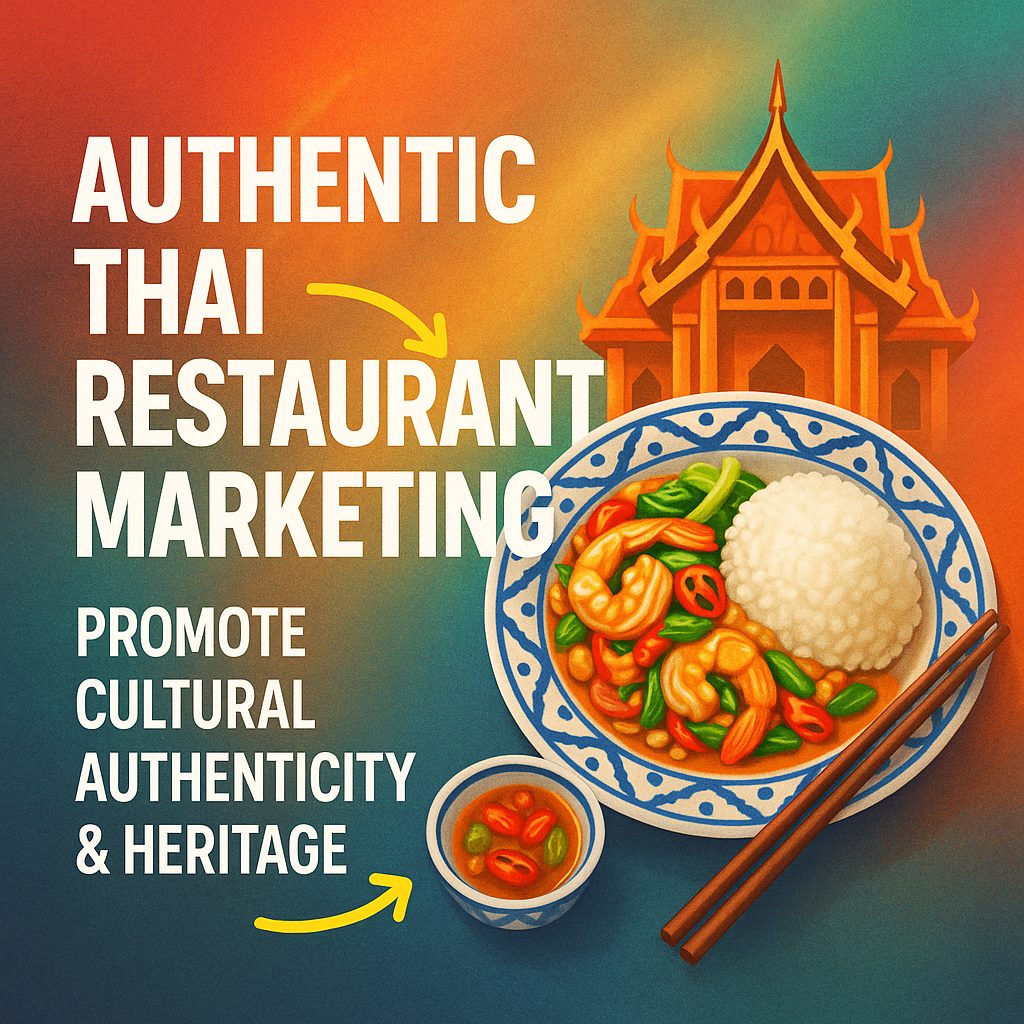
For Thai restaurant marketers, crafting a narrative around these dishes involves highlighting this blend of authenticity and local adaptation. Using relatable imagery and stories that speak to both heritage and inclusion are crucial in creating a lasting impression on diverse customer bases.
# Marketing Tips for Thai Restaurants Targeting Diasporas
1. **Highlight Signature Dishes**: Use digital platforms to describe the flavors, history, and cultural significance of each dish. Authentic storytelling connects emotionally with potential diners.
2. **Incorporate Fusion Elements**: Experiment with local ingredients to create unique Thai-fusion dishes that cater to local preferences without diluting authenticity.
3. **Host Cultural Events**: Celebrations of Thai festivals or cooking demonstrations can bring people through the door and create a sense of community.
4. **Build Partnerships**: Collaborate with local Thai communities or organizations to reach out to expatriates and diaspora who can be both patrons and advocates.
5. **Leverage Social Media**: Share visually appealing content that showcases the vibrant nature of Thai dishes, capturing both the heart and palate of viewers.
By addressing these elements, Thai restaurants can thrive, building bridges across borders with food as their universal dialect. Whether it’s through a steamy bowl of Tom Yum or a sweet bite of Mango Sticky Rice, Thai cuisine continues to delight palates and unite cultures across the globe.

0 Comments