
As the world continues to shrink through globalization, our collective palate expands, bringing a wealth of flavors from all corners of the globe right to our dinner tables. Thai cuisine, with its vibrant mix of fresh ingredients and bold flavors, has emerged as a standout on the international stage, capturing hearts and taste buds everywhere. This trend owes much to the Thai diaspora, expat Thai communities, and innovative marketing strategies spearheaded by Thai restaurants seeking to introduce this divine culinary tradition to new audiences.
One cannot discuss the popularity of Thai cuisine without acknowledging the significant influence of the Thai diaspora. Spanning continents from North America to Europe and beyond, Thai expatriates have been pivotal in planting the seeds of their native culinary practices in foreign lands. Their unique blend of authentic recipes with locally-sourced ingredients offers diners a true taste of Thailand, even when oceans apart. This global proliferation of Thai restaurants can largely be attributed to the expat community’s commitment to preserving their rich culinary heritage, whether through family-owned local eateries or high-end dining establishments.
Expat Thai communities often act as cultural ambassadors, sharing the essence of their traditional dishes while adjusting recipes to meet regional tastes and dietary preferences. The result is an ever-evolving menu that remains firmly rooted in classic Thai cooking principles while embracing innovation and customization. This dual approach ensures that the wonders of Thai food remain accessible and exciting, intriguing a broader spectrum of adventurous diners who seek both authenticity and novelty.
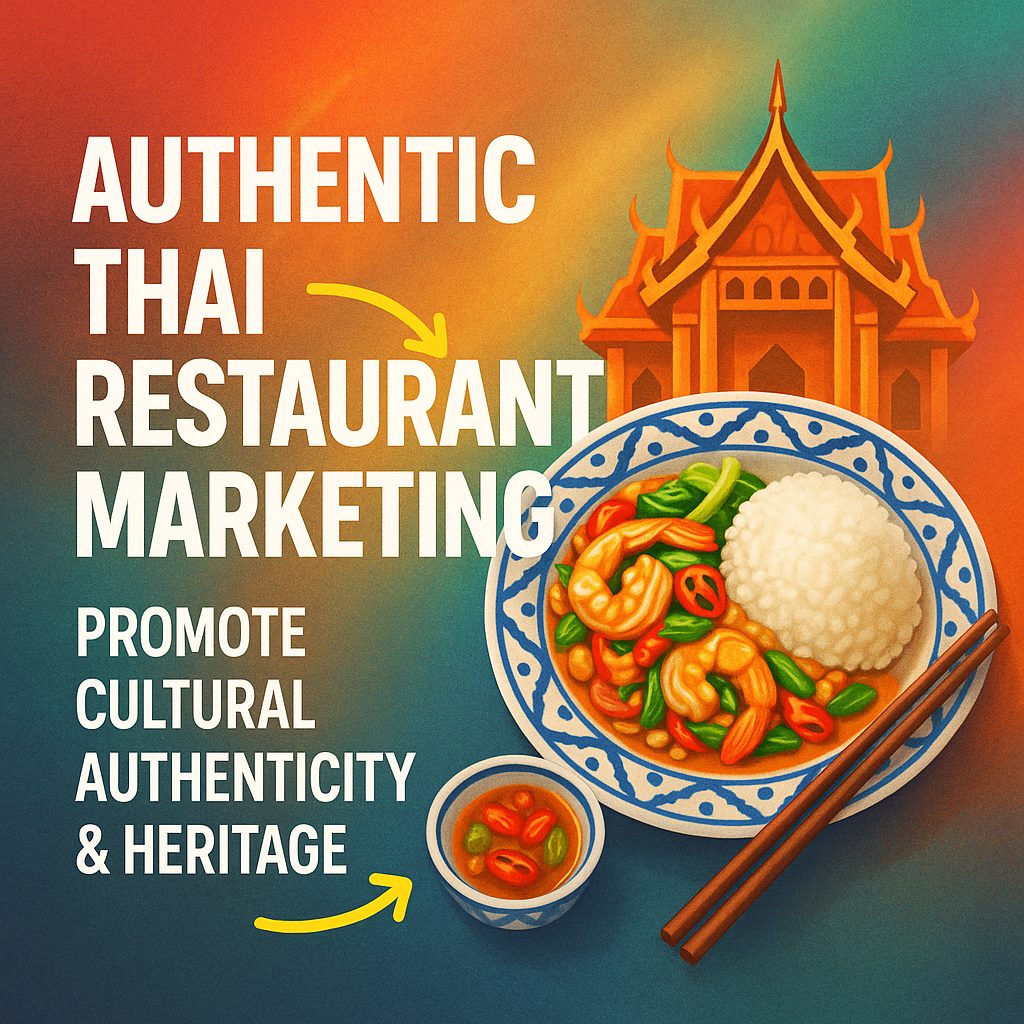
Marketing plays a crucial role in Thai cuisine’s meteoric rise on the global gourmet scene. Thai restaurants are increasingly adopting clever marketing strategies to stand out in a crowded marketplace. Digital marketing, particularly through social media platforms like Instagram, allows restaurateurs to showcase artful culinary creations. The visually stunning presentation of Thai dishes—think vibrant curries and noodle dishes brimming with color—serves as an immediate hook, capturing the attention of food enthusiasts and influencers alike.
Moreover, Thai restaurants often capitalize on experiential dining concepts to enhance their appeal. Cooking classes, traditional cultural performances, and themed dining nights are just some of the creative approaches that engage customers and deepen their appreciation for Thai culture. Crafting unique dining experiences encourages repeat visits while generating word-of-mouth and social media buzz, fostering lasting relationships within the community and beyond.
For restaurateurs seeking to carve out a niche in the competitive culinary market, focusing on low-competition keywords related to Thailand’s rich cultural tapestry could prove invaluable. By honing in on the authentic experiences that expat communities bring to the table and leveraging those distinctive elements, restaurants can attract those curious about the genuine flavors and traditions of Thailand.
In conclusion, the burgeoning success of Thai cuisine as a global gourmet trend highlights the power of tradition combined with innovation. The dedication of the Thai diaspora and expat Thai communities, coupled with savvy marketing strategies, ensures that the delightful flavors of Thailand continue to enchant and captivate audiences around the world. As Thai restaurants continue to flourish, they do so not just as purveyors of delicious dishes, but as vibrant cultural havens that celebrate and preserve the artful culinary creations of Thailand.

0 Comments