
Exploring the alluring depths of authentic Thai cuisine offers more than just a culinary journey; it’s a voyage into the heart of Thai culture and heritage. For restaurateurs, particularly those operating outside of Thailand, capturing the authentic flavors that envelop the streets of Bangkok or sail through the floating markets is both an art and a science. As Thai restaurants take root globally, understanding the secrets that boost the flavors of Thai cuisine becomes essential. Here are some insights gleaned from successful restaurateurs and chefs who have managed to bring the true taste of Thailand to the expat and diaspora Thai communities across the world.
**The Power of Fresh Ingredients**
At the core of authentic Thai cuisine lies the use of fresh ingredients. It’s not just about the spices or the heat; it’s the harmony of flavors that makes Thai dishes unforgettable. Fresh lemongrass, Kaffir lime leaves, Thai basil, and galangal are just a few key ingredients that make all the difference. Thai restaurateurs emphasize sourcing fresh produce as locally as possible, or even importing directly from Thai markets, to maintain that authentic taste. Some restaurateurs have created their own herb gardens, ensuring that the essential herbs are flavorful and fresh.
**Understanding the Balance of Flavors**
Authentic Thai food is all about balance—sweet, sour, salty, and spicy. The delicate balance is a signature of Thai cuisine and critical for authenticity. According to several successful Thai restaurateurs, training chefs to understand and perfect this balance is a continuous task. For the expat Thai communities, it’s this subtle yet sophisticated balance that evokes a sense of nostalgia. Restaurateurs often conduct taste-testing sessions, involving Thai locals, to ensure every dish captures the true essence of Thai flavors.
**Revitalizing Traditional Recipes**
Restaurateurs benefit by paying homage to traditional recipes that have been passed down through generations. This involves more than merely following recipes; it often requires returning to one’s roots or collaborating with culinary experts from the Thai diaspora. Several successful restaurants offer a rotating menu of classic dishes, some staying true to their origins, while others are modern reinventions that respect traditional techniques and flavors.
**Creating a Thai Atmosphere**
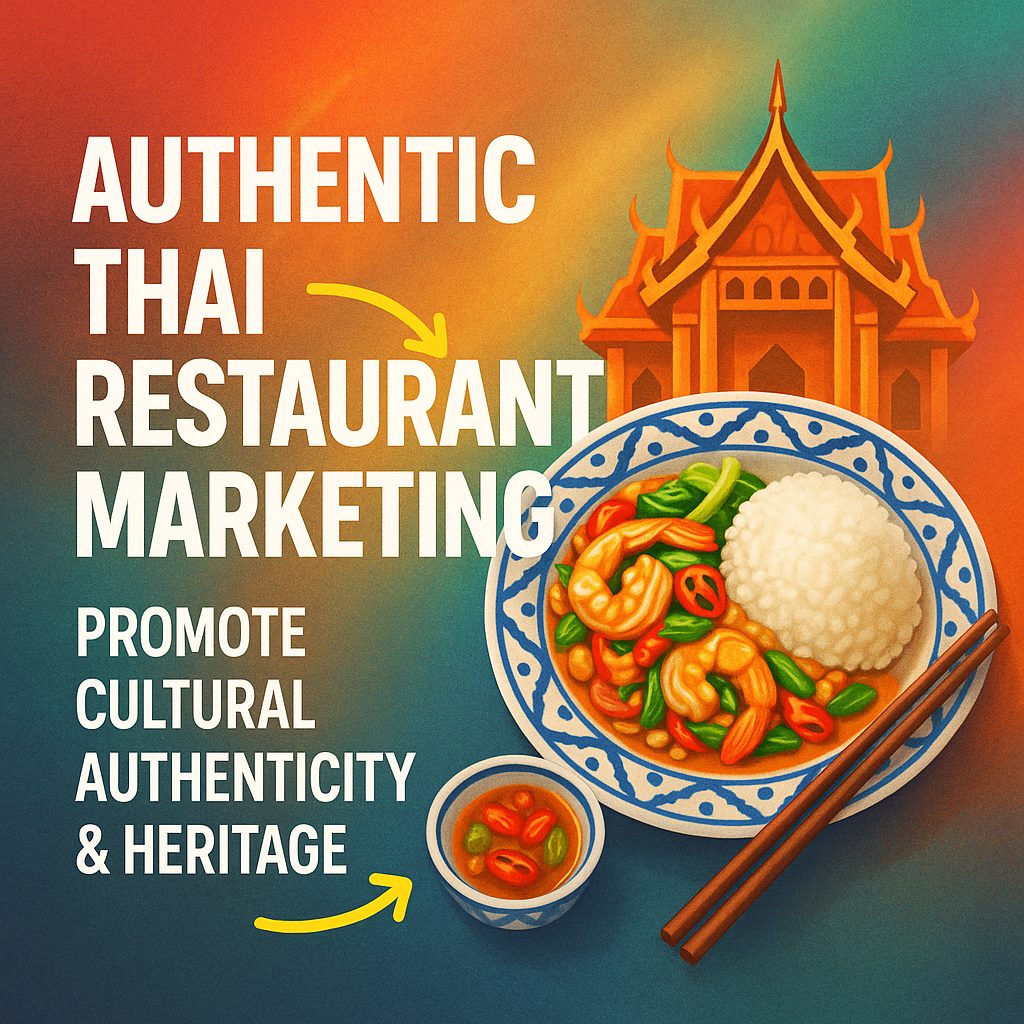
The authenticity of a Thai dining experience doesn’t end with the food. Many thriving Thai restaurants focus on creating an environment that transports their guests to Thailand. This includes traditional Thai décor, tableware, and even music. Marketing for such restaurants highlights not only the menu but also the “journey to Thailand” that guests are about to embark on. Restaurateurs have found success by marketing the experience rather than just the food, attracting both Thai expats looking for a reminder of home and curious newcomers enamored by the allure of Thai culture.
**Engaging the Community**
Successful Thai restaurants often engage actively with both the Thai diaspora and the local community. Hosting Thai festivals, cooking classes, and cultural events not only adds depth to the restaurant’s identity but also strengthens the tie with the diaspora who often crave a sense of community. Marketing strategies often focus on these community activities via social media platforms and local event listings, creating a buzz that naturally attracts both locals and expats.
**Utilizing Modern Marketing Methods**
In today’s digital age, marketing for Thai restaurants has gone beyond the traditional. Restaurateurs are utilizing social media, food bloggers, and influencers who specialize in Asian cuisines to reach a wider audience. Keywords tailored to attract both Thai diaspora and culinary adventurers are crucial. Marketing efforts are visible not only in English but often in Thai, directly targeting the Thai speaking expats. This bi-lingual approach is coupled with visually appealing content that emphasizes the authenticity and vibrancy of the dishes.
**Conclusion**
Creating and marketing authentic Thai cuisine is a refined balancing act of flavor, tradition, and cultural experience. The restaurateurs who successfully bring the diverse and rich flavors of Thailand to new audiences share a commitment to authenticity and quality, both in the kitchen and in the dining experience. As the demand for genuine Thai cuisine grows, these businesses serve as exemplary models of how to intertwine culinary mastery with cultural storytelling.

0 Comments