
Exploring the rich tapestry of Thai cuisine is an adventure in flavor, aroma, and culture. For non-native chefs, capturing the heart of this beloved culinary tradition can be both a gratifying and challenging journey. Thai cuisine, known for its harmonious blend of sweet, sour, salty, and spicy flavors, offers an array of dishes that speak to its cultural richness and regional diversity. Here are some insight-packed tips for non-native chefs aiming to master Thai cooking, while understanding its diasporic significance and marketing potential for Thai restaurants in a global setting.
# Understand the Cultural Context
To truly embrace Thai cooking, begin with an appreciation for its cultural backdrop. Thai cuisine is deeply rooted in local traditions and has been influenced by neighboring countries like Malaysia, China, and India. Each region in Thailand offers its unique take on classic dishes – from the spicy curries of the South to the tangy salads of the Northeast (Isan). Understanding the history and regional diversity of these dishes can provide invaluable context crucial for authentic cooking.
# Master the Essential Ingredients
Central to capturing the essence of Thai cuisine is the mastery of its key ingredients. Fresh herbs like lemongrass, kaffir lime leaves, and Thai basil are staples. Fish sauce, shrimp paste, and palm sugar form the backbone of many recipes, offering the umami depth and subtle sweetness inherent in Thai cooking. Non-native chefs should seek out authentic sources for these ingredients, perhaps through Thai diaspora communities or specialized Asian markets.
# Embrace the Thai Cooking Techniques
Heat management and precision with timing are essential skills for a Thai chef. Stir-frying, grilling, and steaming are fundamental techniques. Food is often cooked quickly over high heat, preserving freshness and enhancing the natural flavors of ingredients. Non-native chefs should practice these techniques to achieve the texture and taste that epitomize Thai food.
# Connect with the Thai Diaspora
Engaging with the Thai diaspora can provide non-native chefs with unique opportunities to learn directly from authentic sources. They can participate in local Thai community events or seek mentorship from Thai chefs, gaining firsthand experience and insights. This community connection also helps in understanding the trickling influence of Thai cuisine globally, as adapted by the diaspora in various regions.
# Crafting a Marketing Strategy for Thai Restaurants
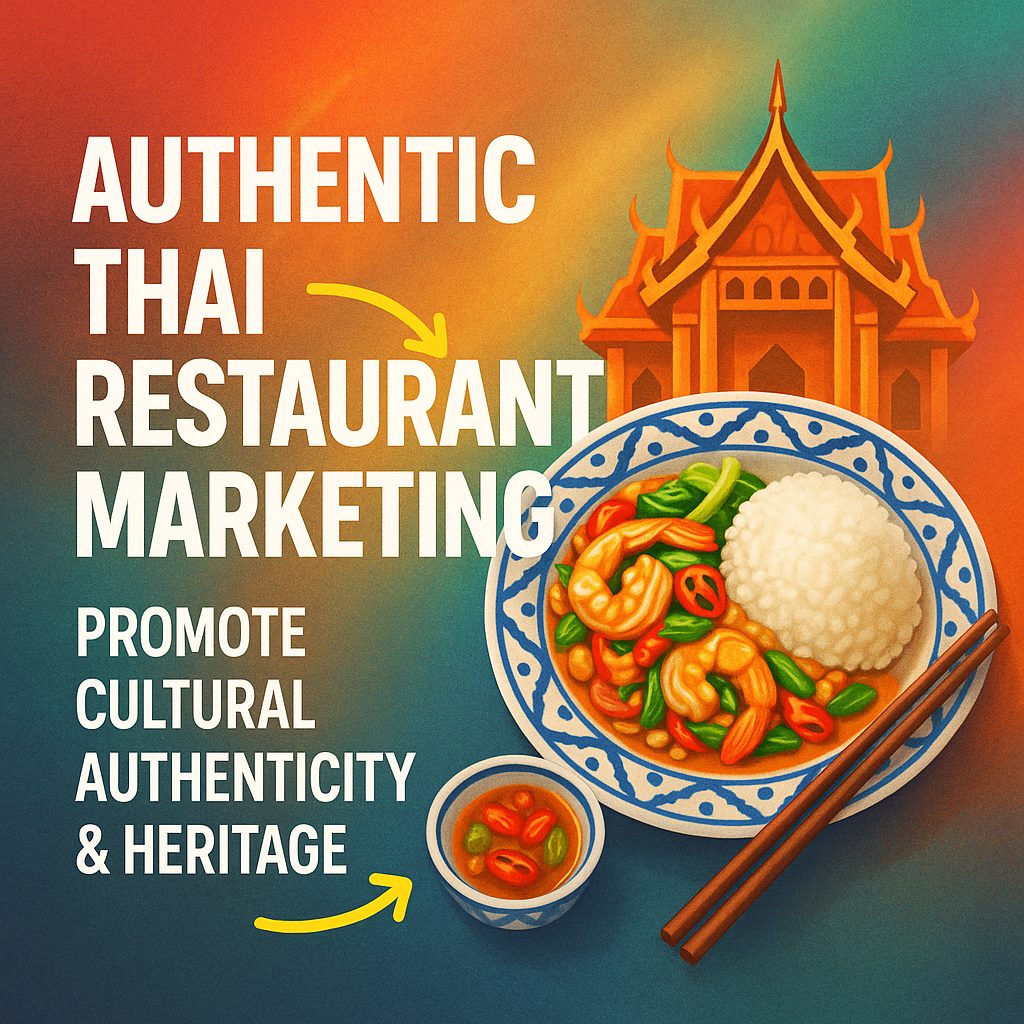
For expats and non-native chefs owning or working in Thai restaurants, a well-planned marketing strategy is essential. Highlighting the authenticity of ingredients and recipes can set your restaurant apart. Offer cooking classes or tasting events for those keen to learn more, positioning your restaurant as an educational as well as culinary destination. Social media channels can be employed to showcase the vibrant colors and stories behind each dish, connecting with a broader audience and creating an immersive brand narrative.
# A Commitment to Continuous Learning
Thai cuisine isn’t static; it’s continually evolving, absorbing influences and adapting to modern palates. Non-native chefs should be committed to ongoing learning. Experimentation, coupled with respect for traditional methods, will ensure that their culinary creations are both innovative and authentic, the true essence of Thai cooking.
In conclusion, the heart of Thai cuisine extends beyond mere ingredients or techniques. It’s about understanding its cultural heritage, forging connections within the Thai diaspora, and sharing an authentic culinary experience. By delving into these aspects, non-native chefs can authentically reproduce the vibrant, lively spirit of Thailand on a plate.

0 Comments