
For decades, the Thai diaspora has steadily spread its influence around the globe. Thai immigrants and their descendants have brought more than just their vibrant culture and rich traditions to the international stage. They have significantly shaped the global urbanscape, easing their way into the fabric of numerous metropolises and ultimately transforming them with a distinctly Thai flavour. From the food scenes to local arts and culture, let’s delve deep into this phenomenon.
Possibly the most visible and palatable influence of the Thai diaspora has been on the international food scene. Thai cuisine, with its aromatic spices, unique textures, and a perfect blend of sweet, salty, sour, and spicy flavours, has charmed palates around the world. Today, cities from London to Los Angeles are brimming with Thai restaurants, serving up authentic Pad Thai, spicy green curry, or tasty mango sticky rice.
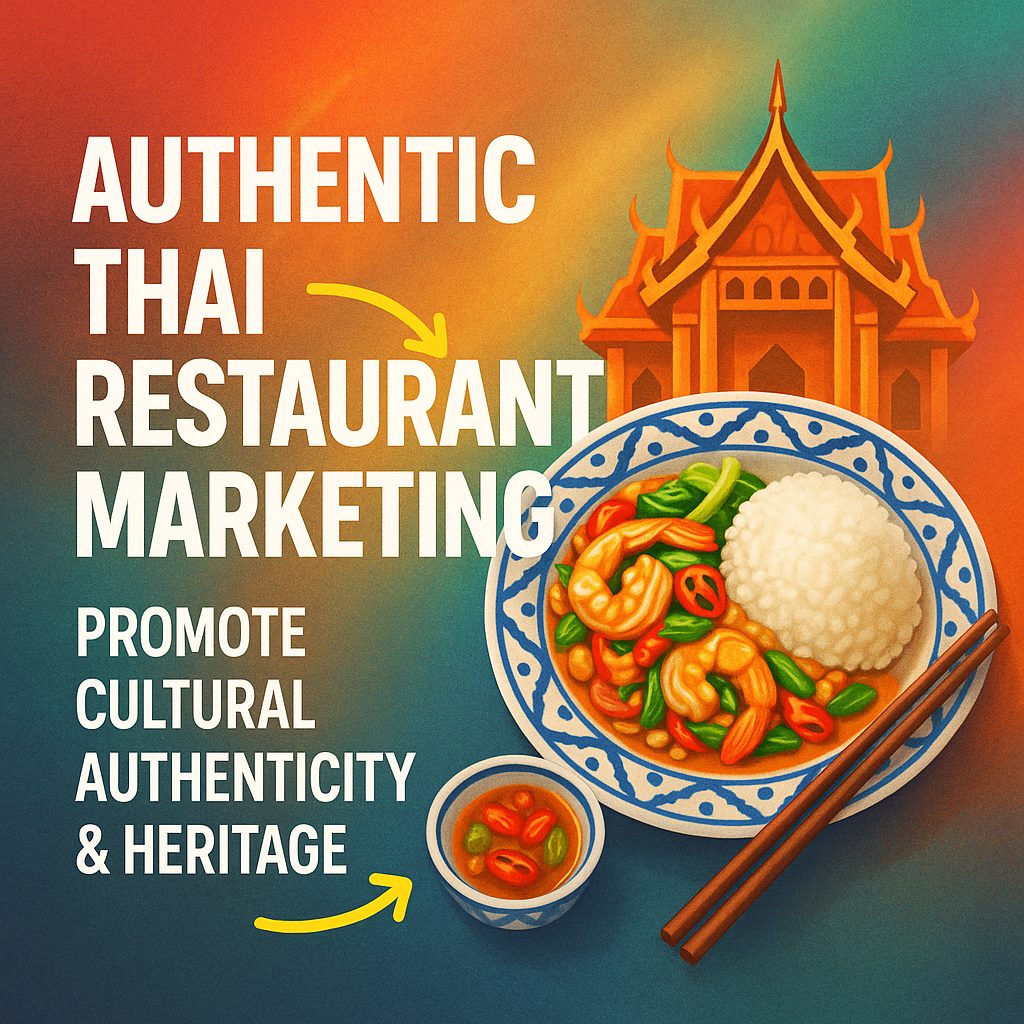
In the restaurant industry, marketing for Thai restaurants has played a crucial role in this popularization. Savvy restaurateurs have exploited the digital realm and utilized social media platforms to extend their reach and draw in potential customers. Their success is often a fusion of traditional Thai cooking techniques with local tastes, resulting in exciting new dishes that still pay homage to their Asian roots.
The influx of Expat Thais has also contributed to this cultural immersion. These individuals drawn away from their homeland for various reasons – work opportunities, study, or love – have become ambassadors of their culture, bringing authentic Thai experiences to otherwise foreign landscapes. Communities of Expat Thais often cluster in certain city districts, transforming them into mini-Thailands with their richly decorated Buddhist temples, Thai supermarkets selling fresh lemongrass and kaffir lime leaves, and Thai festivals that add a splash of colour and excitement to urban life.
Considering this broader image, the economic contribution of Expat Thais also can’t be overlooked. They not only uplift their native country through remittances but significantly contribute to the economic prosperity of their adopted homes, working in sectors ranging from hospitality and tourism to information technology and healthcare.
Finally, the Thai diaspora’s influence can not only be tasted and seen but also heard. Thai music, from traditional instruments to contemporary pop, has found a global platform, contributing to the multicultural soundtracks of international cities.
In conclusion, the Thai diaspora has not just moved homes but has reshaped urban landscapes around the world, injecting a global city feel with a unique Thai flavour. These transformations go beyond mere tokenism. They are substantive and sustained, creating a fluid exchange of culture, cuisine, and traditions that contribute to the vibrancy and diversity of our world’s great metropolises. And it is this diversity that makes each city a fascinating world on its own.

0 Comments