
Thai cuisine has long been celebrated for its vibrant flavors, aromatic spices, and the ability to perfectly balance elements of sweet, sour, salty, and spicy. But beyond its tantalizing dishes lies a deeper story—one that reflects Thailand’s rich culture and history, and its resonance around the globe. As the Thai diaspora grows, so does the influence of its culinary traditions. Here’s how Thai cuisine offers cultural insights from a global perspective, becoming not just a feast for the palate but also a dialogue of cultures.
# [The Flavor of Tradition]
Stepping into a Thai restaurant, one might notice the intricate blend of flavors that define each dish, a signature of tradition passed down through generations. This is illustrative of the importance of family and community in Thai culture, where recipes are treasured heirlooms. For those in the Thai diaspora, recreating these dishes becomes an act of preserving identity, especially when adjusting recipes to fit local ingredients abroad.
For expatriates, preparing traditional meals is a way to connect with their roots while introducing their culture to others. Thai cuisine is not just food; it’s a way of life that reflects hospitality, with many dishes designed for sharing. This communal eating experience is deeply rooted in Thai culture, where social bonds are strengthened over meals.
# [Global Influence of Thai Cuisine]
As Thai communities have spread to various corners of the world, so too have their culinary traditions. The emergence of Thai restaurants across continents is a testament to this global spread. Initially, these establishments served as community hubs for those far from home, but increasingly they have become gateways to Thai culture for non-Thais.
The global popularity of dishes like Pad Thai and Green Curry can be attributed to their universal appeal, but the subtle variations found in Thai food around the world reveal how it has adapted to new locales. These variations also highlight the ability of Thai cuisine to integrate with other cultures while maintaining its core identity, illustrating the resilience and adaptability of the Thai people.
# [The Role of Marketing in Thai Restaurant Success]
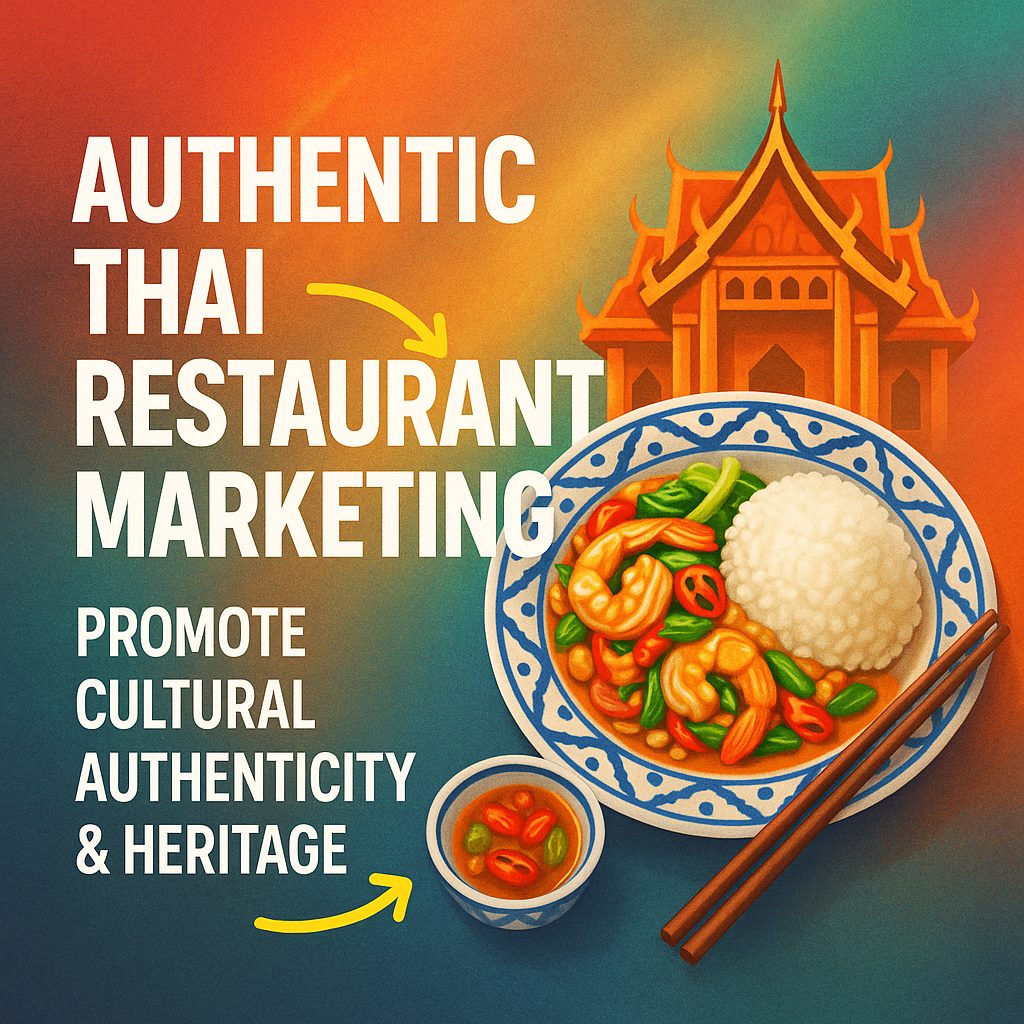
For those considering venturing into the Thai restaurant industry outside of Thailand, understanding the nuances of marketing for Thai restaurants is crucial. Successful Thai establishments often reflect authenticity not only in their menu offerings but also in their ambience and customer service. This means investing in decor that echoes Thai aesthetics and employing staff who can share the stories behind the dishes.
Additionally, marketing strategies should focus on educating potential customers about the cultural significance of Thai dishes. Utilizing digital platforms to share these stories can help attract diners who seek more than just a meal—they’re looking for an experience. Reaching out to local Thai communities can also bolster a restaurant’s reputation, as word-of-mouth among expatriates can be a powerful tool.
# [Cooking as Cultural Ambassadors]
From city streets to suburban neighborhoods, Thai food trucks and pop-up kitchens have emerged as ambassadors of Thai culture. These mobile venues offer an accessible introduction to Thai cooking and often cater to adventurous eaters eager to explore new tastes. For Thai expatriates, these businesses present an opportunity to share their heritage on a personal level, often fostering cross-cultural exchanges in informal settings.
Finally, home cooks within the Thai diaspora act as cultural custodians, often inviting friends and neighbors to partake in homemade feasts. These informal gatherings serve as cultural exchanges that bridge gaps in understanding, fostering appreciation and respect for diverse traditions.
# [Conclusion]
Thai cuisine is more than the sum of its flavors—it’s a global ambassador of Thai culture and an insightful lens into the lives of the Thai diaspora. As the world becomes more interconnected, the vibrant dishes of Thailand continue to tell stories of tradition, adaptation, and community. Whether you find yourself savoring a bowl of Tom Yum in Bangkok or enjoying a plate of Som Tum in New York City, remember that each dish carries with it the spirit of its people and a rich cultural narrative worth exploring.

0 Comments