
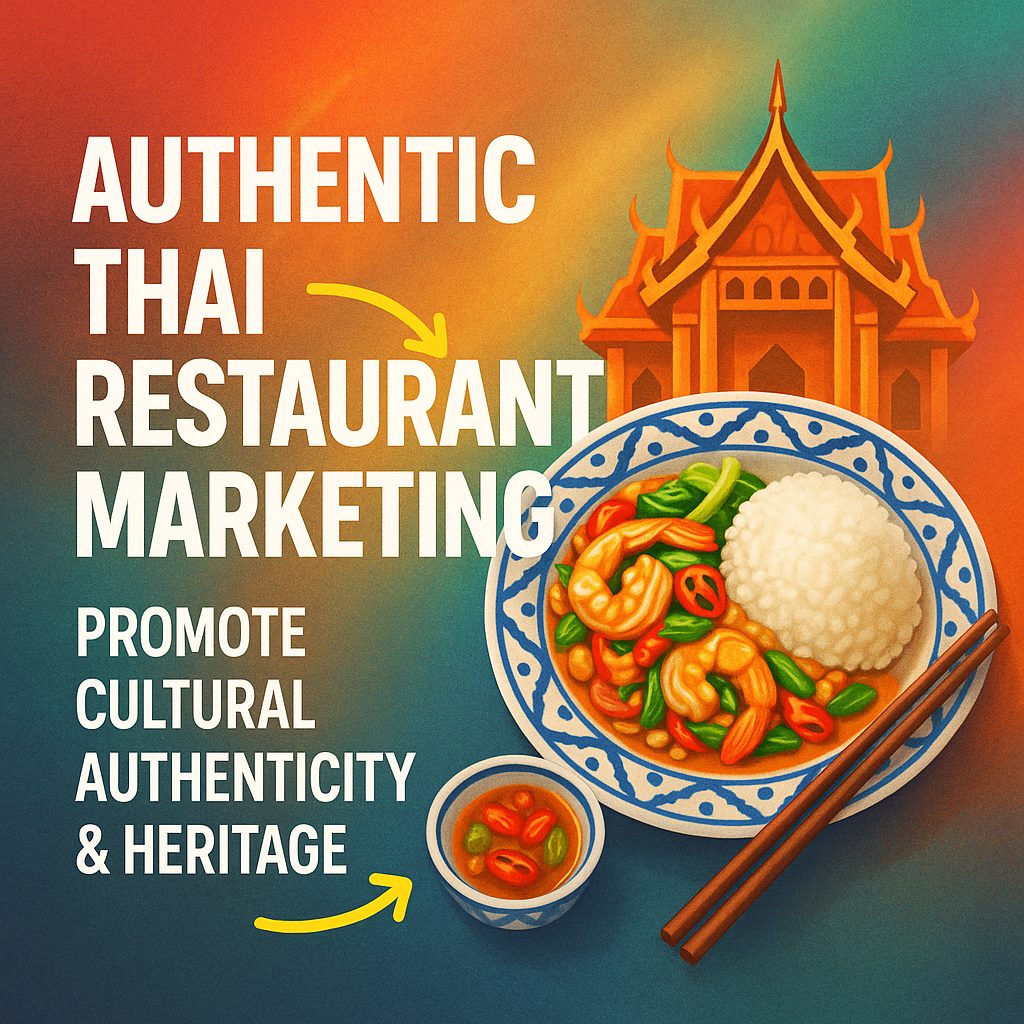
Introducing Thailand’s culinary delights to the Western world is not only a venture in gastronomy but also a cultural exchange. Thai cuisine, characterized by its vibrant aromas and rich flavors, is becoming a staple in many Western countries. For Thai restaurant owners in these regions, tapping into this trend requires effective marketing strategies that resonate with both the Thai diaspora and local patrons looking to explore Asian cuisines. Below, we delve into some specific tactics that can help Thai restaurants succeed in Western markets.
**1. Leverage the Power of Storytelling**
Every dish comes with a story, and sharing these narratives can captivate an audience. Use social media platforms to tell the story behind your recipes, the chef’s journey, or the cultural significance of certain dishes. This approach not only educates but also creates an emotional connection with customers, bridging the gap between exotic Thai flavors and Western palates.
**2. Authentic Experiences for Thai Expats**
Engage with the Thai diaspora by offering authentic food experiences that remind them of home. Hosting special events during Thai festivals, such as Songkran and Loi Krathong, can attract expats looking to celebrate their culture. Offering a menu authentic to local Thai street food can also appeal to this audience, ensuring they find flavors they miss from Thailand.
**3. Engage in Cultural Collaborations**
Partnering with local Asian markets, cultural festivals, and Thai associations can provide valuable exposure. Participating in food festivals and cook-offs can highlight your restaurant’s unique offerings to a broader audience. Collaborating on cultural events can also position your restaurant as an ambassador of Thai culture, attracting patrons interested in genuine cultural experiences.
**4. Optimize for Local Search**
To capture potential customers searching for Thai cuisine online, focus on local SEO tactics. Incorporate city-specific keywords and phrases such as “Thai restaurant in [City Name]” or “authentic Thai food near me” into your website content. Encouraging satisfied customers to leave positive reviews on platforms such as Google My Business and Yelp can significantly boost your local search rankings.
**5. Craft a Visually Appealing Online Presence**
Thai cuisine is as much about visual appeal as it is about flavor. Utilize platforms like Instagram and Pinterest, where the presentation of food can captivate an audience. High-quality photos of colorful dishes, set against the backdrop of a beautifully decorated restaurant space, can inspire potential customers to visit.
**6. Tailor Promotions to Diverse Audiences**
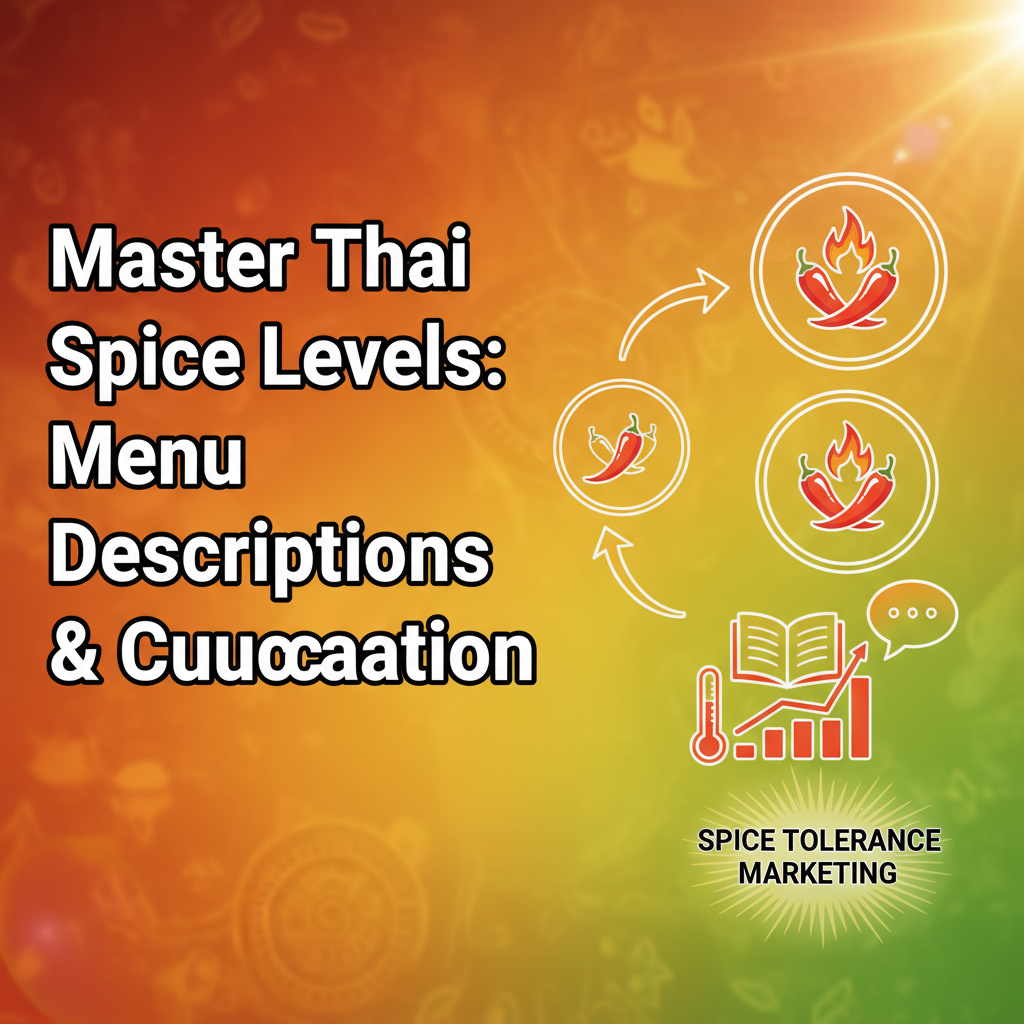
Understanding your target audience’s preferences is crucial. For example, Western audiences might prefer milder spice levels, so consider offering various spice options. Implementing loyalty programs and offering exclusive promotions to these specific customers can foster customer retention and elevate dining experiences.
**7. Connect Through Community Engagement**
Sponsor local events, charities, or sports teams to boost community engagement. By being part of the community, Thai restaurants can enhance their visibility and goodwill, attracting customers who value local business participation. Hosting cooking classes or offering meal kits can also engage the community interactively and educate them about Thai cuisine.
These strategies, tailored for the Western market, can help Thai restaurants cultivate a loyal customer base and thrive amid competition while maintaining the authenticity and richness of the Thai dining experience. By blending effective marketing tactics with cultural relevance, Thai restaurant owners can ensure their establishments are not just places to dine, but gateways to the flavors and traditions of Thailand.

0 Comments