Navigating life in a new country presents its own set of challenges and rewards, particularly for expats weaving their daily routines, celebrations, and diets between the rich tapestries of their native and adopted cultures. Thailand, with its captivating blend of tradition and modernity, is a unique locale for this cross-cultural experience. For expats, living in this vibrant Southeast Asian nation involves embracing the nuances of Thai culture while retaining aspects of their own—making for a truly enriching living experience.
One of the first cultural elements that expats encounter in Thailand is the Thai language. While many locals in larger cities like Bangkok or Chiang Mai speak English, learning basic Thai can be a valuable asset for expats. It fosters genuine connections and demonstrates a deep respect for the local culture. Many expats find joy in their increasing competency with the language as it enhances their experience, allowing for more meaningful interactions within their community.
Thai cuisine is another significant facet of the expatriate experience. Known for its flavorful dishes that artfully balance sweet, sour, salty, and spicy elements, Thai food is an adventure in itself. For expats, diving into the local culinary scene is not just about savoring delectable dishes but becoming part of a broader community narrative. Street stalls offer up delights like pad Thai and som tam, while more adventurous souls may find themselves embraced by the pungent allure of durian or the fiery thrill of bird’s eye chilies.
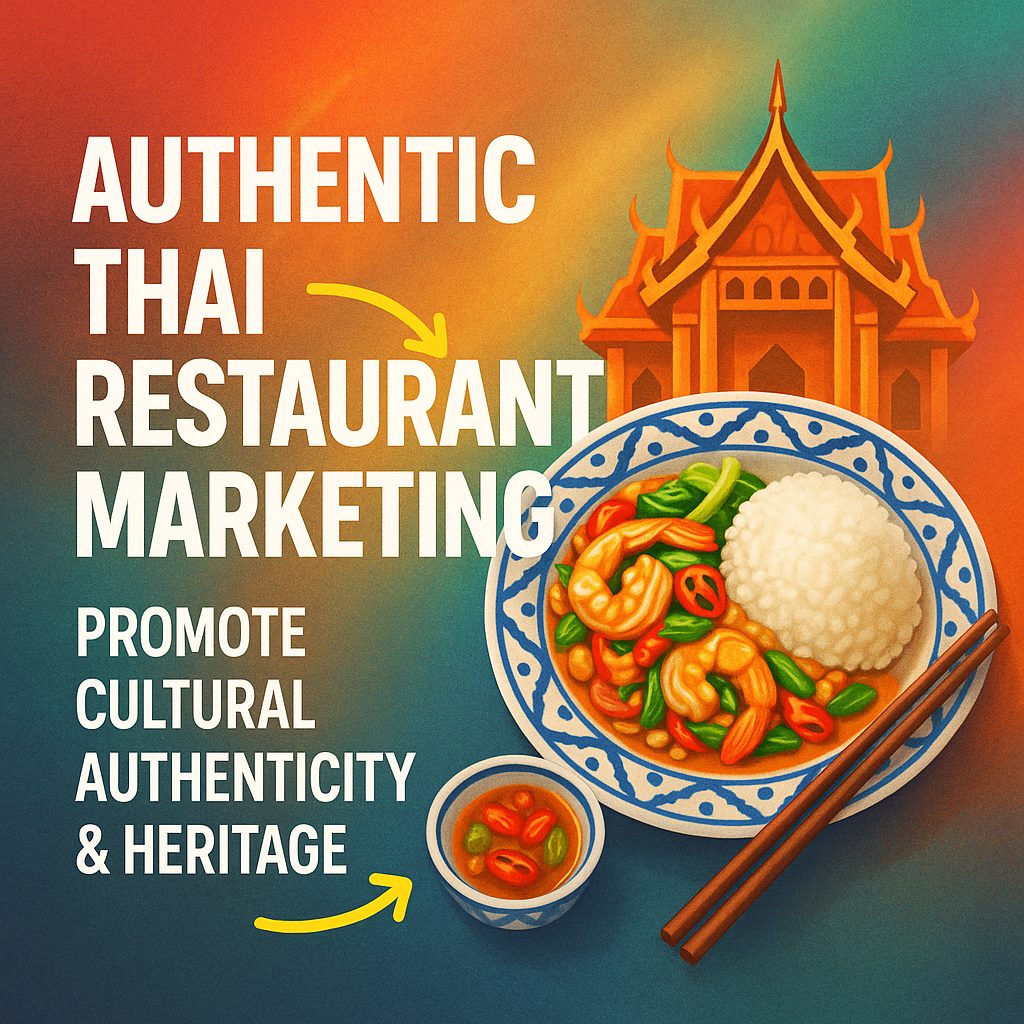
Those who choose to open restaurants often find that marketing for Thai restaurants involves a delicate balance of authenticity and adaptation. Expats who want to bring a taste of their own culture into their establishments should pay attention to both the presentation and authenticity of flavors, while incorporating local preferences. This could mean offering fusion dishes or supporting local farmers to source ingredients, ultimately enhancing the dining experience and widening the restaurant’s appeal.
The communal aspect of dining is also central to Thai culture, something that expats quickly learn. Meals are seen as social gatherings, where dishes are shared among family and friends rather than being ordered individually. Adapting to this approach can deepen relationships and offer a richer understanding of Thai social dynamics. Whether it’s engaging in Songkran’s water festivals or taking part in Loi Krathong’s floating lantern ceremonies, expats find themselves continually enriched by integrating Thai traditions into their routine.
In a broader sense, life between cultures often leads to an identity that resonates with neither one nationality nor the other but rather exists uniquely as its own. This is perhaps one of the most impactful aspects of being an expat in Thailand—it offers the opportunity to draw from a diverse cultural palette, creating a life that is both uniquely individual and deeply connected to a new community.
Ultimately, thriving as an expat in Thailand requires open-mindedness and a willingness to engage deeply with both Thai culture and one’s own roots. This blending of experiences fosters a rewarding and multidimensional way of life, providing expats an enriching perspective that is both personal and globally informed.

0 Comments