
Thai cuisine, with its bold flavors and vibrant dishes, has taken the world by storm. From street vendors in Bangkok to fine dining establishments in global cities, Thai food has evolved in exquisite form and function. This evolution has been fueled by the creativity of the Thai diaspora and the strategic marketing of Thai-inspired restaurants. Let’s delve into how this transformation has not only shaped the culinary world but also attracted a hungry global audience eager for both authentic and modern Thai dining experiences.
# The Origins: Streets of Flavor
The culinary journey of Thai cuisine begins on the bustling streets of Thailand. Street vendors became the quintessential hallmark of Thai food culture, offering aromatic delights like Pad Thai, Som Tum (papaya salad), and Tom Yum Goong (spicy shrimp soup) at casual, affordable prices. These dishes characterized the essence of Thai flavors: a delicate balance of sweet, sour, salty, and spicy.
For expats and visitors, these street stalls provided not only sustenance but a cultural immersion. With the growing number of Thai expats and global travelers, the demand for these flavors and foods crossed borders. Thai street food began setting foot in new territories, planting the seeds for what would become a global fascination.
# Thai Diaspora: Cultural Ambassadors
As the Thai diaspora expanded, so did their influence in spreading Thai culture and cuisine abroad. Expats played a critical role as cultural ambassadors, establishing Thai restaurants in their new homes and nurturing local curiosity and taste for authentic Thai dishes. These early Thai restaurants typically mirrored the simplicity and casual atmosphere of Thai markets, catering to new audiences by maintaining affordable price points.
However, beyond just feeding appetites, these establishments became cultural havens, where authenticity was the bridge to win the trust of local patrons. As Thai culture took root in various locales, it also evolved, fusing local influences while maintaining core techniques and flavors that make Thai cuisine unique.
# From Humble Beginnings to Gourmet Heights
As the appetite for Thai cuisine grew, so did the ambition of restaurateurs. The demand for a more refined experience saw a new wave of Thai restaurants transforming the casual into the classy. This evolution moved Thai food into the realm of fine dining—a space once unthinkable for street fare.
These modern Thai establishments embraced a more sophisticated tone, with meticulously curated menus and elegant dining environments. However, the heart of Thai cuisine, with its authentic flavors and passion for harmony, remained. Chefs began incorporating haute cuisine techniques with ingredients and spices hailing from Thailand, offering a luxurious yet affordable experience.
# Marketing Thai Cuisine: A Recipe for Success
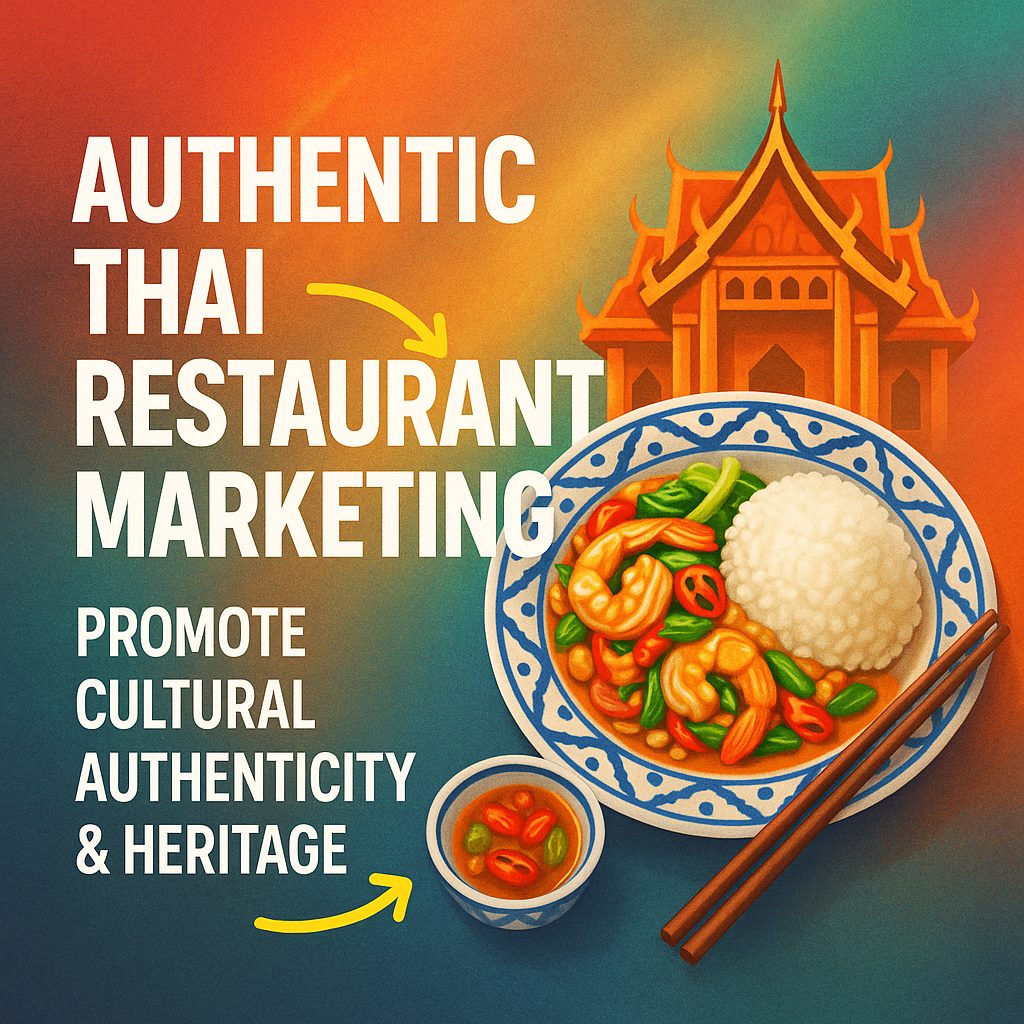
The successful marketing of Thai cuisine required a strategic blend of authentic storytelling, global trends, and local adaptations. Here, restaurateurs leveraged narratives around tradition and family recipes, bridging emotional connections with quality offerings. Many modern Thai eateries emphasize the narrative of heritage and craftsmanship in their marketing, which resonates well with global audiences seeking authenticity.
Social media has been instrumental in this evolution, with platforms like Instagram showcasing the art of Thai cooking through visually enticing content. This not only aids in reaching a broader audience but also aligns with trends of experiential dining—where people seek not just a meal, but a cultural odyssey.
# Conclusion: Future Tastes
The evolution of Thai cuisine from street vendors to fine dining establishments is a testament to its adaptability and global appeal. The creativity of the Thai diaspora, along with smart marketing strategies aligned with current trends, has ensured Thai cuisine continues to captivate the hearts and palates of food lovers worldwide.
As we move forward, Thai cuisine will likely continue evolving, with chefs experimenting with flavors while still adhering to the fundamental principles that make it so beloved. The future of Thai cuisine holds the promise of becoming even more intertwined with global culinary conversations, reaffirming its place on the world stage.

0 Comments