
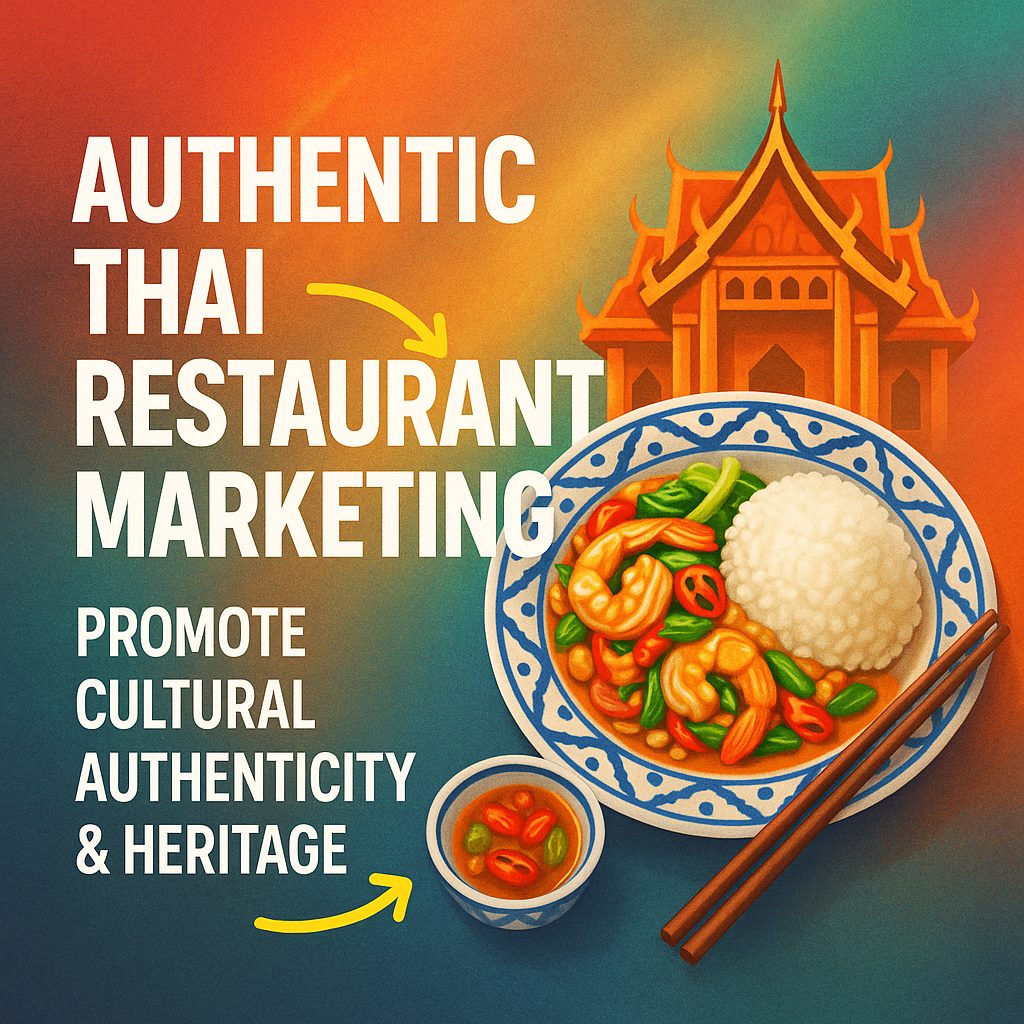
Creating an authentic Thai dining experience for foreign audiences requires more than just replicating the flavors of Thailand. It involves weaving together the cultural elements and hospitality that define the nation’s dining traditions. Hospitality is at the heart of Thai culture and, when harmonized effectively, can elevate a dining experience from simply eating a meal to embarking on a cultural journey. To create this experience, Thai restaurant owners and chefs must consider several key aspects that go beyond the cuisine itself and resonate with the expatriate Thai community, as well as intrigue foreign guests.
**1. Balancing Tradition and Innovation:**
For a Thai restaurant aiming to attract expatriates from Thailand and foreign audiences alike, authenticity in flavor is crucial. This starts with using traditional ingredients and cooking methods that echo the aromas and tastes of street vendors in Bangkok or a grandmother’s kitchen in Chiang Mai. However, while staying true to the essence of traditional Thai cooking, innovation should be embraced to appeal to diverse palettes and dietary preferences. Offering a menu that combines classic dishes such as Tom Yum Goong or Pad Thai with modern twists—perhaps a vegan Tom Kha or gluten-free options—can widen appeal without straying from authenticity.
**2. Creating a Culturally Inviting Atmosphere:**
Beyond the food, the ambiance should reflect Thailand’s rich cultural tapestry. Incorporate elements of Thai architecture and decor into the restaurant’s design—think teak wood furnishings, lotus flowers, and intricate carvings. Soft Thai music playing in the background and traditional Thai uniforms for the staff can also transport diners straight to the streets of Bangkok. These touches help create a space that feels both authentic and welcoming, allowing patrons to experience Thai culture first-hand.
**3. Emphasizing Thai Hospitality:**
In Thailand, the concept of “sanuk” emphasizes fun and living joyfully, while “namjai” refers to kindness displayed through open-hearted hospitality. Embracing these values in your service—greeting guests with a warm “sawasdee” and ensuring that each visitor feels attended to with genuine kindness—can significantly enhance the dining experience. It’s the little gestures—the lotus-folded napkins, the courteous server who takes the time to explain the menu—that can make patrons feel like cherished guests rather than customers.
**4. Engaging the Thai Diaspora and Expat Community:**
Marketing to the Thailand diaspora and expat community is a wise strategy. These individuals often crave the tastes of home and can become loyal patrons. Hosting cultural events, such as Thai New Year celebrations or Loy Krathong festivities, can attract this audience and provide them with a sense of belonging. Collaborations with local Thai organizations or partnerships with Thai chefs for pop-up dinners can also create buzz and authenticity that draws in both the expat community and curious locals.
**5. Storytelling Through Social Media:**
Harnessing the power of social media to tell the story of your restaurant can help in reaching a broader audience. Share picturesque images of your dishes, behind-the-scenes videos of food preparation, or staff sharing their personal connections to the cuisine. Engage with the audience by explaining the cultural significance behind certain dishes or ingredients. Highlight success stories of Thai expats in your community. This approach not only markets the restaurant but also educates and intrigues potential diners, encouraging them to try out an authentic Thai dining experience.
A harmonized approach that emphasizes authenticity in both cuisine and culture can captivate foreign audiences while resonating with Thai expatriates. By merging rich culinary traditions with heartfelt hospitality, Thai restaurants can create lasting impressions that turn a simple meal into an unforgettable cultural experience, one dish at a time.

0 Comments