
In the global cuisine market, there is a clear appreciation for the flavorful symphony that Thai cuisine offers. The explosion of Thai restaurants worldwide, serving sumptuous dishes like pad thai, green curry, and mango sticky rice, is a clear testament to Thai food’s growing popularity. But for Thai restaurants to truly thrive on foreign shores, adopting a strategic approach that ensures cultural sensitivity is absolutely vital. Understanding this crucial aspect can greatly enhance the chances of success in the fiercely competitive hospitality industry.
An in-depth comprehension of the Thailand diaspora, it’s cultural nuances and expectations are paramount when running a Thai restaurant abroad. Cultural sensitivity plays an integral role in the way customers perceive and experience your restaurant, impacting return visits, reviews, and word-of-mouth promotion.
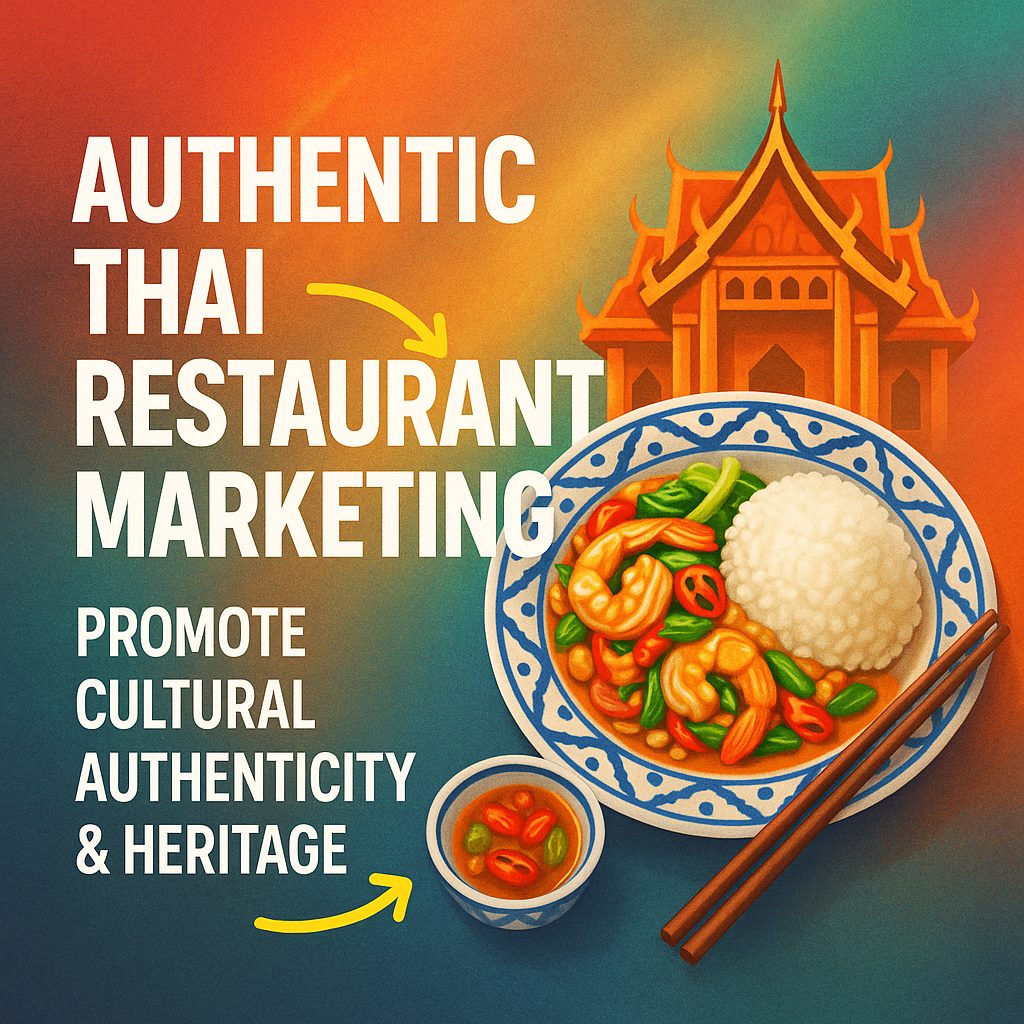
The experience of dining in a Thai restaurant should be more than just a meal – it should be a cultural immersion. For many expat Thai customers and other food enthusiasts, visiting a Thai restaurant is often driven by the aspiration to experience a slice of Thailand’s rich cultural heritage along with its spicy and aromatic dishes. This could be something as simple as showcasing Thai art and décor, staff dressed in traditional Thai attire, celebrating Thai festivals, or even including Thai cultural storytelling in the form of music and dance. This level of attention to detail can catapult a Thai restaurant from just another food outlet to a cultural destination, significantly increasing its appeal.
Taking into account the cultural preferences of the expat Thai community can also have a massive impact on the restaurant’s success. Cultural sensitivity is not just about how you present your restaurant, but also about the food you serve and how you serve it. Offering an authentic Thai menu, attention to authentic cooking techniques, and catering to the traditional Thai palates can make your restaurant a much sought after destination for expatriate Thais and locals alike.
Alongside these considerations, adopting a culturally sensitive marketing strategy for Thai restaurants can make a huge difference. Connect with local Thailand diaspora groups, participate in Thai community events and utilize social media not just to promote your business, but also to celebrate and raise awareness about Thai culture.
In our ever-connected world, the recipe for success for Thai restaurants extends beyond just great food! By demonstrating cultural sensitivity – understanding the nuances of Thai culture, valifying the insights of the expat Thai community and presenting a slice of Thailand in a foreign land – your Thai restaurant can earn a distinctive edge which translates into success.
In conclusion, the unique combination of delicious Thai cuisine coupled with an immersive cultural experience steeped in authenticity and sensitivity is what the world needs more of. By placing cultural sensitivity at the heart of your Thai restaurant, you can create an amazing dining experience that transcends borders and leaves a lasting impact on your customers’ palates and hearts.

0 Comments