
In the rich tapestry of global cuisines, Thai food stands out with its intricate balance of sweet, sour, salty, and spicy flavors that dance harmoniously on the palate. Yet, as Thai cuisine has traversed the globe, its traditional flavors have inevitably evolved, adapting to the diverse cultures and tastes of its new patrons. This evolution speaks volumes about the adaptability and dynamism of Thai food, offering a fascinating glance into how tradition can be both preserved and transformed.
The journey of Thai cuisine across different cultures is largely intertwined with the stories of the Thai diaspora and expat communities. As Thai nationals make their homes in different parts of the world, from bustling cities like Los Angeles to quieter retreats in provincial France, they bring with them the heart of Thai culinary tradition. However, the constraints and opportunities of their new environments often necessitate tweaks to traditional recipes.
In many Western countries, local Thai restaurants have become popular, often run by Thai expats eager to share their heritage while making necessary adjustments to appeal to local tastes. For instance, the heat level of authentic Thai dishes like Tom Yum or Pad Krapow is often toned down for Western palates not accustomed to intense spiciness. Ingredients also adapt; where traditional Thai recipes might call for local vegetables and herbs like kaffir lime leaves, these are sometimes replaced with more accessible alternatives in non-Asian markets.
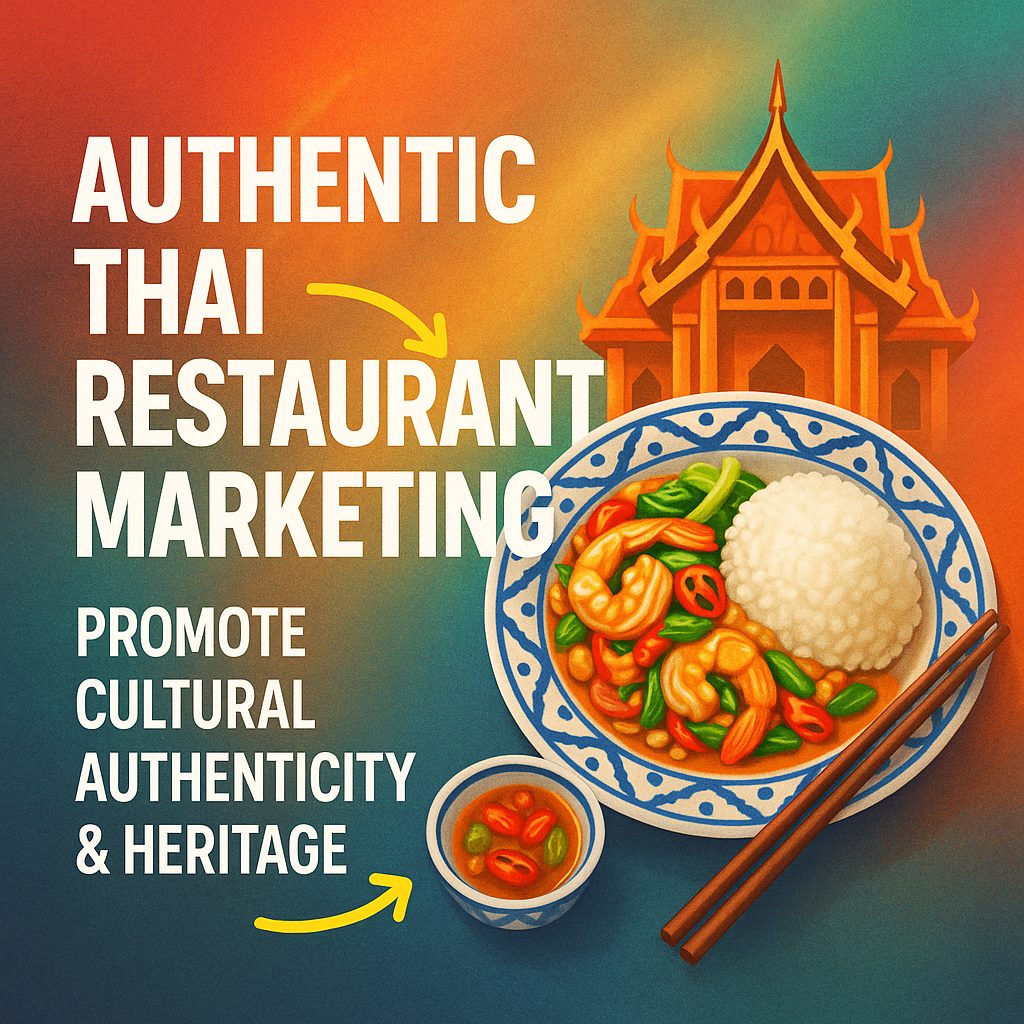
Moreover, the marketing strategy for Thai restaurants abroad often involves highlighting the exotic and unique aspects of the cuisine while subtly modifying the menu to align with local culinary trends. It’s not uncommon to find fusion dishes such as Thai tacos or green curry pizza, which cater to adventurous eaters while maintaining a base of Thai flavors. This fusion approach showcases the creativity inherent in Thai cooking, allowing it to resonate with a broader demographic.
In Australia and the United Kingdom, Thai cuisine has embraced dessert variations, with local influences bringing new twists to traditional sweets like mango sticky rice. The introduction of passionfruit or berries, for instance, caters to the local produce, creating a delightful fusion dessert. These adaptations are not seen as dilutions but rather as expansions of the Thai culinary narrative—an embrace of new flavors while paying homage to the traditional.
Another adaptation can be seen in the use of cutting-edge marketing techniques by Thai restauranteurs looking to increase their reach in foreign markets. Using digital platforms and social media, they showcase the aromatic-infused culinary experience through engaging content. These establishments often participate in local food festivals, presenting traditional Thai cultural elements such as fruit carving and Thai puppetry alongside their cuisine, to cultivate a deeper cultural appreciation among diners.
The story of Thai cuisine’s evolution is not a tale of losing tradition but rather an example of culinary adaptability that reflects global influences. It remains rooted in the traditional while welcoming the new, showing a harmony of cultures that is at the heart of the dining experience. As Thai flavors continue their journey, they ultimately contribute to a global cuisine narrative, revealing that at its heart, food is a universal language, evolving with the people who propagate it.

0 Comments