Living across different parts of the world, the Thai diaspora brings with them a rich blend of cultural history, traditions, and mouthwatering cuisines. The phenomenon of Thailand diaspora, creating an extension of Thai culture in different countries, is a fascinating subject to explore. We often recognize this diaspora mainly through incredible Thai restaurants popping up almost everywhere we go but there is a lot more to dive into.
The Thai diaspora affords us an opportunity to evaluate their cultural trends by identifying patterns in their living styles, religion, and heartwarming cuisines. Thus, we will explore this ever-expanding Thai diaspora culture in relation to marketing for Thai restaurants, expat Thai communities, and Thai cuisine.
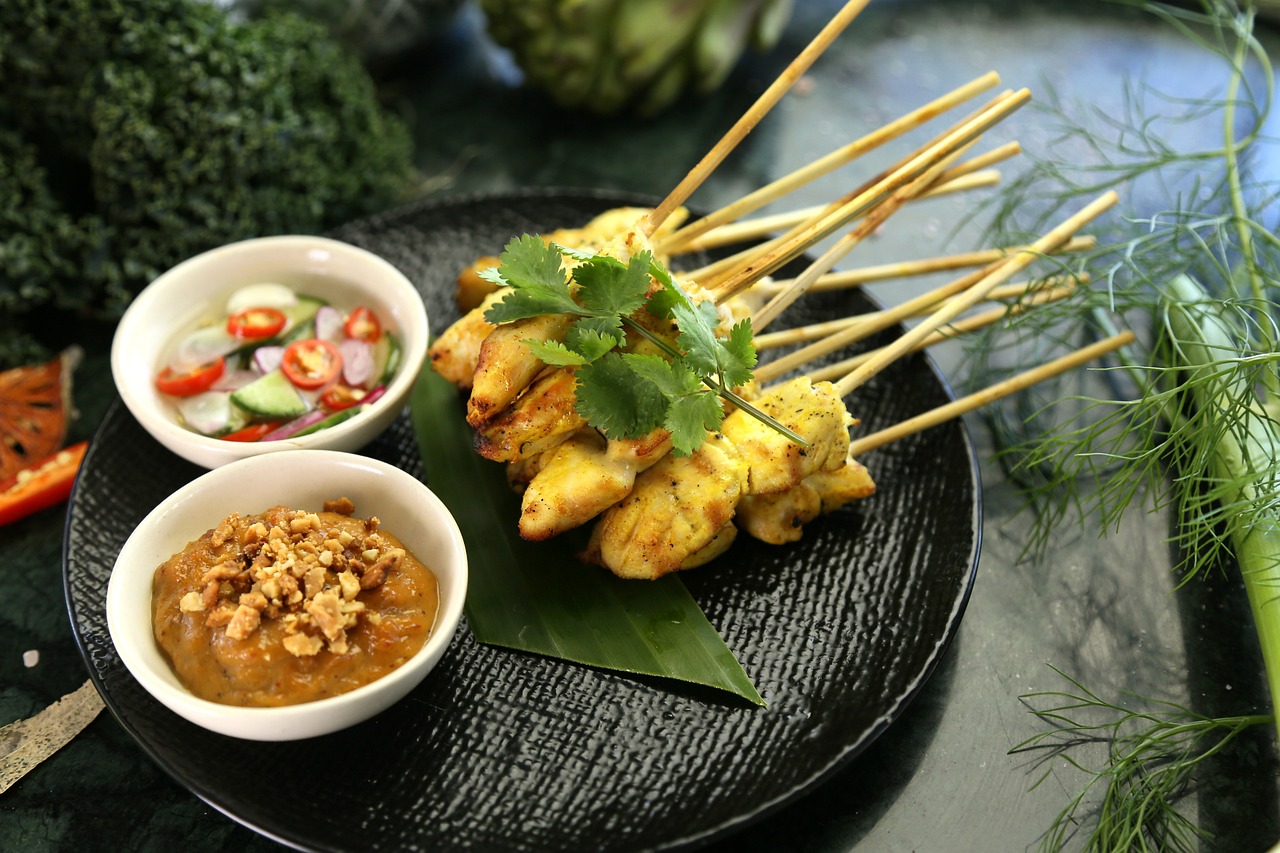
One significant trend that surrounds the Thai diaspora is the phenomenal Thai cuisine loved worldwide. Despite settling in regions with contrasting culinary traditions, the diaspora holds on closely to its Thai roots through food, a profound identity marker. Being food enthusiasts, the Thai diaspora holds the key to expanding the Thai culinary industry globally. From the local Thai green curry to exotic Tom Yum Goong, these flavor-rich foods are gaining popularity, drawing the interest of food bloggers, chefs, and food entrepreneurs. This food trend creates a lucrative business opportunity, making marketing for Thai restaurants an exciting venture to capitalize on.
Thai restaurants marketed aptly can become a cultural hotspot for people seeking an authentic culinary experience. Marketing for Thai restaurants thus goes hand-in-hand with promoting Thai culture. A successful marketing strategy for Thai restaurants often includes emphasizing the authenticity of the cuisine and ingredients, the traditional cooking methods, and the immersive Thai dining culture.
Moving away from Thai cuisine, the study of the expat Thai community brings forward a more profound understanding of the cultural trends among diaspora. Thais living abroad have formed strong communities, often seen in their bonding rituals – from local Buddhist temples to annual Thai festivals, sports activities, and native language classes. Such expat Thai communities also go lengths in helping new Thai migrants settle down, weaving a solid network away from home.
Religion plays an essential role in the expat Thai community; Buddhism being the predominant faith shapes their lifestyles and socio-cultural attitudes. Religion thus becomes a significant part of their identity and connects them to their homeland. The influence of Buddhism can be seen in the Art domain, where the diaspora reproduces Thai antiques, Buddha figures, and sculptures, popularizing Thai artistry abroad.
In conclusion, observing the cultural trends among the Thai diaspora gives a window into their strong ties to the homeland. By creating little Thailands through their gastronomical feats and strong expat Thai communities, they tell their stories. Through this fascinating trend exploration, businesses and curious minds alike can delve into understanding Thai culture, enriching their perspective and possible marketing strategies.

0 Comments