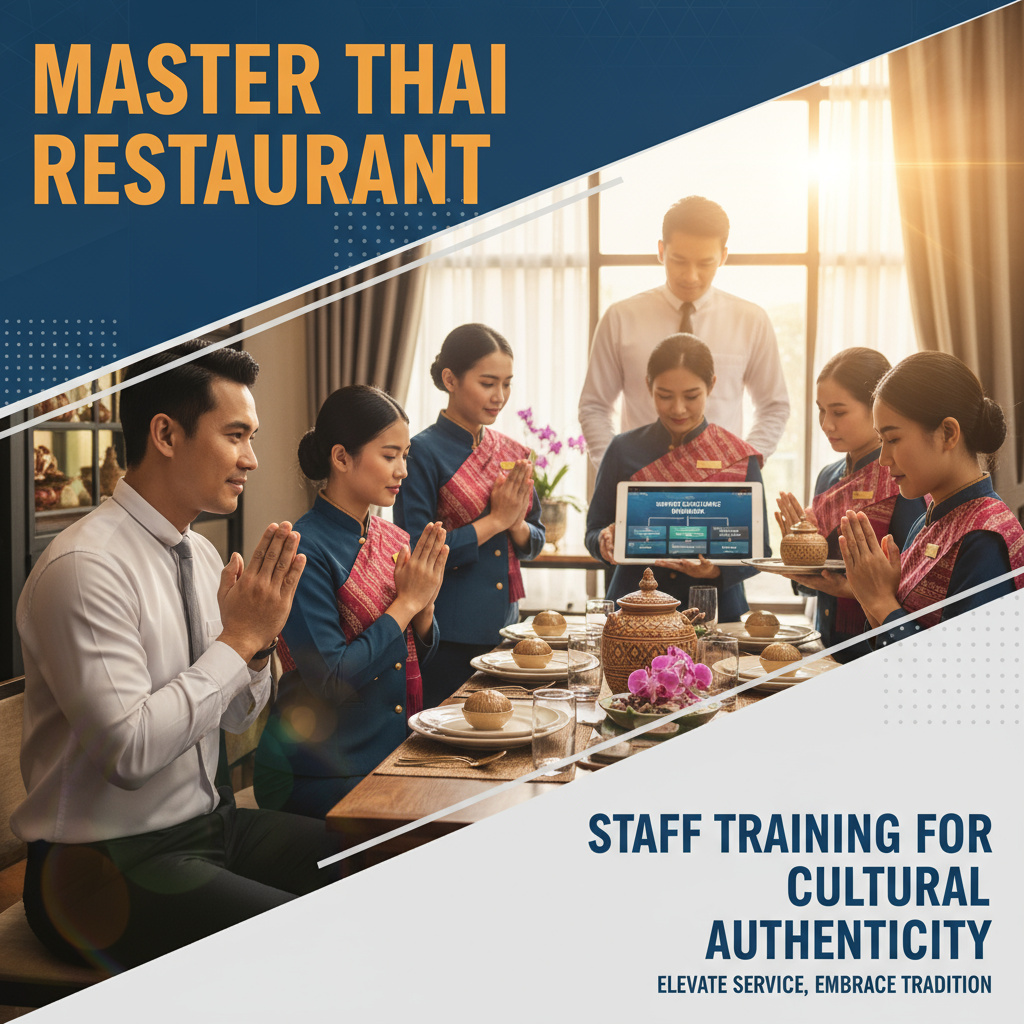
Master Thai Restaurant Staff Training for Cultural Authenticity
In the world of Thai cuisine, authenticity is more than a selling point—it’s the heart of the experience. For restaurant owners, ensuring that every staff member embodies this cultural essence is key to delighting customers and building loyalty. But how do you train your team to deliver the warmth and precision of Thai hospitality? This guide breaks it down.
Why Cultural Authenticity Matters
Authenticity isn’t just about food—it’s about creating an immersive experience. Here’s why it matters:
- Builds Trust: Customers return when they feel a genuine connection to your restaurant’s culture.
- Differentiates Your Brand: In a crowded market, authenticity sets you apart from competitors.
- Enhances Service Quality: Well-trained staff deliver memorable experiences that keep diners coming back.
Step 1: Define Your Cultural Standards
Before training begins, clarify what authenticity means for your restaurant:
- Menu Integrity: Ensure every dish reflects traditional recipes and cooking methods.
- Service Style: Train staff on the nuances of Thai dining etiquette and hospitality.
- Brand Story: Equip your team with knowledge about the origins and values behind your cuisine.
Example:
A successful Thai restaurant in Bangkok conducts monthly workshops where chefs share insights on regional dishes, ensuring that every staff member understands the culinary heritage.
Step 2: Create an Engaging Training Program
Effective training goes beyond lectures—it’s about hands-on learning. Here’s how to design a program that sticks:
- Interactive Workshops: Use cooking demos and role-playing to immerse staff in the experience.
- Guest Speakers: Invite seasoned chefs or cultural experts to share their knowledge.
- Continuous Learning: Implement a mentorship system where experienced staff guide newcomers.
Data-Driven Impact:
Restaurants that invest in staff training see a 20% increase in customer satisfaction and a 15% boost in employee retention, according to industry studies.
Step 3: Measure and Refine Your Approach
Training isn’t a one-time event. Regular evaluation ensures your program remains effective:
- Feedback Loops: Use surveys and performance reviews to gauge staff understanding and execution.
- Surprise Audits: Observe service quality during peak hours to identify areas for improvement.
- Adapt to Trends: Update training materials to reflect evolving customer preferences or culinary innovations.
Example:
A popular Thai eatery in New York City conducts quarterly refresher courses, keeping their staff aligned with the latest culinary trends and service expectations.
What It All Means
Mastering staff training for cultural authenticity isn’t just about food—it’s about creating unforgettable experiences. By investing in your team, you ensure that every plate, every smile, and every interaction reflects the true essence of Thai hospitality.
Your Next Move:
Ready to elevate your restaurant’s service? Start by implementing one training technique from this guide and watch the magic unfold.
How do you ensure your staff embodies your restaurant’s cultural values? Share your strategies below!

0 Comments