
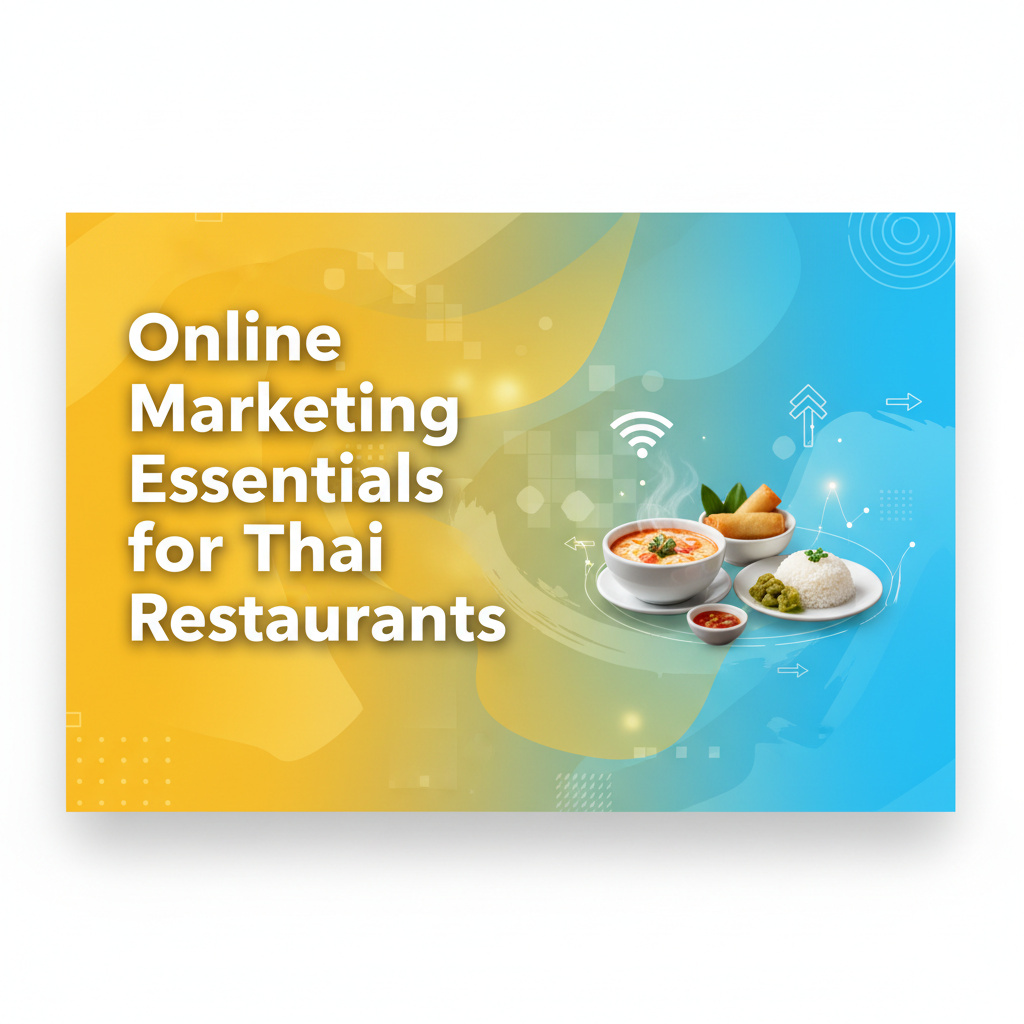
Online Marketing Essentials for Thai Restaurants
In a competitive culinary landscape, Thai restaurants must leverage online marketing to attract and retain customers. This guide outlines the essential strategies for growth and visibility.
Why Online Marketing Matters for Thai Restaurants
Online marketing is no longer optional; it’s essential. Here’s why:
- Increased Visibility: Reach potential customers searching for Thai cuisine in your area.
- Customer Engagement: Build relationships through social media and email marketing.
- Revenue Growth: Drive more foot traffic and online orders with targeted campaigns.
Step 1: Optimize Your Website
Your website is the digital storefront. Ensure it’s user-friendly and mobile-responsive:
- Menu and Pricing: Display your offerings clearly, with mouth-watering images.
- Online Ordering: Integrate a seamless ordering system for takeout and delivery.
- SEO Basics: Use local keywords like “best Thai restaurant in [City]” to improve search rankings.
Example:
Bangkok Bistro’s website features high-quality photos, an easy-to-navigate menu, and a blog with recipes and cooking tips, enhancing customer engagement.
Step 2: Leverage Social Media
Social media platforms are powerful tools for connecting with your audience:
- Instagram: Share vibrant photos of your dishes to entice food lovers.
- Facebook: Post updates, promotions, and events to engage your community.
- TikTok: Create fun videos showcasing your chefs or cooking techniques to reach younger audiences.
Tip:
Run a contest on Instagram where followers share their dining experience for a chance to win a free meal. This boosts engagement and expands your reach.
Step 3: Invest in Local SEO
Local SEO ensures your restaurant appears in search results when customers look for nearby dining options:
- Google Business Profile: Claim and optimize your listing with accurate info and photos.
- Online Reviews: Encourage satisfied customers to leave positive reviews on Google and Yelp.
- Local Backlinks: Partner with local bloggers or food critics to feature your restaurant.
Data Insight:
Restaurants with optimized Google Business Profiles see a 70% increase in customer calls and directions requests【6:0†source】.
Step 4: Use Email Marketing
Email marketing is a cost-effective way to keep customers informed and engaged:
- Monthly Newsletters: Share updates, special offers, and events.
- Loyalty Programs: Send exclusive discounts to repeat customers.
- Feedback Requests: Ask for input to improve your offerings and service.
Example:
Siam Spice sends a weekly email featuring a “Dish of the Week” discount, encouraging repeat visits and boosting sales.
Step 5: Track and Measure Success
Use analytics tools to evaluate the effectiveness of your campaigns:
- Website Analytics: Monitor traffic, bounce rates, and conversion rates.
- Social Media Insights: Track engagement, reach, and follower growth.
- Email Metrics: Measure open rates, click-through rates, and sales generated.
Tip:
Adjust your strategies based on data insights. For example, if Instagram posts generate more engagement than Facebook, focus your efforts there.
Conclusion: Spice Up Your Marketing Game
Online marketing is the secret ingredient for Thai restaurants looking to thrive. By optimizing your website, leveraging social media, and investing in local SEO, you’ll attract more customers and build a loyal following.
Ready to take your restaurant’s marketing to the next level? Let’s get started!

0 Comments