
Thai cuisine is a flavorful tapestry woven from a complex blend of fresh ingredients, distinct spices, and diverse culinary traditions. In recent years, this unique blend has captured the global palate, thanks in large part to the international Thai diaspora and expat Thai chefs who have carried the gastronomic legacy of their homeland abroad. As a result, Thai ingredients have begun to influence international diets in intriguing ways, introducing people across the world to new flavors, textures, and aromatic experiences.
One of the most noteworthy contributions of Thai cuisine is its harmonious balance of five fundamental flavors: sweet, sour, salty, bitter, and spicy. This balance is achieved through the use of traditional Thai ingredients. Lemongrass, kaffir lime leaves, galangal, and Thai bird’s eye chilies are just a few examples of ingredients that have found their way into international kitchens, offering a taste of Thailand’s explosive flavor profiles.
Among these ingredients, fish sauce stands out as an integral component not only in Thai cooking but increasingly in Western kitchens as well. Known for its umami-rich and savory taste, fish sauce enhances everything from stir-fries to marinades, contributing depth and complexity to many dishes. It’s not uncommon now for creative chefs around the world to develop fusion dishes that incorporate fish sauce into pastas, dressings, and even cocktails.
Coconut milk is another ingredient that has seen increased international usage, moving beyond traditional Thai curries to desserts, smoothies, and vegan recipes. Its creamy texture and mildly sweet flavor make it a versatile substitution for dairy, catering to the growing demand for plant-based and lactose-free options.
Moreover, the practice of incorporating herbs and spices such as basil, mint, cilantro, and tamarind from Thai cuisine has greatly diversified salads and soups on menus worldwide. Chefs interested in flavorsome, fresh, and health-conscious options often turn to these ingredients to add vibrancy and a nutritional boost to their offerings.
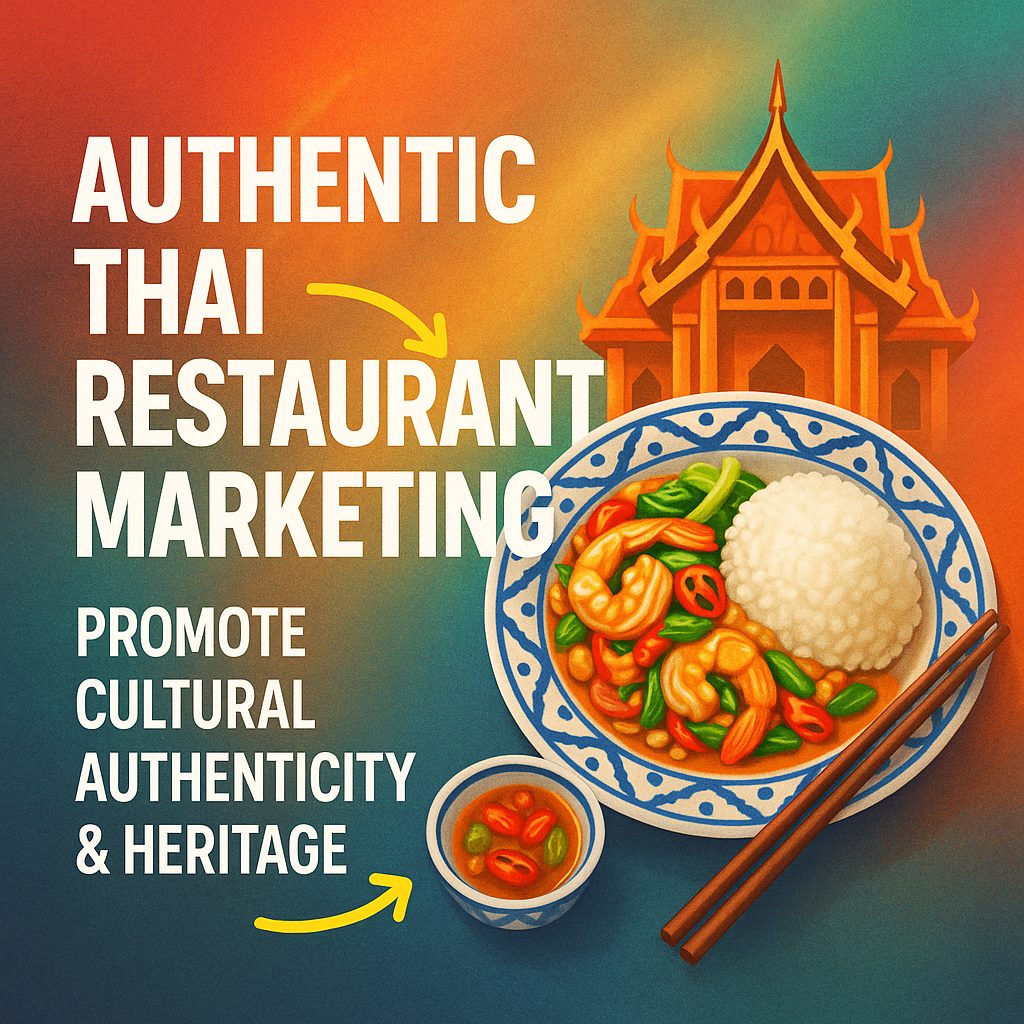
Marketing Thai restaurants internationally has played a crucial role in spreading these flavors. By promoting authentic ingredients and the aromatic appeal of Thai dishes, restaurateurs can distinguish their offerings in competitive culinary markets. Emphasizing traditional cooking methods, sourcing quality ingredients, and offering immersive dining experiences can attract both locals and tourists eager to explore Thai culture through its cuisine.
Furthermore, the Thai government’s initiative, “Thai Select,” awards a certification that authenticates the quality and authenticity of Thai restaurants globally, which serves as a marketing tool and assurance of the culinary experience patrons can expect.
This global influence of Thai cuisine is a testament to the richness of its culinary heritage and the innovative spirit of its diaspora. As people around the world continue to savor the vibrant tastes of Thailand, it’s fascinating to witness how these ingredients reshape international food landscapes, bridge cultural gaps, and foster a deeper appreciation for diverse culinary traditions.

0 Comments