
In the vibrant tapestry of global migration, the Thai diaspora stands out for its rich cultural contributions and resilience. Their stories, etched in lives reshaped and culinary traditions carried across oceans, shed light on how Thai communities have established themselves around the world, particularly in areas less commonly associated with Southeast Asian expatriates. From a flourishing culinary scene to innovative marketing for Thai restaurants, the cultural imprint of these communities continues to expand.
When discussing any diaspora, food often serves as the starting point—a delicious gateway to understanding cultural integration. Thai cuisine, renowned for its balance of sweet, sour, salty, and spicy flavors, has made an indelible impact on global palates. But the expansion of Thai restaurants isn’t simply about offering popular dishes like Pad Thai or Tom Yum. It involves a deep understanding of local markets, demographics, and culinary education.
One intriguing aspect of the Thai diaspora is how these communities adapt their cuisine to suit regional preferences without losing authenticity. An expat Thai in Germany, for instance, might introduce recipes that incorporate local vegetables or offer a milder version of their spiciest dishes to appeal to local tastes. These variations tell a story of resilience as much as creativity, as Thai restaurateurs balance maintaining tradition with the necessity of adaptation.
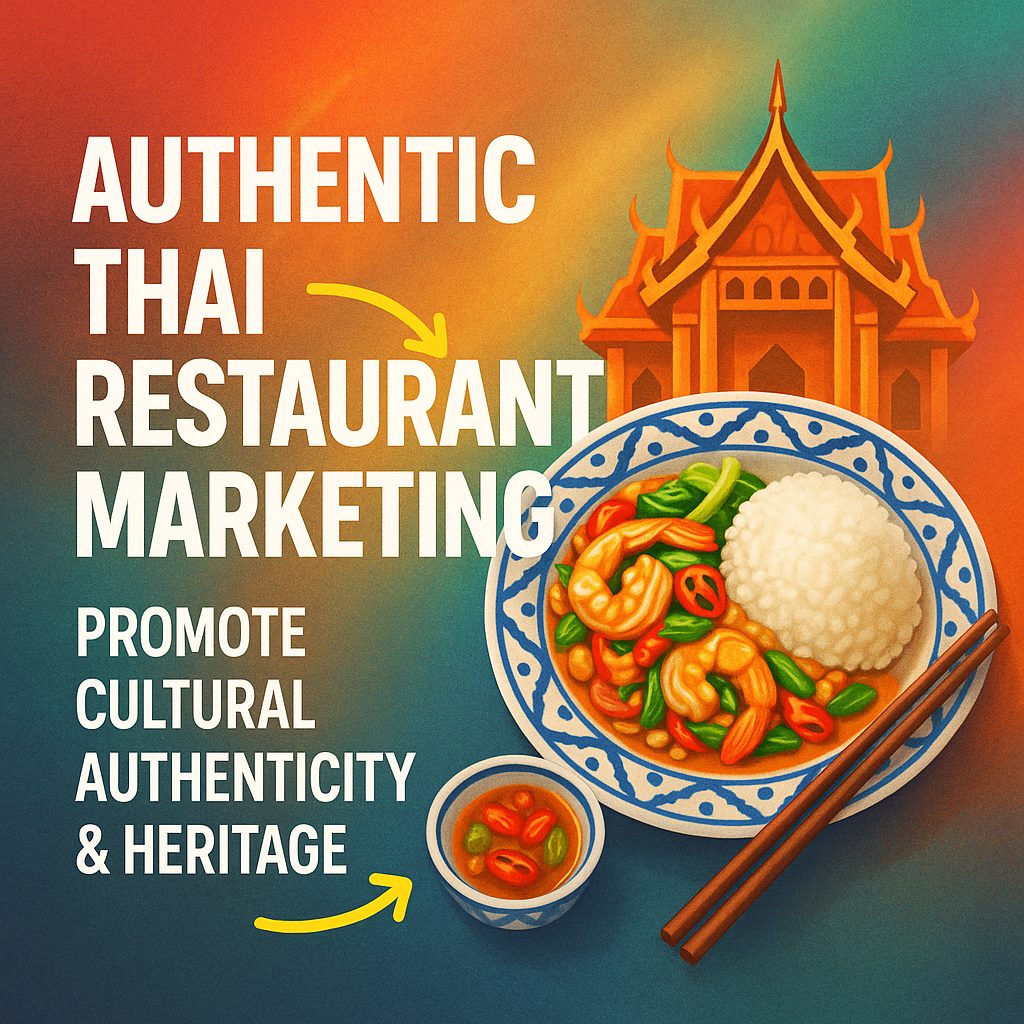
Marketing plays a crucial role in this cultural fusion. For Thai restaurant owners, effective marketing strategies can mean the difference between blending in and standing out. By embracing digital marketing techniques—such as search engine optimization for local audiences or targeted social media campaigns—restaurants can attract a broader clientele. Innovative approaches, such as offering virtual cooking classes or creating content that highlights the cultural stories behind each dish, allow these businesses to foster a deeper connection with their community.
Another compelling aspect of the Thai diaspora’s cultural influence is the sense of community it fosters. Thai expats often create strong support networks, assisting one another in business ventures and cultural preservation. These communities serve as cultural ambassadors, hosting festivals and events that celebrate Thai traditions, from Songkran water festivals to traditional Loy Krathong celebrations. Such events not only keep traditions alive but also invite others to participate, thereby expanding their cultural reach.
It’s essential to recognize the broader impact of these cultural exchanges. The economic contributions of the Thai diaspora extend beyond restaurants. They include businesses in diverse sectors, from tourism and hospitality to fashion and arts, all of which draw inspiration from Thai heritage. By doing so, they offer a more comprehensive understanding of what Thai culture encompasses—a blend of historical richness and contemporary innovation.
As the stories of the Thai diaspora unfold, they reveal an ongoing narrative of resilience—a testament to their ability to adapt, thrive, and leave a positive imprint on the world. Whether through the tantalizing aromas of a street-side food stall or the thoughtful integration of cultural elements in business, the Thai community continues to enrich the multicultural dialogue globally. Their ability to maintain cultural integrity while embracing change serves as an inspiring model for other immigrant communities navigating the complexities of global integration.

0 Comments