
In recent decades, Thai cuisine has emerged as a favorite among food enthusiasts worldwide, captivating taste buds with its rich flavors and exotic ingredients. What began as humble street food served in bustling markets of Thailand has made its way to prestigious dining rooms globally, thanks to both the creativity of Thai chefs and the increasing international palate’s readiness for new culinary experiences. This post explores how Thai food has evolved from casual street stalls to a staple feature of fine dining around the world, driven by the efforts of Thailand’s diaspora, expat Thai communities, and savvy restaurant marketers.
# The Journey Begins: Street Food Sensations
For years, Thailand’s vibrant street food culture has been the heart and soul of Thai dining. Offering an array of dishes like spicy papaya salad (som tam), succulent pork satay, and aromatic curries, these street vendors have skillfully coaxed bold flavors from simple, fresh ingredients. As Thailand’s diaspora began to grow, so too did the desire to share the comforting tastes of home with new communities abroad.
Initial attempts to introduce Thai food in foreign lands were often presented through quick service restaurants, seeking to replicate the fast-paced, informal dining experience of Thai street markets. These early establishments served as a crucial stepping stone, allowing locals to familiarize themselves with classic Thai flavors.
# Building Bridges: The Expat Influence
A growing number of Thai expatriates played an instrumental role in authenticating foreign perceptions of Thai cuisine as their communities expanded in cities across the globe. These communities brought with them family recipes and culinary traditions, enriching the diversity of Thai dining options available abroad. With their deep understanding of Thai culinary techniques and dedication to preserving authenticity, expat Thai restaurateurs have become vital ambassadors of the country’s gastronomic culture.
Their efforts have found a home in diverse settings—from bustling food courts to small neighborhood eateries—proving that Thai food can thrive in any environment when built on a foundation of authenticity and quality. The presence of these dedicated cooks has cemented Thai cuisine as more than just a fleeting trend, establishing it as a staple in multicultural urban centers.
# From Market Stalls to Michelin Stars: Entering Fine Dining
The rise of Thai cuisine into the sphere of fine dining signifies a remarkable transformation driven by innovative chefs willing to think beyond traditional boundaries. These culinary artists like Chef Pim Techamuanvivit of the Michelin-starred restaurant Kin Khao in San Francisco have reimagined classic dishes by introducing modern techniques and meticulous presentation, elevating the dining experience while retaining the soul of Thai flavors.
This marriage between tradition and modernity has helped Thai fine dining establishments capture the attention of food critics and earning accolades on prestigious global stages. Through this refined interpretation of Thai food, diners are introduced to the rich tapestry of the nation’s culinary artistry, which spans centuries of cultural influence and regional diversity.
# Marketing the Thai Experience: An Emphasis on Storytelling
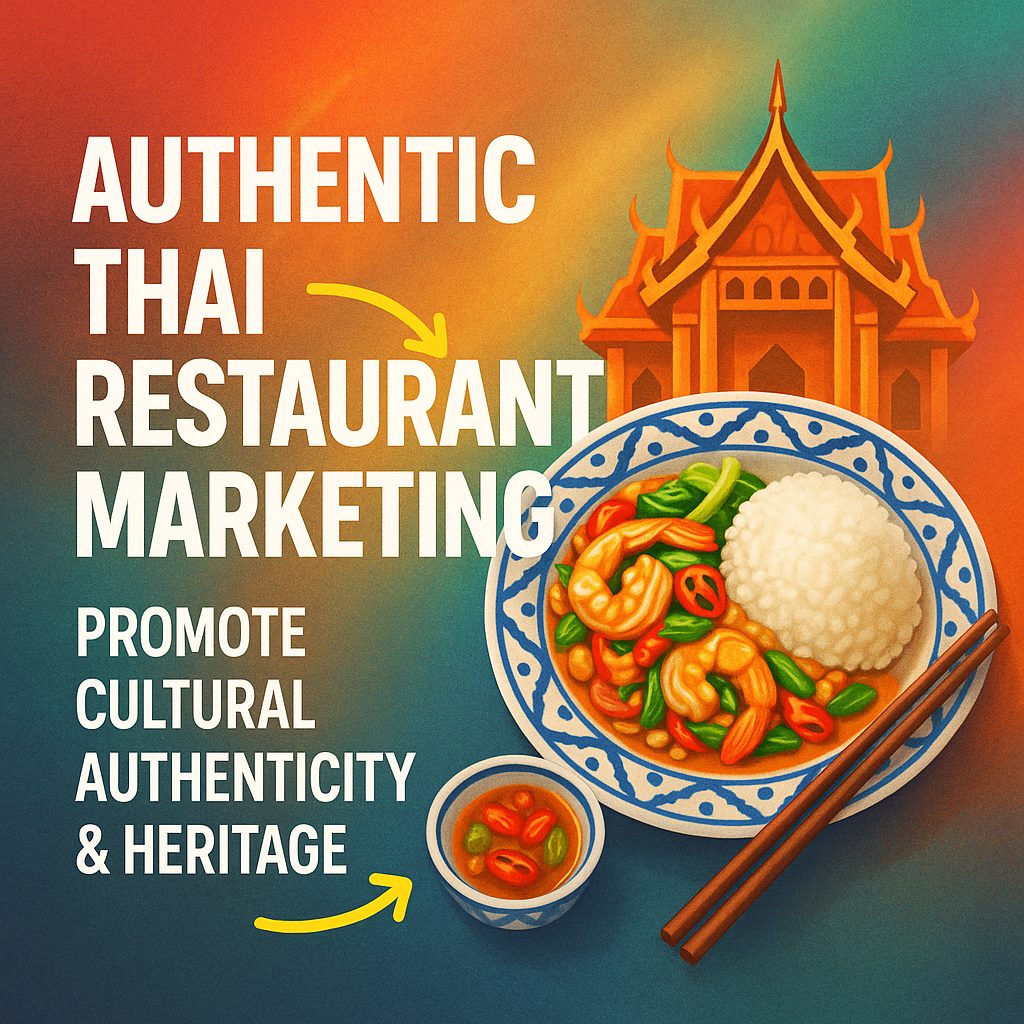
To maintain a competitive edge, Thai restaurants have embraced innovative marketing strategies, engaging customers not only through palate-pleasing dishes but by telling stories. Restaurant owners focus on sharing the origins of their recipes, highlighting the unique cultural aspects of Thai food, and often incorporating visual storytelling via vibrant pictures and engaging videos on social media platforms. By offering cooking classes and interactive tasting events, they invite enthusiasts to experience the complexity and passion behind Thai cuisine personally.
Moreover, by aligning with concepts like sustainability and sourcing ethical ingredients, Thai restaurateurs successfully appeal to the conscientious consumer, ensuring their messages resonate with the growing number of diners looking for ethically-aware dining experiences.
# Conclusion: A Cuisine That Connects
The evolution of Thai cuisine from street food to fine dining reflects a broader narrative of cultural connection and adaptation. The rebirth of Thai food abroad celebrates the journey of a cuisine rooted in ancient traditions, influenced by the communities that carry it worldwide. Through the tireless efforts of expat Thai chefs, the Thai diaspora, and strategic marketing, Thai cuisine will continue to captivate hearts and appetites—one delectable dish at a time.

0 Comments