
Navigating the nuances of cultural communication can be both a challenging and rewarding experience, especially for those in the expat Thai community looking to build a bridge between their traditional roots and new international environments. Whether you’re managing a Thai restaurant overseas, participating in marketing campaigns, or simply sharing your love for Thai cuisine with new friends, understanding and adapting to different cultural communication styles is essential. This guide aims to provide practical tips and insights for expat Thais to effectively communicate across cultures while preserving the essence of Thai tradition.
# Understanding Cultural Context
The first step in effective cultural communication is recognizing the context in which you are communicating. Thai culture is known for its subtle, respectful, and indirect communication style. It’s important to understand this may differ from the direct communication styles common in Western cultures. For example, in a business meeting, an American counterpart might appreciate directness and clarity, while Thai nationals often value a more nuanced approach. Being mindful of these differences can enhance mutual understanding and build stronger relationships.
# Leveraging the Power of Thai Cuisine
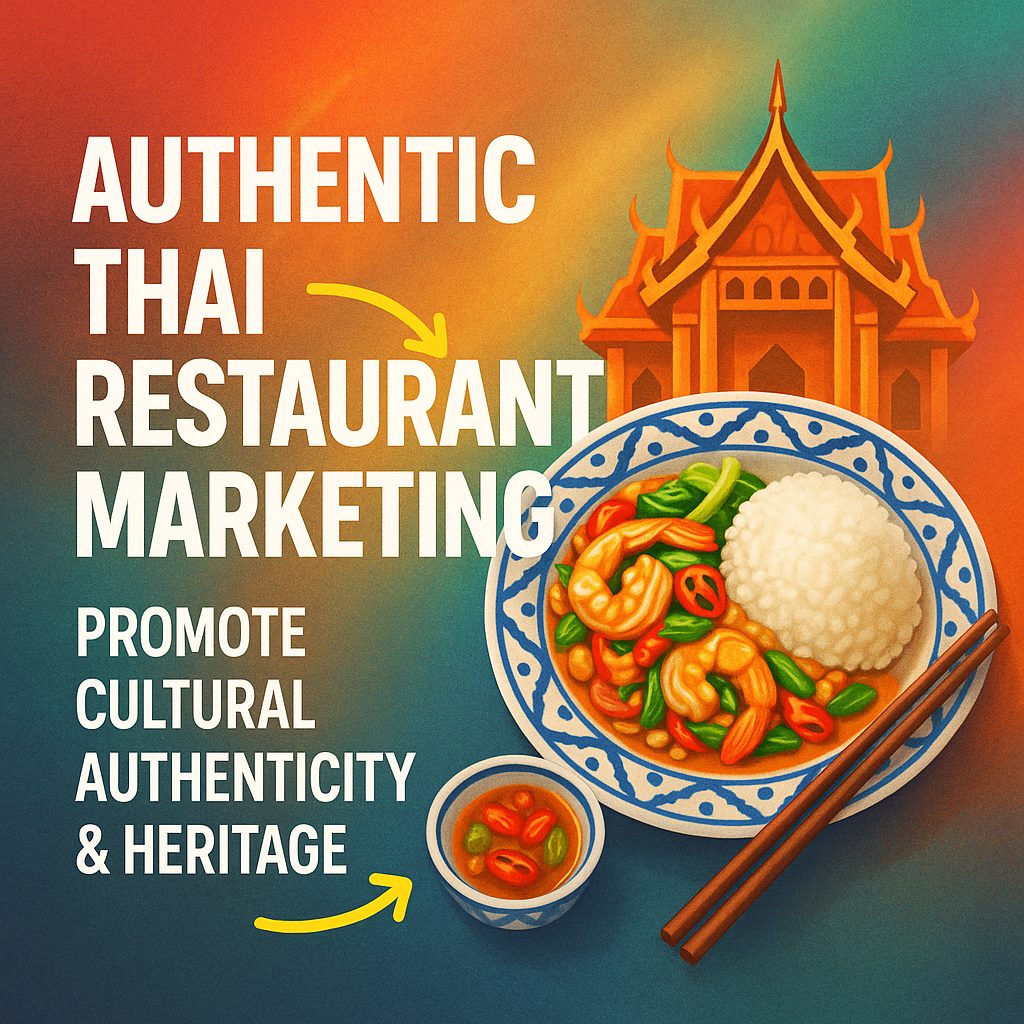
Thai cuisine is a fantastic cultural asset that transcends language barriers. In an international setting, your knowledge of Thai food can serve as a powerful communication tool. Sharing a meal or explaining the history and ingredients of popular dishes like tom yum or pad Thai can open doors to deeper cultural exchanges. When marketing Thai restaurants, highlighting the uniqueness of each dish not only attracts customers but also offers an educational glimpse into Thai culture. Emphasizing the freshness and balanced flavors of Thai cuisine can captivate a global audience and stimulate their curiosity about Thailand’s cultural heritage.
# Language Skills and Adaptation
Language can be both a barrier and a bridge in international communication. Enhancing your proficiency in the local language can significantly improve your ability to convey ideas and emotions more precisely. Investing time in learning the cultural idioms and expressions of the host country will also demonstrate respect and commitment, softening any cultural divides.
Furthermore, while English is often used as a global lingua franca, don’t underestimate the power of even a few basic phrases in the local language. This effort can make a significant impact in business settings, showing partners and clients that you value their culture and are willing to meet them halfway.
# Building Cultural Sensitivity
Cultural sensitivity is about more than just understanding; it’s about appreciating and adapting to the norms and values of others. For expat Thais, embracing humility and empathy is vital when interacting across cultures. Pay attention to non-verbal cues such as body language, gestures, and personal space, which can vary considerably between cultures. Being observant and patient can help mitigate misunderstandings and create a more inclusive environment.
# Engaging in Cross-Cultural Networking
Join networks or communities that connect people across cultures. Participate in forums or social groups, both online and offline, related to the Thai diaspora. These platforms not only provide support and advice but also present opportunities to practice cultural exchange. Sharing experiences and challenges faced in new environments can foster a sense of belonging and enhance your intercultural communication skills.
# Conclusion
As a member of the expat Thai community, mastering cultural communication in an international setting requires a blend of awareness, adaptation, and authenticity. By embracing these principles, you can successfully convey the richness of Thai culture, whether through delicious cuisine, engaging in thoughtful dialogue, or pulling off masterful marketing strategies. Embrace the adventure of cultural exchange, and you’ll find it leads to rewarding personal and professional relationships.

0 Comments