
In the vibrant world of international cuisine, few dishes have achieved the level of global acclaim as Pad Thai. This quintessential Thai dish has transcended borders, weaving its influence through the diverse tapestry of global gastronomy. But how did Pad Thai, with its humble beginnings, captivate taste buds everywhere? The answer lies in a combination of cultural diaspora, strategic culinary marketing, and an innate appeal that resonates with food lovers worldwide.
Pad Thai’s journey to international fame began with the movement of the Thai diaspora. As Thai communities planted roots around the world, they brought along their rich culinary heritage, sharing traditional recipes and flavors with their new locales. Thai cuisine, known for its harmonious balance of sweet, sour, salty, and spicy, offers a sensorial experience that few can resist. Among the array of mouth-watering dishes, Pad Thai stands out with its unique combination of stir-fried rice noodles, succulent shrimp or chicken, crunchy peanuts, zesty lime, and fresh herbs. This has made it a staple in Thai restaurants and homes alike, from Bangkok to New York.
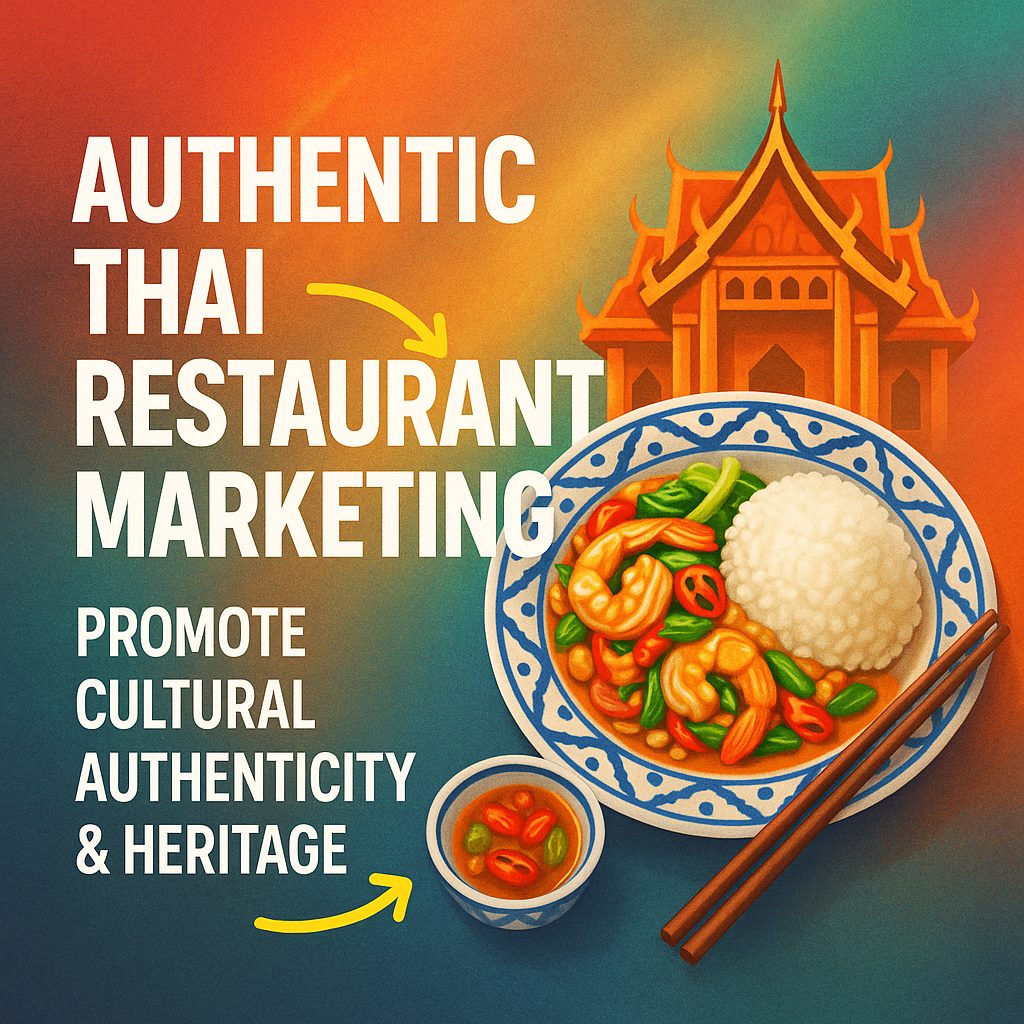
The global appeal of Pad Thai can also be attributed to the influence of Thai expatriates who introduced it as a symbol of their culture’s warmth and hospitality. As they opened Thai restaurants in foreign lands, they utilized strategic marketing techniques to draw in the curious and the food enthusiasts. From offering cooking classes to hosting food festivals featuring traditional Thai music and dance, these entrepreneurs have not only marketed their food but have also introduced their rich cultural heritage to the world. Their efforts have been crucial in establishing Thai cuisine as a beloved choice in urban centers, subsequently making Pad Thai a household name.
The evolution of Pad Thai in the international scene is as dynamic as its flavors. As chefs and home cooks experiment with this dish, variations like vegan Pad Thai or fusion interpretations continue to expand its reach, catering to modern dietary preferences while maintaining its authenticity. This adaptability has undoubtedly contributed to its sustained popularity across generations and cultures.
Moreover, social media platforms have played a pivotal role in Pad Thai’s continuing legacy. Influencers and food bloggers take advantage of visually appealing dishes to share their dining experiences and cooking tips. This digital word of mouth not only fuels cravings but also familiarizes far-flung audiences with Thai culinary traditions. In this digital age, a single Instagram post or YouTube tutorial can spark a newfound curiosity and drive patrons to explore their neighborhood Thai restaurants or even attempt to recreate the dish at home.
In recent years, the discourse around sustainable and healthy eating has put Pad Thai into an even brighter spotlight. With its array of fresh ingredients and customizable nature, it appeals to those seeking nutritious meal options without sacrificing taste. This aligns well with current trends and further solidifies its place in global cuisine.
In conclusion, the phenomenal success of Pad Thai on the international stage is a testament to the power of culinary diplomacy and the strategic efforts of the Thai diaspora. It’s a fascinating example of how a simple, traditional dish can capture the hearts of millions by transcending cultural and geographical borders. As Thai communities continue to grow globally, so too will their culinary influence, ensuring that Pad Thai will remain a steadfast favorite on the world’s dining tables.

0 Comments